AI-Generated Music: The Future of Digital Soundscapes
10 July 2026
The world of music is undergoing a massive transformation, thanks to artificial intelligence (AI). From composing symphonies to generating beats for pop songs, AI-generated music is reshaping the way we create, listen to, and even interact with sound. But what does this mean for musicians, the industry, and listeners alike?
Let's dive into the fascinating world of AI in music and uncover how it’s changing the sonic landscape forever. 
? What Is AI-Generated Music?
AI-generated music refers to soundtracks, compositions, and melodies created using artificial intelligence. By analyzing vast amounts of data, machine learning algorithms detect patterns and structures in existing music to generate new pieces.Unlike traditional music-making, which relies on human emotion and creativity, AI compositions emerge from a mix of complex calculations, probability models, and deep learning. The results? Surprisingly catchy tunes that mimic human-made music—sometimes too well! 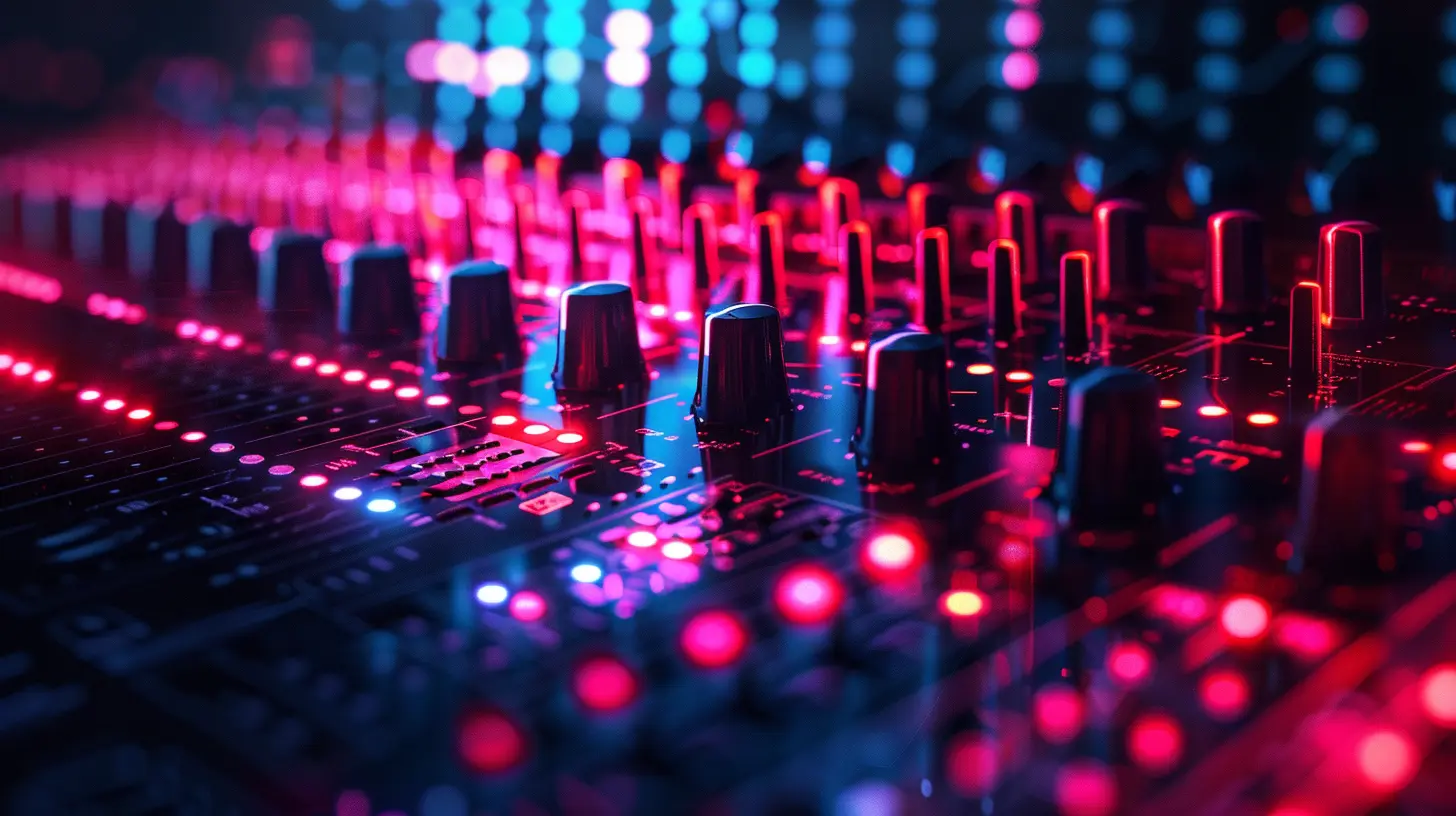
? How AI Composes Music
AI music generation doesn’t happen by accident. It’s the product of sophisticated algorithms trained on countless songs across genres. But how does it actually work?1. Data Collection and Analysis
AI models are fed thousands—sometimes millions—of musical pieces. It learns patterns, chord progressions, and structures, helping it understand how music "works."2. Pattern Recognition and Learning
Using deep learning, AI identifies common sequences and progressions. This is where it begins to recognize what makes a song catchy, emotional, or rhythmically engaging.3. Composition and Generation
By applying what it has learned, AI generates entirely new music—sometimes improvising based on predefined rules or even collaborating with human musicians.
? Popular AI Music Tools and Platforms
AI-driven music generation is no longer a futuristic dream—it’s already happening. There are various platforms successfully creating AI-generated tracks.1. OpenAI's MuseNet
MuseNet can generate music in different styles, from classical symphonies to modern EDM beats. It’s trained on a massive dataset, allowing it to create seamless compositions.2. AIVA (Artificial Intelligence Virtual Artist)
Designed for composers, AIVA creates emotional compositions used in film scoring and commercial music. It’s been particularly useful in video game soundtracks.3. Amper Music
A user-friendly platform that allows musicians to create AI-powered compositions by selecting genres, instruments, and desired moods.4. Google’s Magenta
An open-source project exploring AI-driven music and art generation, Magenta is helping AI become more creative and interactive.These platforms are making AI-created music more accessible than ever, allowing even non-musicians to compose tracks effortlessly. 
? The Benefits of AI-Generated Music
AI-generated music isn’t just a novelty—it brings legitimate advantages to the music industry and beyond.1. Speed and Efficiency
AI can compose entire albums in minutes. Compared to traditional songwriting, which can take weeks or months, AI significantly speeds up production timelines.2. Cost Savings
Hiring musicians, studios, and producers can be expensive. AI-generated music eliminates many of these costs, offering an affordable alternative for content creators.3. Unlimited Creativity
AI isn’t bound by human limitations. It can experiment with unique scales, rhythms, and harmonies that might never occur to a human composer.4. Personalized Music Creation
Imagine a soundtrack that adjusts to your mood in real time. AI can generate personalized playlists, background scores, or even custom lullabies.5. Enhancing Human Creativity
Rather than replacing musicians, AI can become a creative partner, helping artists break creative blocks or generate fresh ideas.? Will AI Replace Human Musicians?
This is probably the biggest concern among artists today. With machines composing music, does that mean human musicians are becoming obsolete?Not exactly. While AI can generate impressive music, it lacks emotional depth. Music isn't just about patterns—it’s about storytelling, cultural influences, and human experiences. AI compositions, for now, remain formulaic and predictable.
Instead, AI is more of a tool than a replacement. Just like drum machines didn’t eliminate drummers, AI music software is here to assist, not overshadow, human creativity.
?️ The Ethical and Legal Challenges
Despite its potential, AI-generated music comes with its fair share of challenges.1. Copyright and Ownership Issues
Who owns AI-created music? The developer? The AI itself? The user? Current copyright laws are still catching up with these questions, creating a legal gray area.2. The Decline of Musical Authenticity
With AI composing songs in a fraction of the time, there’s a risk of music becoming generic or losing its emotional depth.3. Job Displacement in the Industry
As AI takes over composition and background music creation, will human composers and session musicians lose opportunities?4. Ethical Concerns About AI Learning
Some argue that training AI on existing music without permission is a form of digital plagiarism. Should AI-generated music be regulated to ensure fairness to original artists?These challenges highlight the need for discussions about ethical music creation in the AI era.
? AI in Various Industries
AI-generated music isn’t just for casual listening—it’s making waves across multiple industries.1. Film and TV Scores
Background scores can now be generated in minutes, allowing production companies to save time and money.2. Video Games
AI music adapts in real time to enhance gaming experiences, adjusting tempo and mood based on gameplay.3. Advertising and Marketing
Brands use AI music for ads and campaigns, ensuring a unique yet cost-effective soundtrack.4. Meditation and Wellness
AI generates calming, stress-relieving music that adapts to user preferences for a personalized relaxation experience.AI-driven music is proving to be a game-changer across multiple fields, simplifying sound design while delivering high-quality results.
? The Future of AI in Music
So, where do we go from here? AI-generated music is only getting better. Developments in deep learning and neural networks are making compositions more sophisticated, even emotionally resonant.In the future, we might witness:
✅ Hyper-personalized AI music based on brainwave activity
✅ Live AI performances that collaborate with human musicians in real time
✅ AI-generated pop hits topping the charts
✅ More legal structures to regulate AI-created compositions
AI music is here to stay, but rather than replacing traditional music, it’s expanding its horizons. The future looks like a collaboration between human artistry and machine intelligence, creating soundscapes beyond our imagination.
? Final Thoughts
AI-generated music is undeniably shaking up the music industry. While it raises concerns about authenticity, originality, and ownership, it also offers incredible opportunities for creativity, accessibility, and efficiency.But one thing’s for sure—music will always need the human touch. AI may compose, but it can’t feel. That connection between artist and listener? That’s something a machine will never fully replicate.
So, will AI take over music? Probably not. But will it change the way we create and experience sound? Absolutely. The future of digital soundscapes is here, and it sounds incredible.
all images in this post were generated using AI tools
Category:
Tech InnovationsAuthor:

Adeline Taylor
Discussion
rate this article
1 comments
Emery Roth
AI-generated music is transforming how we create and experience sound. While it offers exciting possibilities for innovation and accessibility, it raises questions about creativity and authenticity. Striking a balance between technology and artistic expression will be key as we explore this evolving landscape.
July 11, 2026 at 3:14 AM
Adeline Taylor
Absolutely. AI-generated music opens up new avenues for creativity, but we must remain mindful of the human touch that gives music its soul. Balancing innovation with authenticity is essential as we navigate this new terrain.