Can Deep Learning Predict Human Behavior Accurately by 2027?
7 May 2026
Let me ask you something: have you ever felt like Netflix knows you better than your best friend? You sit down, scroll for two seconds, and bam-there it is, the exact movie you didn't know you wanted to watch. That's deep learning in action, but it's also a tiny, almost trivial slice of what we're really asking here. Can deep learning predict human behavior accurately by 2027? Not just what you'll watch tonight, but what you'll do tomorrow, next week, or when you're faced with a moral dilemma. That's a whole different beast.
We're talking about the difference between guessing your pizza topping and predicting whether you'll actually order pizza when you're sad, angry, or celebrating a promotion. It's messy, it's human, and it might be the most ambitious goal in AI right now.
The Uncomfortable Truth About Prediction
Here's the thing about predicting human behavior: we're not great at it ourselves. Think about the last time you swore you'd hit the gym at 6 AM. Did you? Probably not. We lie to ourselves constantly. We change our minds on a whim. We're influenced by weather, a bad song on the radio, or a random memory from 2007. So if we can't predict our own next move, why should a machine do any better?Deep learning doesn't care about your excuses, though. It crunches numbers, finds patterns, and spits out probabilities. The question is whether those probabilities will ever be good enough to call "accurate." By 2027? That's only a couple of years away. We're not talking about some sci-fi future with flying cars. We're talking about next Tuesday.
How Deep Learning Reads You Like a Book (Almost)
Deep learning models today are already scarily good at certain things. They track your clicks, your scrolls, your pauses. They know how long you stared at that pair of sneakers before closing the tab. They know you searched for "symptoms of burnout" at 2 AM. These models don't think like you, but they don't have to. They just need to find statistical fingerprints.Take recommendation algorithms. YouTube's deep learning models predict what you'll watch next with about 80% accuracy in some controlled tests. That's not perfect, but it's better than your partner guessing what you want for dinner. The trick is that these models are trained on millions of people, not just you. They find the common threads-people who watched this also watched that. It's crowd psychology, not individual mind reading.
But here's where it gets tricky. Human behavior isn't just about patterns. It's about context. You might usually buy coffee at 8 AM, but today you overslept, your car broke down, and you're in a terrible mood. Suddenly, you skip coffee and go straight for a donut. Deep learning can't see your broken car or your bad mood unless you type it into a search bar. That's the blind spot.
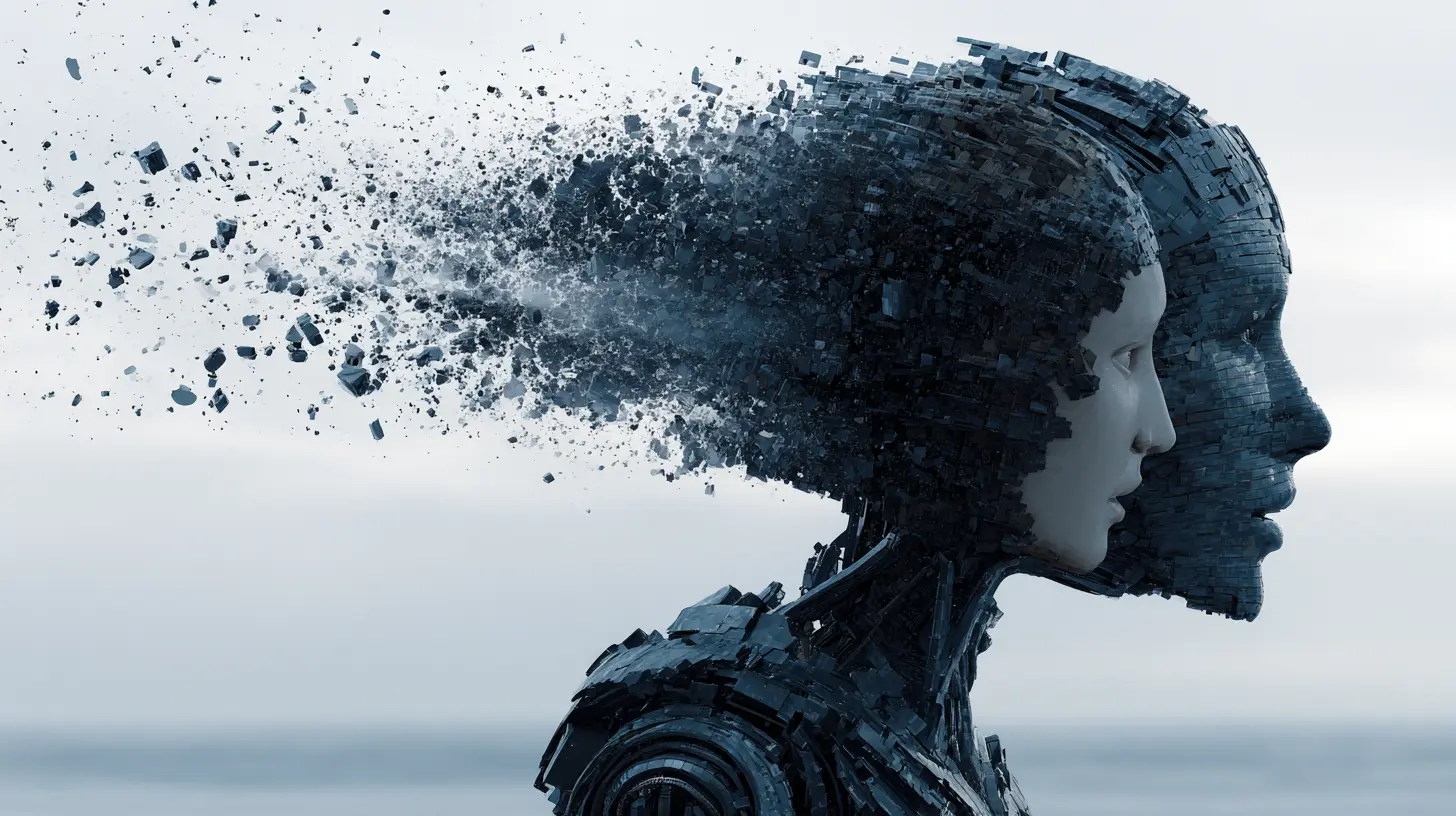
The 2027 Reality Check: What's Actually Possible
Let's get real about the timeline. 2027 is close. We're not going to have a magic box that tells you exactly what your boss will say in the next meeting. But we will see huge leaps in specific, narrow predictions. Think about these areas:- Financial decisions: Deep learning models will likely predict your spending habits with high accuracy, especially if they have access to your transaction history. Banks already use this for fraud detection. By 2027, expect them to know when you're about to make a risky purchase before you do.
- Health behaviors: Wearables like smartwatches are feeding deep learning models data on your heart rate, sleep, and activity. These models can already predict when you're likely to skip a workout or have an anxiety spike. By 2027, they might predict mental health episodes days in advance.
- Social media engagement: This is the low-hanging fruit. Platforms already know what content will make you angry, happy, or likely to share. By 2027, they'll probably predict your emotional reactions before you even see the post. Scary? Maybe. Accurate? Almost certainly.
But here's the catch: accuracy drops fast when you try to predict complex, multi-step behaviors. Will you quit your job? Will you get married? Will you move to another country? Those decisions involve dozens of variables, many of which are invisible to any algorithm. Deep learning can guess, but it won't be reliable for life-altering choices by 2027.
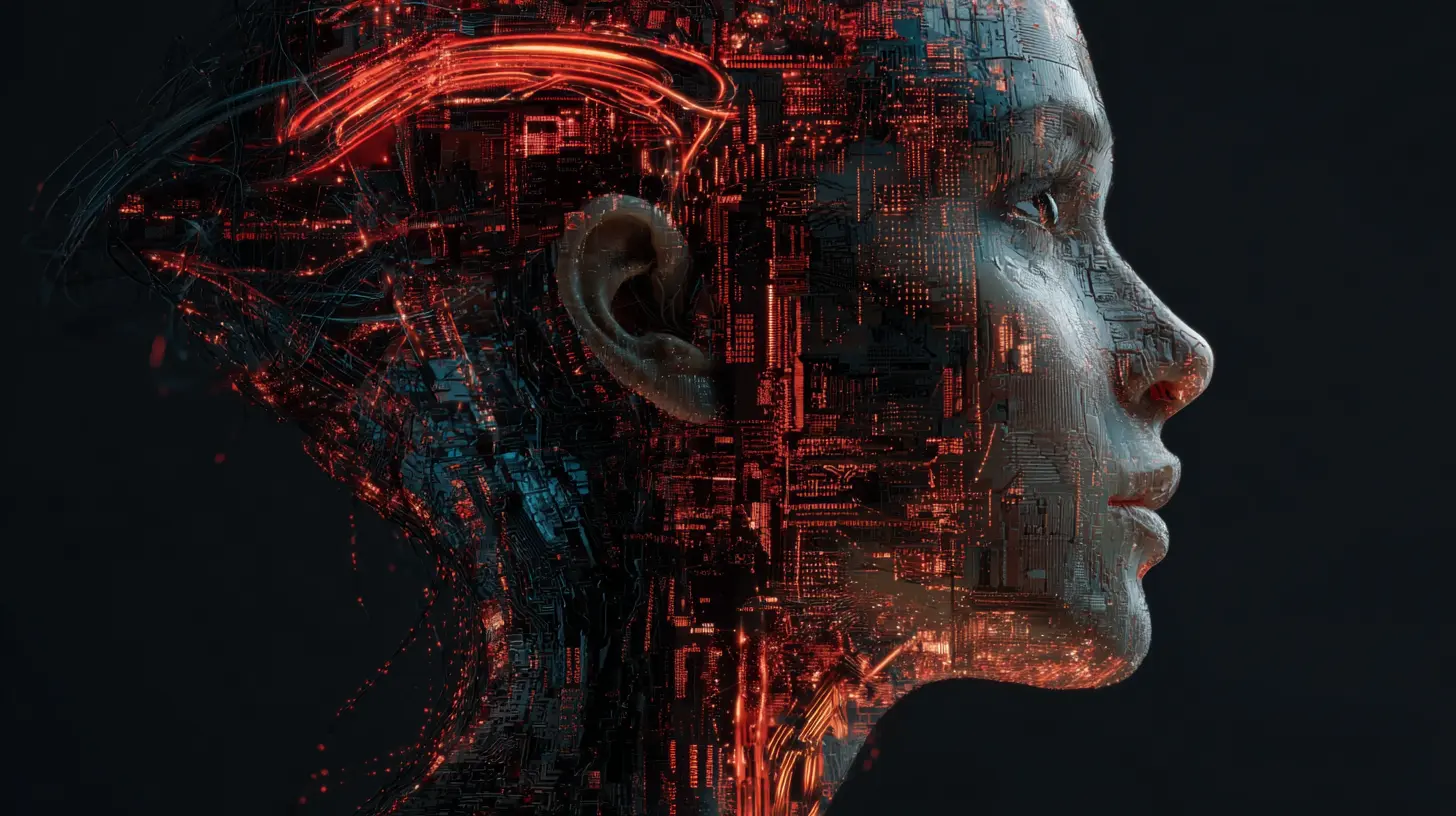
The Data Problem Nobody Wants to Admit
Deep learning is hungry. It needs massive amounts of data to make good predictions. And human behavior data is messy, sparse, and often private. You don't record every thought you have. You don't log every emotion. Even your phone only captures a fraction of your life.By 2027, we'll have more data than ever, but it's mostly surface-level. Clicks, likes, purchases, locations. That's like trying to predict the plot of a movie by looking at the poster. You'll get the genre right sometimes, but you'll miss the twist ending.
There's also the problem of data bias. Most deep learning models are trained on people who use technology heavily. That skews predictions toward younger, wealthier, more urban populations. If you're trying to predict behavior for a rural farmer in India or an elderly person in Japan, the model will be way off. By 2027, we might fix some of that bias, but not all. Human behavior is too diverse for a one-size-fits-all model.
The Butterfly Effect of Human Choice
Remember chaos theory? A butterfly flaps its wings in Brazil, and it causes a tornado in Texas. Human behavior is the same way. A tiny, random event can completely change what someone does. You see a stranger smile at you on the street, and suddenly you're in a good mood. You buy a lottery ticket on a whim and win. You stub your toe and decide to quit your job.Deep learning models are terrible at predicting these random, low-probability events. They work best with averages and trends. They can tell you that most people in your demographic will respond to a certain ad. They can't tell you that you specifically will have a panic attack because you saw a spider in your bathroom. That's just not in the data.
By 2027, models will get better at handling uncertainty. They'll use probabilistic outputs instead of binary yes/no answers. Instead of saying "you will buy this product," they'll say "there's a 73% chance you'll buy this product based on your history." That's more honest, but it's still not the crystal ball people imagine.
The Ethics of Knowing Too Much
Let's talk about the elephant in the room. Even if deep learning could predict human behavior accurately by 2027, should we let it? Imagine a world where insurance companies know you're about to have a health crisis. Or employers know you're likely to quit. Or governments know you're going to protest.That's not prediction. That's surveillance with a fancy name.
The accuracy of these models creates a dangerous feedback loop. If a model predicts you'll do something, and a company acts on that prediction, it might actually cause the behavior. You get targeted ads for weight loss products because the model thinks you'll gain weight. Those ads make you insecure, so you actually do gain weight. The model was "right," but only because it created the outcome.
By 2027, we'll have to grapple with this. Accurate prediction is powerful, but it's also a weapon. The tech industry loves to talk about "personalization" and "insights," but those are just euphemisms for control. If deep learning can predict your behavior, it can also manipulate it. That's a line we're already crossing, and it's not going to get easier.
Where Deep Learning Will Shine (and Where It Won't)
Let me break it down for you. By 2027, here's what I think we'll see:High Accuracy (80-90%):
- What product you'll buy next on Amazon
- Which news article you'll click
- Whether you'll cancel your subscription
- When you'll go to sleep based on your phone usage
Medium Accuracy (60-80%):
- Whether you'll vote in an election
- Which career path you'll choose
- If you'll stay in a relationship
- Your likelihood of moving to a new city
Low Accuracy (Below 60%):
- Whether you'll commit a crime
- If you'll have a sudden change in beliefs
- Your reaction to a completely novel situation
- Whether you'll break a habit
The models get worse as the behavior becomes more abstract or less frequent. That's just math. Deep learning needs repetition to find patterns. Rare events are statistically noisy. And human beings are full of rare events.
The Human Element Deep Learning Can't Touch
Here's what I keep coming back to: deep learning doesn't understand meaning. It understands correlation. It knows that people who search for "how to tie a tie" often also search for "job interview tips." But it doesn't know why you're nervous about the interview. It doesn't know your dad taught you to tie a tie when you were twelve, and now you're doing it alone for the first time. That story matters. It changes the behavior.Humans are narrative creatures. We act based on stories we tell ourselves. Deep learning can't read those stories unless we write them down. And most of us don't. We're too busy living.
By 2027, I suspect the most accurate predictions will come from hybrid systems. Deep learning handles the pattern recognition, but human experts interpret the context. A therapist might use an AI model to flag when a patient is at risk for depression, but the therapist still talks to the patient to understand why. That's the sweet spot.
So, Can Deep Learning Predict Human Behavior Accurately by 2027?
The short answer is: it depends on what you mean by "accurately." If you mean "better than random chance, often good enough for marketing," then yes, absolutely. We're already there in many cases. If you mean "reliably predict any individual's actions in any situation," then no, not even close.Think of it like weather forecasting. We can tell you there's a 70% chance of rain tomorrow. We can't tell you exactly when the first drop will hit your window. Deep learning for human behavior is the same. It's getting better at probabilities, but it's never going to be perfect. And that's okay. Imperfect prediction is still useful.
By 2027, the models will be smarter, the data will be bigger, and the predictions will be sharper. But humans will still be unpredictable. We'll still make irrational choices, fall in love with the wrong people, and change our minds for no good reason. That's not a bug in the system. That's the whole point of being human.
So the next time someone tells you AI will predict your every move by 2027, smile and nod. Then go do something completely random. Just to keep them guessing.
all images in this post were generated using AI tools
Category:
Deep LearningAuthor:

Adeline Taylor
Discussion
rate this article
2 comments
Oren Gates
By 2027, I bet deep learning will not only predict our behavior but also suggest what we're craving for dinner. Just imagine AI knowing your mood better than your best friend. We might end up having a robot on speed dial for relationship advice and snack suggestions. What a wild ride ahead!
June 4, 2026 at 2:57 AM
Adeline Taylor
That's a fun thought! If AI can tune into our moods like that, it could definitely change how we relate to tech and each other. Exciting times ahead!
Emily Sharp
This article highlights an exciting frontier in tech. The potential of deep learning to understand human behavior is promising. I look forward to seeing how this evolves in the coming years!
May 10, 2026 at 5:02 AM
Adeline Taylor
Thanks for your thoughts! It's an exciting time for deep learning, and I share your curiosity about its future impact on understanding human behavior.