Demystifying Neural Networks for the Non-Technical Reader
17 May 2026
Let’s be honest—neural networks sound like something out of a science fiction movie, right? They make us think of supercomputers, robots taking over the world, or those brainy data scientists who speak in what sounds like another language. But here’s the thing: neural networks aren’t as scary or mysterious as they seem. In fact, chances are, you interact with them every day without even realizing it. Yep, that email spam filter, your Netflix recommendations, even your phone’s facial recognition—all powered by neural networks.
In this guide, we’re going to peel back the layers (like an onion, not like a programming book!) and walk through what neural networks are in plain English. No complicated math, no jargon. Just a friendly conversation about one of the most powerful tools in modern tech.
What Even Is a Neural Network?
Let’s keep it simple. A neural network is a system made to mimic the way our brains process information. Think of it as a digital brain, just way less complex.Imagine a bunch of little dots (called "neurons") connected to each other in layers. Each dot takes in info, processes it, passes it along, and then collectively they decide something—like whether that picture is of a cat or a dog, or what ad to show you next.
Still feeling fuzzy? No worries—we're going to slow it down and break it down.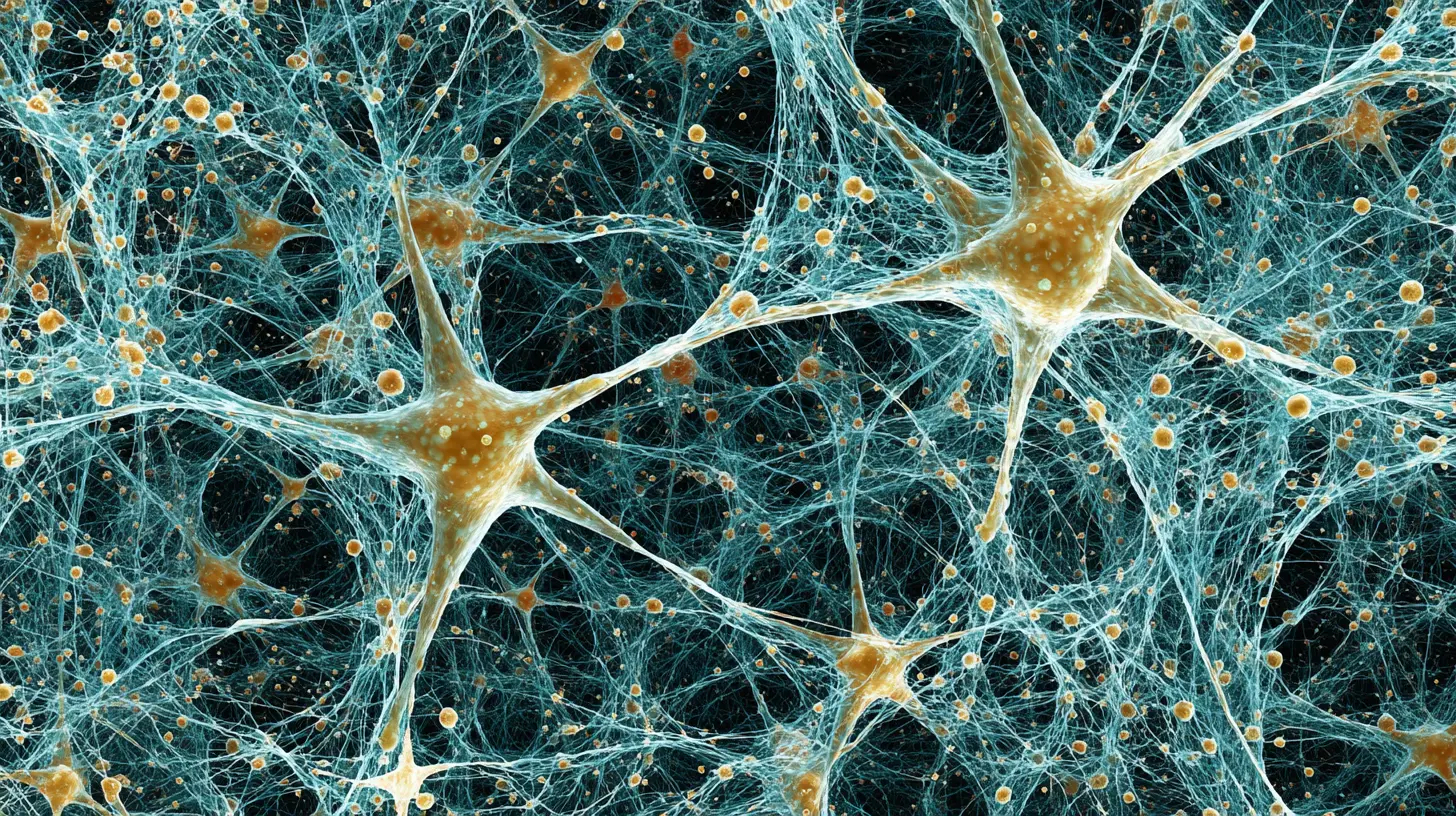
Why Do They Call It a “Neural” Network?
Great question. The name comes from the biological neurons in your brain. When you touch something hot, your nerves fire a signal up to your brain, which then tells your hand to move. Similarly, in a neural network, artificial neurons pass information until a decision is made.It’s not an exact replica of how your brain works (thankfully!), but it’s inspired by the same idea: data input → processing → output decision.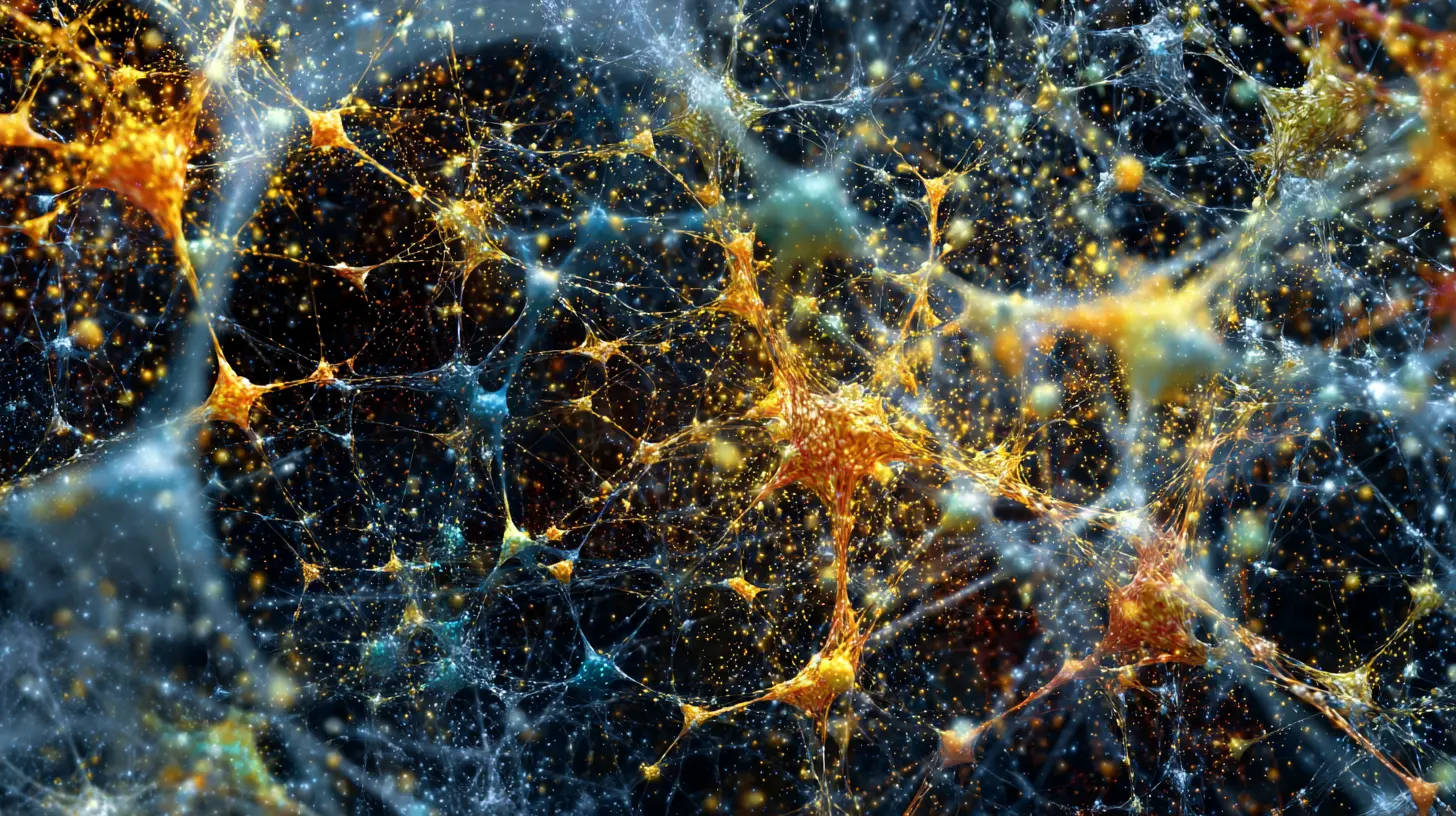
The Building Blocks: Layers and Neurons
Let’s dive a little deeper—don’t worry, we’ll keep it light.1. Input Layer
This is where the action starts. Think of it like your senses. When you see a photo, your eyes send messages to your brain. The input layer does the same—it takes in numbers (data) like pixels in an image or words in a sentence.2. Hidden Layers
This is the magical middle. These layers aren’t seen directly, but they do the heavy lifting. More hidden layers mean the network can learn more complex things. Each neuron in these layers gets data from the previous layer, does some math (simple stuff like multiply and add), and sends the info forward.It’s sort of like a group of friends passing along a rumor. Each one hears something, adds their own spin, and tells the next person. By the time it gets to the end, it’s a well-processed piece of info.
3. Output Layer
This is where the network gives its best guess. For example, if you feed it a picture of a cat, the output layer might say, "I'm 92% sure this is a cat." It's not always perfect, but it’s insanely good at improving itself over time.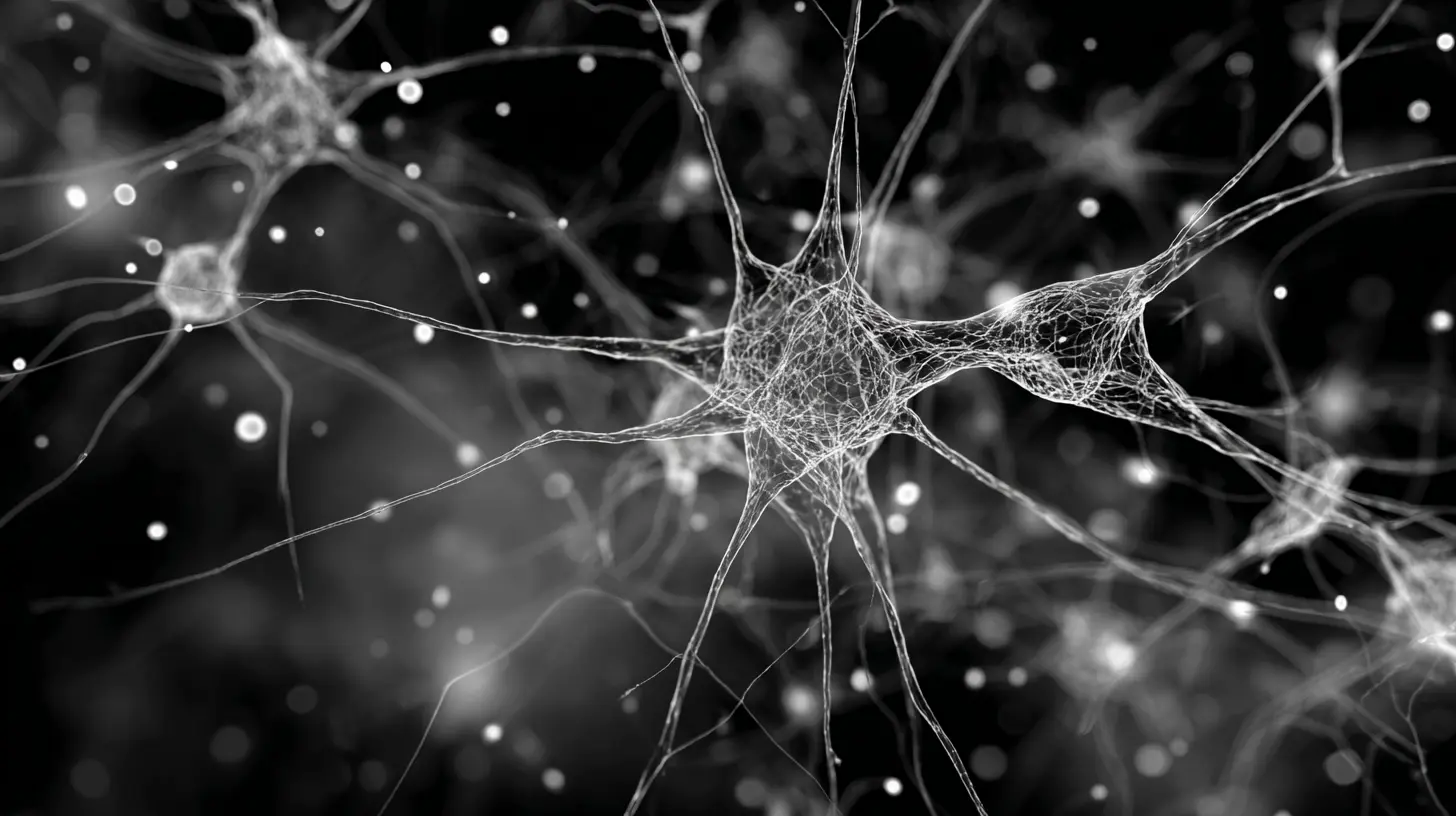
Training a Neural Network: Like Teaching a Child
Training a neural network is a bit like teaching a toddler. You show them tons of examples—pictures of cats and dogs, for instance. At first, they’ll guess wrong a lot. But with feedback (like saying, “Nope, that’s a dog”), they learn. Over time, they get better and make fewer mistakes.This learning process is powered by something called backpropagation (sounds fancy, right?), but in plain terms, it just means the network adjusts itself when it gets something wrong. Kind of like how we learn from our mistakes.
Aren’t Neural Networks Just Algorithms?
Technically, yes. A neural network is a type of algorithm, but it’s a special kind. Most basic algorithms follow a set of clear rules: If A, do B. Neural networks, on the other hand, learn from data. They don’t need everything spelled out step by step—they figure it out on their own as long as you feed them enough info.Real-Life Examples of Neural Networks (That You’ve Probably Used Today)
Have you interacted with a neural network today? You bet. Here are just a few examples you might not have thought about:- Voice Assistants – Siri, Alexa, and Google Assistant use neural networks to understand what you’re saying.
- Spam Filters – Ever wondered how Gmail filters out junk? Neural networks.
- Social Media Feeds – What shows up on your Instagram or Facebook feed? That’s not random—it’s guessed by a neural network based on your behavior.
- Streaming Recommendations – Netflix knows you too well? Thank neural networks.
- Self-Driving Cars – These vehicles use neural networks to recognize pedestrians, stop signs, and other cars.
Pretty wild, right?
Common Myths About Neural Networks
Let’s clear up a few misunderstandings:Myth 1: “They Think Like Humans”
Not quite. Neural networks don’t “think” or understand context like we do. They’re great at pattern recognition, but they don’t have emotions or consciousness. (So no, SkyNet is not real… yet.)Myth 2: “They’re Infallible”
Far from it. Neural networks can make weird mistakes, especially if the data they were trained on wasn’t very good. Biases in data can lead to biased decisions. This is something experts are actively working on.Myth 3: “Only Experts Can Use Them”
Not anymore. Thanks to user-friendly platforms and pre-built models, you can actually play around with neural networks without writing a single line of code. Think of it as using a microwave—you don’t need to know how it works inside to cook a meal.Neural Networks vs. Traditional Programming
Here's a fun analogy: Think of traditional programming like baking from a strict recipe. You follow each step exactly. In contrast, neural networks are like learning to cook by tasting and adjusting. You experiment, learn from feedback, and eventually bake the perfect cake—even if you never had the recipe.So Why Are Neural Networks So Hot Right Now?
Because they solve problems that traditional programming can’t handle well. Like:- Recognizing faces (despite lighting, angles, and expressions)
- Understanding human speech (with all our quirks)
- Translating languages (slang and all)
They also get better with experience. The more data they see, the smarter they get. It’s like having a brain that improves every day with every decision.
Should You Be Worried About Neural Networks?
Let’s address the elephant in the room: are neural networks taking over jobs? Will AI replace us?Short answer: not entirely.
Sure, they’re changing industries, automating boring or repetitive tasks. But they also create new opportunities. Think of all the new jobs around AI, ethics, data labeling, model training, and more. The key is to stay curious and adaptable. Even a basic understanding—like the one you’re getting right now—puts you ahead of the curve.
Can You Build One Yourself?
Absolutely! There are beginner-friendly tools like:- Teachable Machine (by Google) – Make your own machine learning model with a few clicks.
- RunwayML – Drag-and-drop interface for creatives to use AI tools.
- TensorFlow Playground – A fun way to visually see how neural networks learn.
You don’t need to be a coder, just a curious mind.
Final Thoughts: Neural Networks Aren’t Magic—They’re Just Tech
At the end of the day, neural networks are just a tool. They’re not magic, they’re not alive, and they’re definitely not out to get us. They’re built by humans to solve human problems—just in a smarter, more scalable way.If you’ve made it this far, you’ve already demystified something that most people never bother to understand. And honestly? That’s pretty cool.
So next time someone brings up AI or neural networks, you won’t have to nod along cluelessly. You’ll know—hey, I got this.
TL;DR: Quick Summary for the Curious
- Neural networks mimic the way our brains process data.- They consist of layers: input, hidden, and output.
- They learn from examples, not fixed rules.
- You experience the results of neural networks every day.
- They’re not as complicated as they sound—you can even experiment with them yourself.
all images in this post were generated using AI tools
Category:
Machine LearningAuthor:

Adeline Taylor
Discussion
rate this article
2 comments
Astrid Moses
Neural networks aren't magic; they're powerful tools reshaping industries. Instead of being intimidated, embrace the potential. Understanding the basics can unlock endless opportunities. Get curious and dive in-innovation waits for no one.
July 3, 2026 at 12:28 PM
Adeline Taylor
Absolutely! Neural networks are indeed transformative. By grasping the fundamentals, anyone can tap into their potential and explore new possibilities. Let's dive in together!
Thaddeus McElhinney
This article does a great job breaking down complex concepts in a way that's easy to understand. It's refreshing to see such clarity on neural networks, making them accessible to those without a technical background. Thank you for this valuable resource!
May 24, 2026 at 4:04 AM
Adeline Taylor
Thank you for your kind words! I'm glad you found it helpful and accessible.