Drones in Agriculture: Revolutionizing Farming Practices
11 May 2026
Farming might just be one of the oldest professions out there, but that doesn't mean it's stuck in the Stone Age. Thanks to technology, particularly drones, agriculture is undergoing one heck of a transformation. If you had told a farmer 20 years ago they'd be flying mini airships over their crops to check plant health or spray pesticides, they'd have laughed you out of the barn. But today? It's happening. And it's only getting better.
Let’s dive into how drones are flipping the script in agriculture and why everybody in the farming game should be paying attention.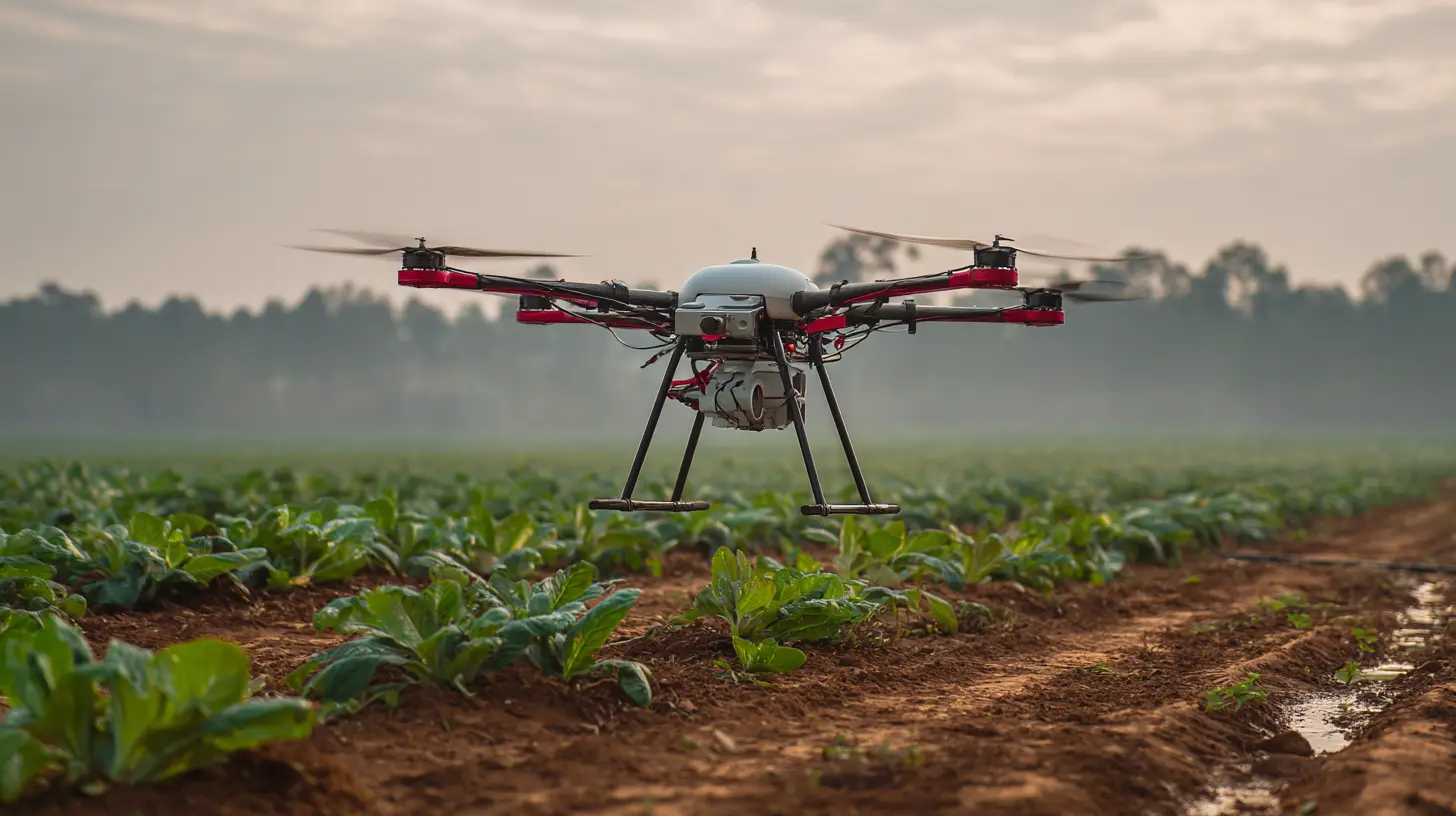
What Are Agricultural Drones, Really?
Let’s keep it simple. Agricultural drones are unmanned aerial vehicles (UAVs) that are equipped with sensors, cameras, and sometimes sprayers. Their job? To fly over farmlands and collect data or perform physical tasks like spraying pesticides or watering crops.Imagine having a set of eyes in the sky that could see things you can't from the ground—and not just see, but analyze and report back in real-time. That's what agricultural drones bring to the table.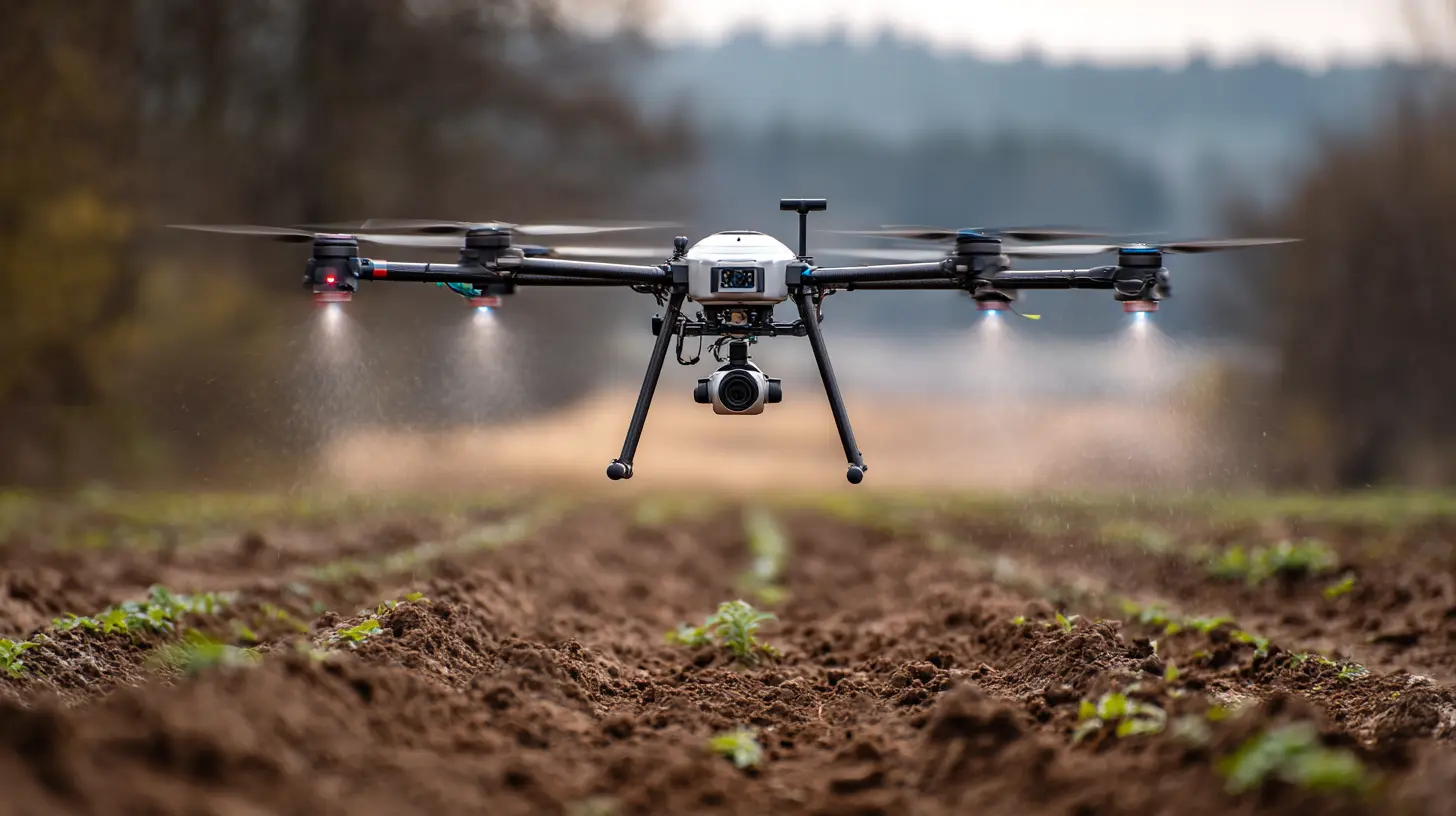
Why the Buzz Around Drones in Farming?
Here’s the deal: traditional farming methods are labor-intensive, time-consuming, and often hit-or-miss when it comes to precision. Drones offer a smarter, faster alternative.We’re talking about:
- Precision agriculture
- Time and cost efficiency
- Environmental sustainability
- Data-driven decision-making
Basically, drones help farmers work smarter, not harder.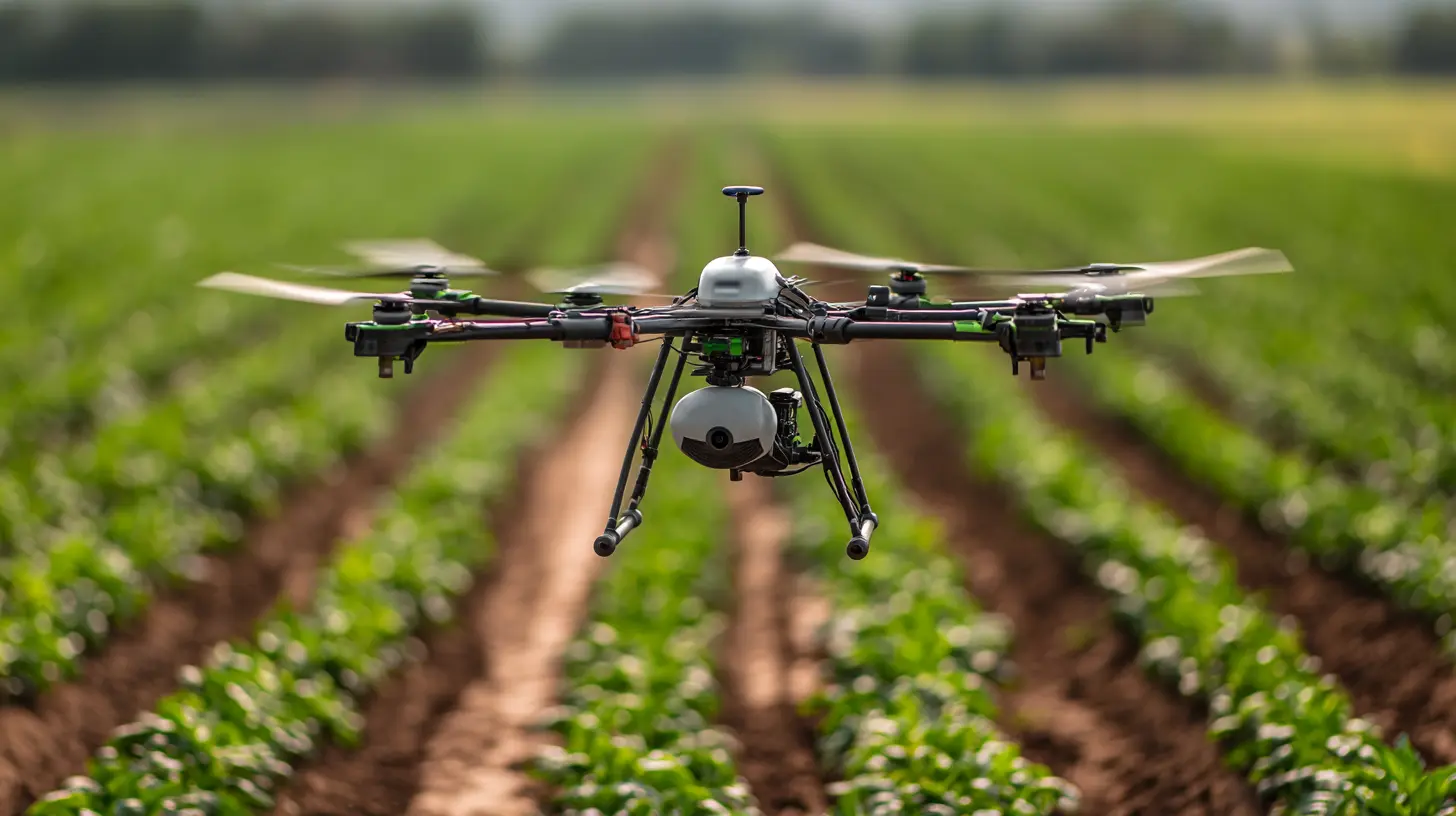
Types of Agricultural Drones
Just like you wouldn’t use a butter knife to cut down a tree, not all drones are created equal. Depending on the job, there are different types of agricultural drones farmers use:1. Mapping Drones
These come fitted with high-res cameras that take aerial photos. These pics, when stitched together, create detailed maps showing crop health, irrigation, and more.2. Spraying Drones
Yes, seriously. These drones come with tanks and nozzles that spray fertilizers or pesticides exactly where they’re needed. No more over-spraying or wasting chemicals.3. Monitoring Drones
These are like your farm's personal surveillance system. They keep an eye on everything—plant growth, pest infestations, and even soil quality.4. Seeding Drones
These high-powered drones can drop seeds directly into the soil. They’re faster and reach hard-to-access areas without needing heavy machinery.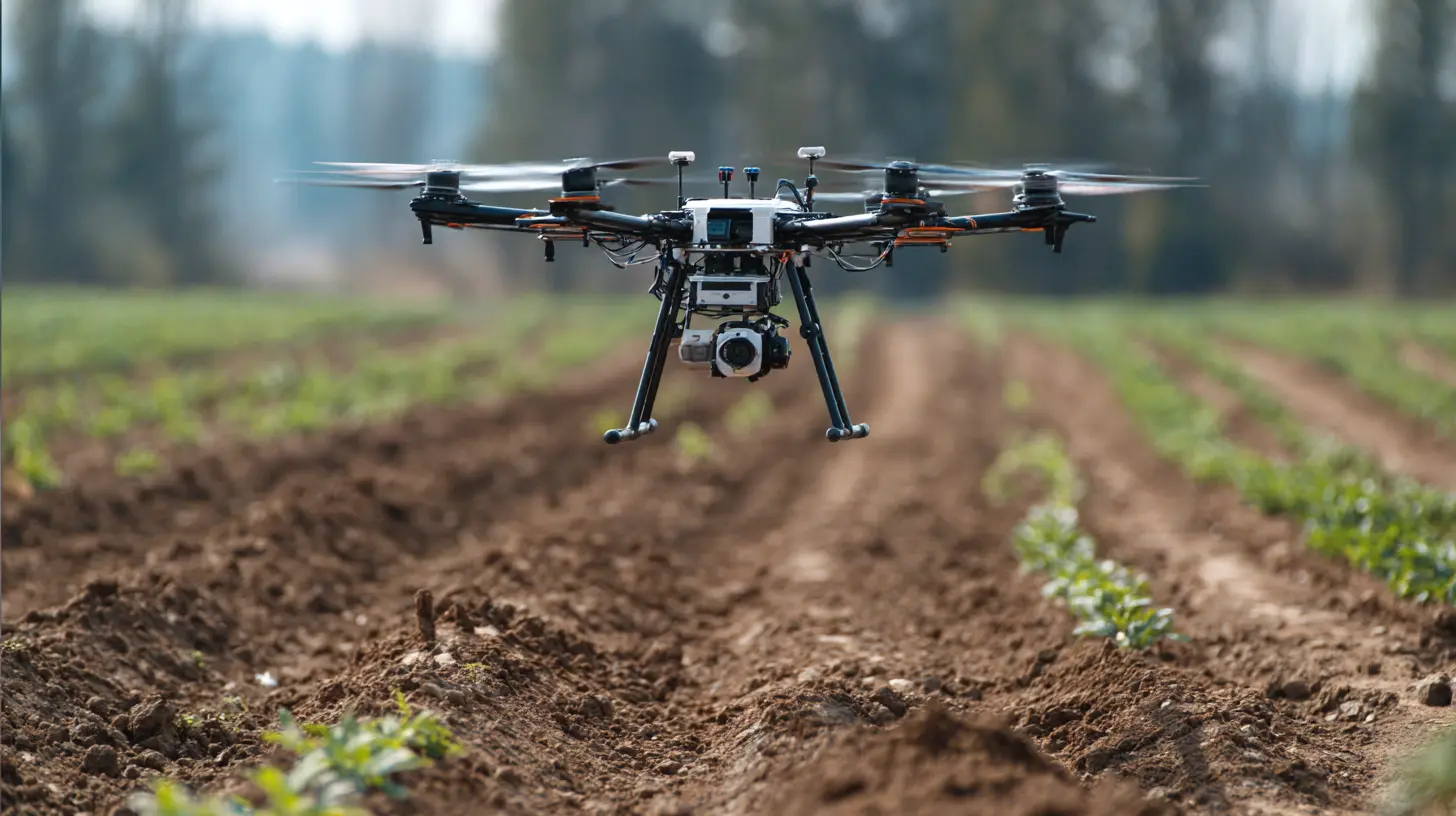
Key Benefits of Using Drones in Agriculture
1. Precision Is the Name of the Game
Precision agriculture is a fancy way of saying: “Let’s stop guessing and start knowing.” Drones gather data that help farmers pinpoint exactly where to water, fertilize, or treat. That means less waste, less cost, and better yield.2. Save Time Like a Boss
Manually checking hundreds of acres is exhausting and time-consuming. A drone can scout the land in a fraction of the time, giving farmers the info they need without breaking a sweat.3. Reduce Operational Costs
No more unnecessary spraying or watering. When you know what your crops need and where they need it, you stop wasting money on guesswork.4. Boost Yields
Better care = better crops. It’s not rocket science. Drones help farmers give their crops exactly what they need, leading to higher productivity.5. Eco-Friendly Farming
Drones support targeted farming. That means less overuse of chemicals and water. It’s a win for the crops, the farmer, and the planet.How Drones Are Changing Everyday Farming Tasks
Even small-scale farmers are seeing benefits. Here’s how drones are turning traditional farming tasks into high-tech operations.Crop Monitoring
Think of it like using Google Maps on steroids. Drones map out the field and determine which areas are thriving and which need attention. This helps farmers act fast before issues escalate.Pest and Disease Detection
Ever tried spotting a pest problem across a massive field with just your eyes? Good luck. Drones use infrared and multispectral imaging to detect these problems early—way before they’re visible to the naked eye.Irrigation Management
Who knew you could fly a drone to check your irrigation system? Turns out, they’re great at spotting leaks, dry patches, and overwatered areas. You get to adjust irrigation perfectly, saving water and boosting plant health.Planting New Crops
Seeding drones are a game-changer. They're able to plant seeds in challenging or remote areas without disturbing the soil too much. It’s efficient, cost-effective, and far easier on the environment.Livestock Tracking (Bonus!)
Yep, some drones are even used to monitor livestock. They can keep track of herd movement, check for injured animals, or alert you if one wanders off. Imagine rounding up cattle... from your smartphone.Real Farmers, Real Results
Farmers around the world aren’t just experimenting with drone tech—they’re embracing it wholeheartedly.- In India, drought-prone regions are using drones to apply fertilizers only where needed, saving resources dramatically.
- In the U.S. Midwest, large farms use drones daily for soil analysis and pest control.
- In Australia, livestock farmers are using drones to monitor vast tracts of land without hopping on a horse or ATV.
The results? Reduced labor, lower costs, higher yields, and way less environmental impact.
What About the Challenges?
Of course, like any new tech, drones aren’t perfect. Here are a few speed bumps:Cost of Entry
Getting started isn’t exactly cheap. High-end agricultural drones and their software can run thousands of dollars. But for many, the investment pays off quickly.Regulation and Licensing
Depending on where you live, flying a drone might require a special license or adherence to strict airspace rules. It's a bit of red tape, but not impossible to manage.Technical Skills
Let’s face it—if you’re not tech-savvy, there’s a small learning curve. But with time (and YouTube), most farmers catch on quickly.Data Overload
Drones collect a lot of data. If you don’t know what to do with it, it can feel overwhelming. Thankfully, there are user-friendly platforms that interpret all the drone data and make it actionable.The Future of Farm Drones
So where’s all of this headed?We’re not just looking at farmers flying drones manually anymore. The future is all about autonomous drones powered by AI. Imagine drones that fly on their own, analyze crop health in real-time, and send updates straight to your phone.
Also, expect to see:
- Swarm drones: Multiple drones flying together for tasks like large-scale spraying
- Integration with IoT devices: Drones will work alongside soil sensors and weather monitoring systems
- Blockchain for data security: Your crop data stays yours and is secure
Farming may never be the same again—and that’s a good thing.
Are Drones Worth It for Small Farms?
Absolutely. While it’s true the upfront costs might seem daunting for small farms, the return on investment often comes quickly. Even with a basic mapping drone, small-scale farmers can improve productivity, save on fertilizer, and identify problems early—long before they become expensive.Plus, there are plenty of affordable drone models and subscription-based services now targeting smallholders specifically. You don’t have to go all out from day one. Start small, see the benefits, and scale up from there.
Choosing the Right Drone: What Should You Look For?
If you're ready to dip your toes into the world of drone farming, here's what you should look at:- Camera quality – High-resolution imaging is key for accurate data
- Flight time – Longer flight time = more ground covered
- Payload capacity – Important if you’re spraying or seeding
- Software compatibility – Easy data analysis is half the battle
- Durability – Farms aren't exactly gentle environments
Talk to other farmers, read reviews, and maybe even rent one before you buy.
Final Thoughts
Farming has always been about working with nature. But what if we could work more efficiently, more precisely, and with less waste? That’s what drones bring to the table. They’re not just flying gadgets—they’re farming partners that offer insight, efficiency, and innovation in one neat package.If you're a farmer looking to up your game, investing in a drone might just be the smartest move you'll ever make. After all, why walk your fields when you can fly them?
all images in this post were generated using AI tools
Category:
DronesAuthor:

Adeline Taylor
Discussion
rate this article
2 comments
Callie McKinley
Drones are truly changing the game.
June 30, 2026 at 4:26 AM
Adeline Taylor
Absolutely! Drones are transforming how we farm, making practices more efficient and effective.
Maribel McInerney
Drones in farming? Finally, a reason for farmers to upgrade from their trusty tractor to a flying robot sidekick... let the crop battles begin!
May 14, 2026 at 3:55 AM
Adeline Taylor
Absolutely! Drones are transforming agriculture, making precision farming and monitoring easier than ever. The future of crop management is definitely taking flight!