How 3D Printing for Home Use Might Change Everything by 2027
6 September 2026
Walk into any hardware store today and you will see shelves stacked with mass-produced plastic brackets, replacement knobs, and generic tool holders. Most of them cost a few dollars. Most of them are also exactly what you need, except for one small detail that makes them useless for your specific situation. That is the quiet promise of desktop 3D printing: not printing entire furniture sets or car parts, but printing the one thing that does not exist anywhere else.
By 2027, the gap between what a home printer can do and what a factory can do will shrink dramatically. It will not close entirely, but it will narrow enough to change how you think about buying, repairing, and even designing objects. This is not about a futuristic gadget that prints a house. It is about a tool that sits on a desk, costs less than a mid-range laptop, and produces functional parts that you would otherwise order online and wait three days to receive.
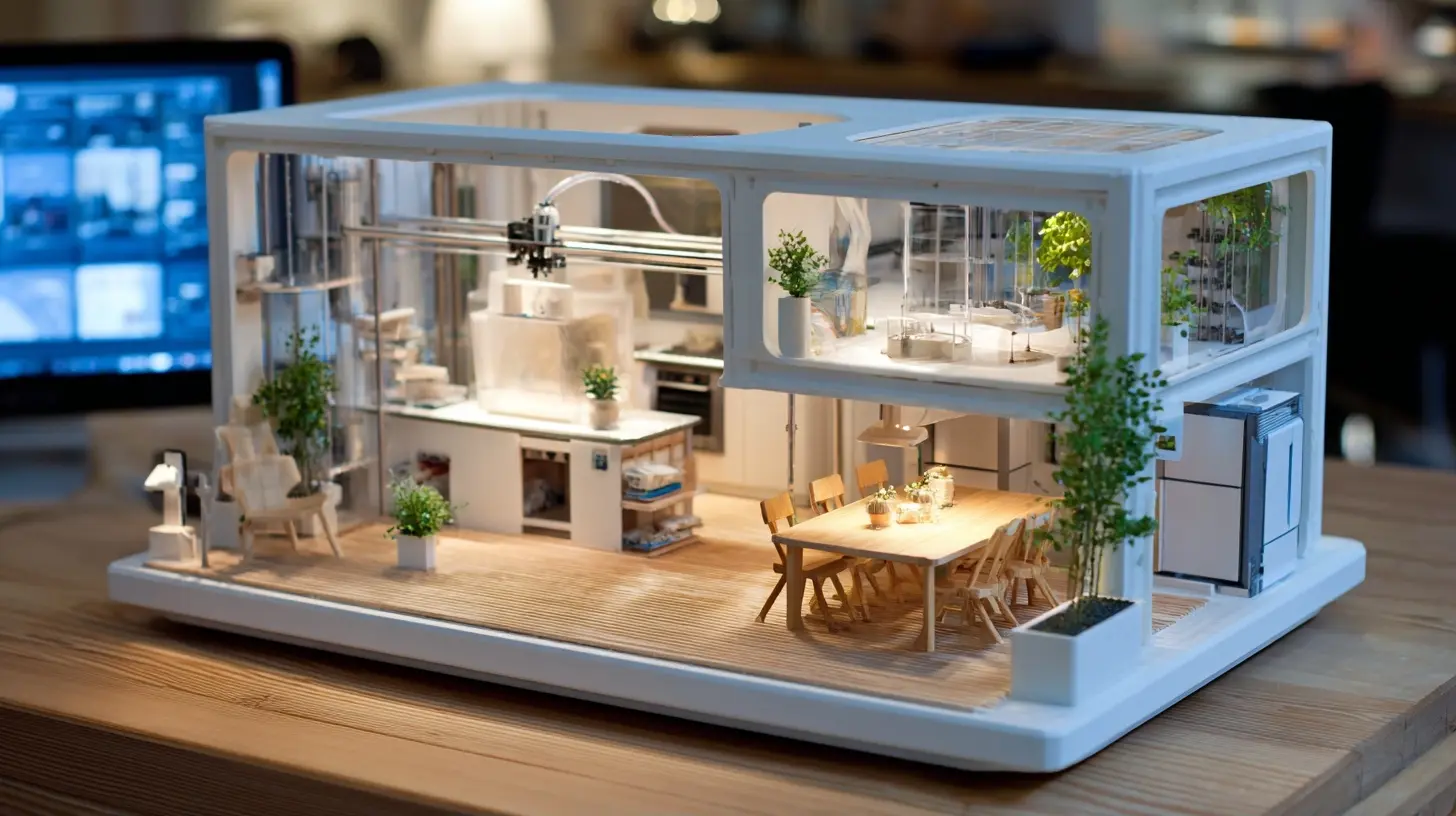
The State of Home 3D Printing Right Now
To understand where we are heading, you need a clear picture of where we stand. Most consumer 3D printers use fused filament fabrication, or FFF. A motor pushes a spool of thermoplastic through a heated nozzle, which traces thin layers on top of each other. It is simple, reliable, and cheap. You can buy a decent machine for about 250 dollars. The material costs about 20 dollars per kilogram, which makes it competitive with injection-molded parts for low-volume production.The problem has never been the hardware. It is the software and the design skill required to use it well. The typical user still needs to learn a slicing program, understand layer adhesion, and troubleshoot failed prints that look like a plate of spaghetti. That is changing fast. Modern slicers auto-correct many common errors. Printers now come with automatic bed leveling, filament runout sensors, and camera monitoring. Some models even detect a failed print and stop it on their own.
What has not changed is the mental barrier. Most people do not think in CAD. They do not know how to model a replacement gear or a custom phone stand. That is the real bottleneck, and it is where the next few years will bring the biggest shift.
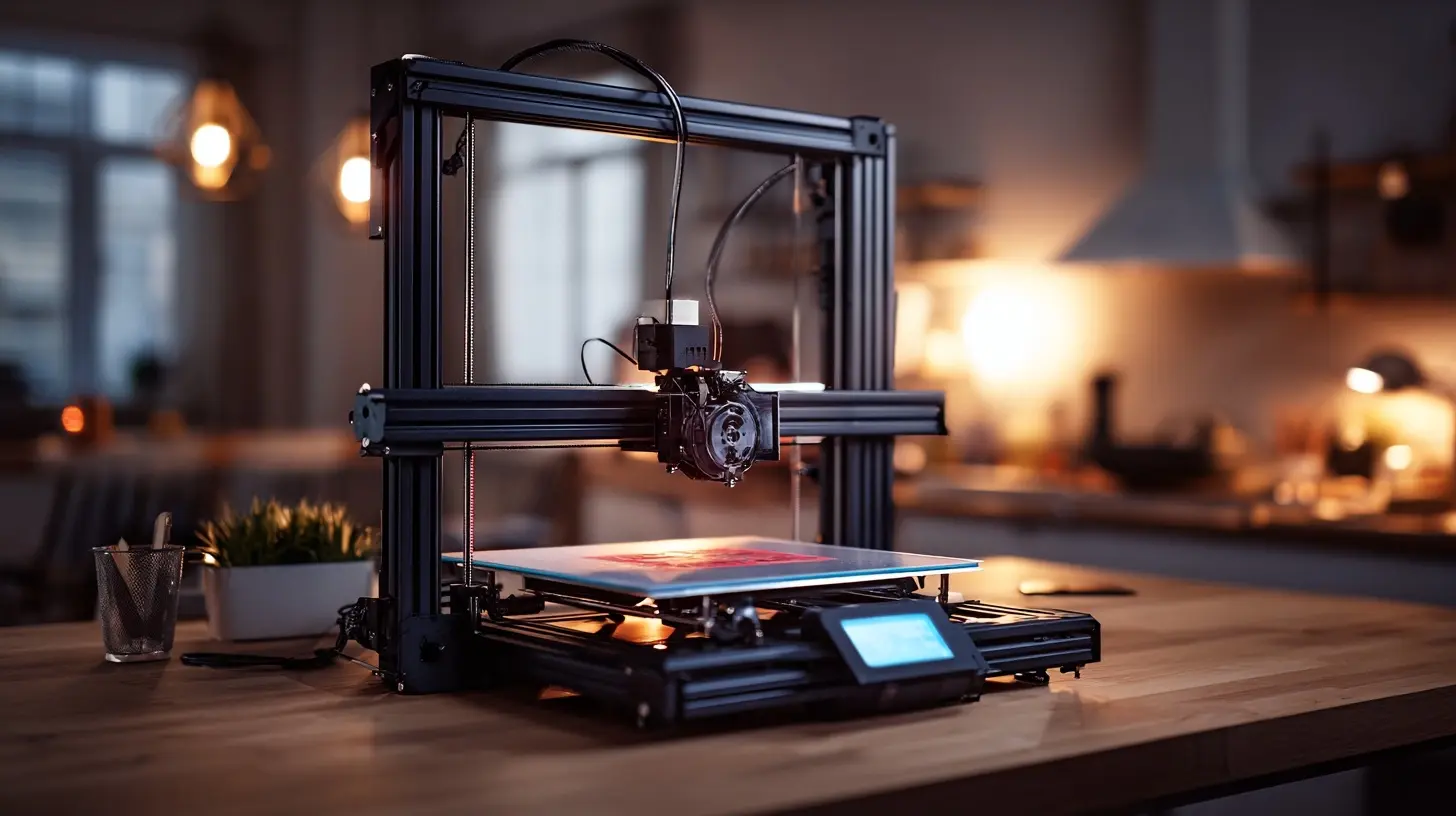
The Software Revolution Will Matter More Than Hardware
Hardware improvements are incremental. Printers will get faster, quieter, and more precise. But the real breakthrough will be in software that removes the need for traditional 3D modeling skills.Imagine taking a photo of a broken drawer clip with your phone. The app processes the image, reconstructs the geometry, and suggests a printable replacement that fits the mounting holes. You press print. That workflow is not science fiction. Photogrammetry and AI-driven mesh repair already exist. The missing piece is a consumer-grade interface that makes the entire process feel as natural as using a document scanner.
By 2027, expect to see integrated platforms that combine object scanning, automatic dimension extraction, and a database of common part geometries. You will not need to know the difference between a fillet and a chamfer. The software will ask you two questions: what does the part do, and what are the critical measurements? Then it will generate a model that is ready to print.
This matters because the value of a 3D printer is directly proportional to the number of things you can actually make with it. If you can only print trinkets and benchy boats, the machine is a toy. If you can print a custom bracket for your car's interior or a replacement latch for a washing machine, it becomes a household tool on par with a drill.
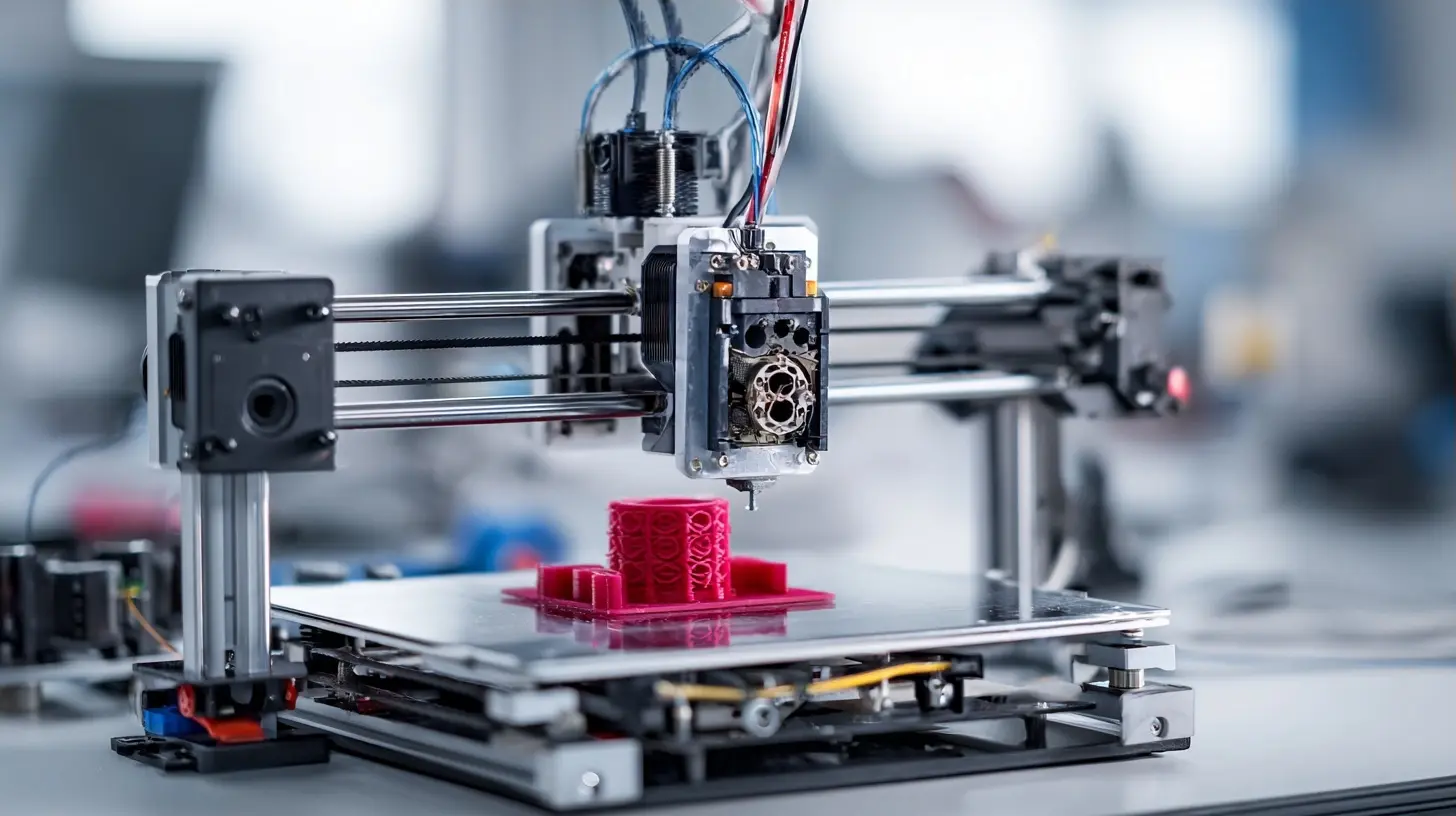
Materials Will Move Beyond Decorative Plastic
Right now, the average home printer handles PLA, PETG, and maybe ABS. PLA is easy to print but melts in a hot car. ABS is strong but warps and smells bad. PETG is a good middle ground, but it is not suitable for food contact or high heat.The material landscape is shifting faster than most people realize. Composite filaments now include carbon fiber reinforced nylon, which is stiff enough for structural brackets. Polycarbonate blends can handle temperatures above 100 degrees Celsius, making them suitable for engine bay components and dishwasher-safe parts. TPU, a flexible rubber-like material, is already common for gaskets and vibration dampers.
The real game changer will be multi-material printing at the consumer level. The next generation of home printers will feature dual or even quad extruders that switch materials mid-print. That allows you to print a rigid part with soft over-molded grips, or a watertight shell with a soluble support structure that dissolves in water. The latter is critical because it removes the tedious task of snapping off support material from complex geometries.
For example, a printer with soluble supports can produce a threaded pipe fitting with internal channels that would be impossible to clean out by hand. That opens the door to functional fluid systems, custom enclosures with integrated cable routing, and mechanical assemblies with living hinges.
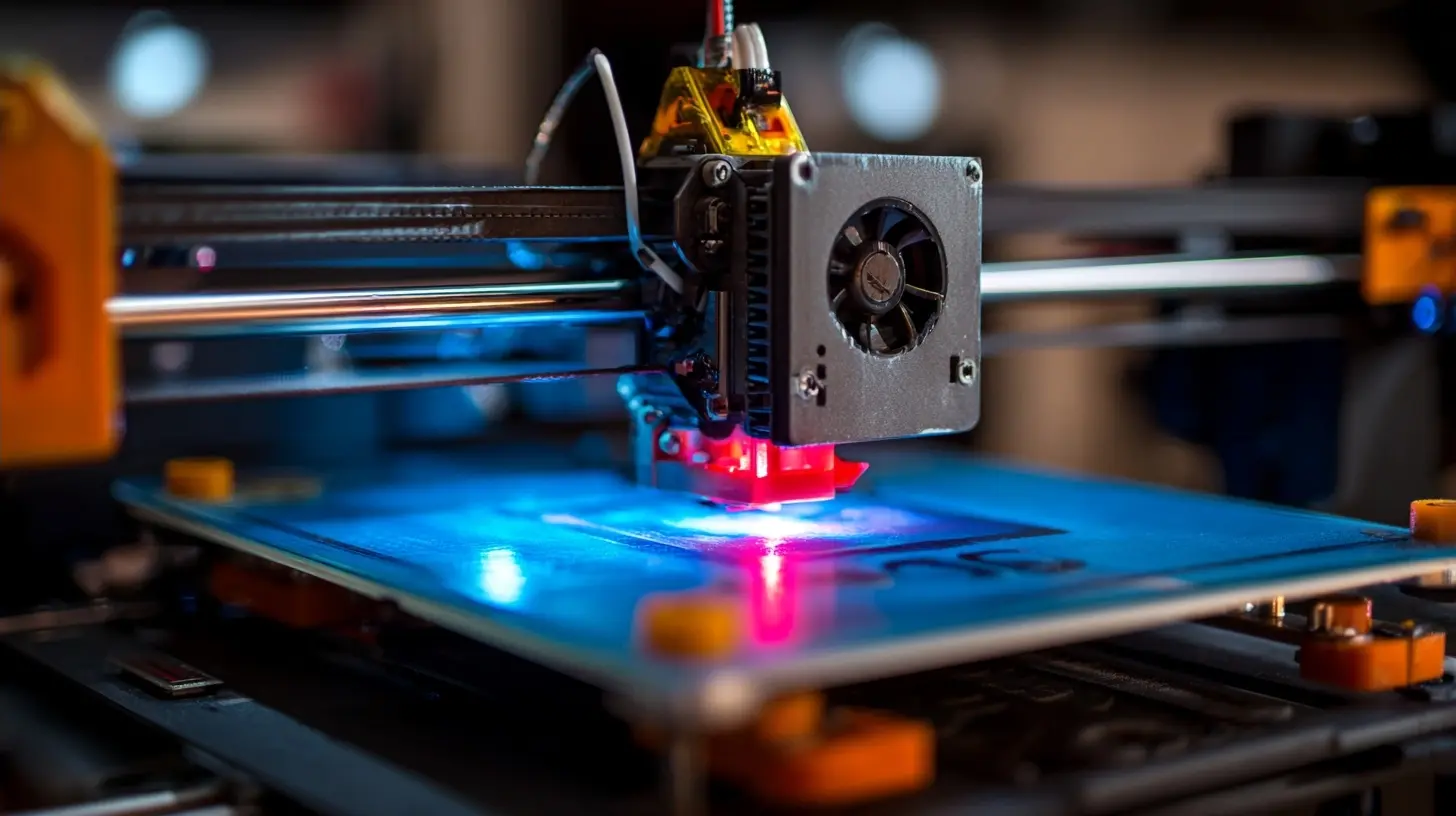
The Economics of Printing at Home Versus Buying
Let us talk about money, because that is where most people make their decisions. A spool of PETG costs about 25 dollars and yields roughly 300 meters of filament. A typical replacement part, like a gear or a small housing, uses about 10 grams of material. That means the raw material cost is less than one dollar. Even with electricity and printer wear, the total cost per part stays under two dollars.Compare that to buying a replacement part online. A specialized gear for a vintage mixer might cost 15 dollars plus shipping. A custom bracket from a machine shop costs 50 dollars minimum. The economic argument is clear for anything that is not mass-produced.
But there is a hidden cost that most enthusiasts ignore: your time. If you spend two hours designing a part that you could have bought for 10 dollars, you are losing money unless you value the skill-building and the convenience of instant availability. The key is to use 3D printing for items that are expensive, unavailable, or need to be customized. Do not print a standard 20-millimeter shelf pin that costs 50 cents at the hardware store. Print the 19.5-millimeter pin that fits your specific Ikea shelf and does not exist anywhere in the market.
By 2027, the software will automate much of the design time, shifting the cost-benefit ratio even further in favor of home printing. A part that takes 30 seconds to scan and one click to print will beat any online retailer on both price and speed.
Practical Applications That Will Become Mainstream
Let us move from theory to concrete examples. Consider the household appliance repair market. Most small appliances fail not because of motors or electronics, but because of plastic parts that crack, strip, or wear out. A coffee maker's water tank latch, a blender's drive coupler, a vacuum cleaner's height adjustment wheel. These parts are often proprietary and only available as part of a full assembly that costs nearly as much as a new appliance.A home printer with a basic library of common appliance parts can save a household hundreds of dollars per year. The catch is that the part must be dimensionally accurate and durable enough to withstand heat, moisture, and mechanical stress. That requires printing in the right material with the right settings. A PLA part will fail in a dishwasher. A nylon part will not.
Another huge area is home organization and furniture repair. Cam lock nuts, shelf support pegs, drawer slides, and hinge pins are all printable. More importantly, they are all customizable to non-standard sizes. If your cabinet has an odd spacing between screw holes, you can print a bracket that matches exactly instead of drilling new holes into the cabinet.
Custom tools are another underappreciated use case. A jig for drilling precise holes, a template for routing a hinge mortise, a clamp that fits an oddly shaped workpiece. These are items that professionals buy from specialty suppliers, often at high prices. With a printer, you can create a jig in an hour that does the job just as well.
The Shift Toward Repair and Sustainability
There is an environmental angle that will drive adoption more than any marketing campaign could. The European Union's right-to-repair legislation is already forcing manufacturers to make spare parts available for a minimum number of years. But even with that regulation, the parts are often expensive and slow to ship.3D printing offers a decentralized alternative. When a part fails, you do not wait for a warehouse on another continent. You download a file, or scan the broken part, and print a replacement at 10 PM on a Sunday. This reduces waste, cuts shipping emissions, and extends the life of products that would otherwise end up in a landfill.
The challenge is quality assurance. A factory-produced part has gone through rigorous testing. A home-printed part has not. The material properties vary with print orientation, layer height, and nozzle temperature. A poorly printed part can fail catastrophically, especially if it is load-bearing. By 2027, expect to see more standardized print profiles and certification tools that verify a part's strength based on the actual print parameters used.
Common Mistakes and How to Avoid Them
If you are new to this space, you will make mistakes. That is fine. But some mistakes are expensive and frustrating enough to make people give up entirely.The first mistake is buying the cheapest printer you can find. A 150-dollar printer often requires hours of manual calibration and still produces mediocre results. A 400-dollar printer with auto-leveling, a direct-drive extruder, and a heated enclosure will save you dozens of hours in the first month. The price difference is worth it.
The second mistake is ignoring material properties. People print a functional part in PLA because it is easy, then complain when it deforms in a warm room. PLA is great for prototypes and non-structural items. For anything that will bear weight, experience heat, or contact moisture, use PETG or nylon. Learn the differences before you start.
The third mistake is not calibrating the printer for each new material. Filament brands vary in diameter and melt flow. A profile that works for one brand may not work for another. Take the time to run a temperature tower and a flow calibration cube for each new spool. This takes an hour but prevents hours of failed prints.
The fourth mistake is expecting the printer to work unattended while you sleep. Even modern printers can fail in ways that cause a tangled filament blob around the nozzle. Always check on the first few layers, and use a camera if you want to monitor remotely. Some printers have AI failure detection, but it is not perfect.
The fifth mistake is designing parts without considering layer orientation. A part printed flat will be strong in the X and Y axes but weak in the Z axis. If you design a hook that will be pulled downward, print it on its side so the layers run perpendicular to the force. This is a simple rule that dramatically improves part strength.
The Role of Open Source and Community Sharing
One of the most powerful forces in this field is the open-source community. Websites like Printables and Thingiverse host millions of free models. Many of them are poorly designed, but many are excellent. The best ones include detailed print settings, material recommendations, and real-world testing notes.By 2027, expect these platforms to evolve into full-fledged part libraries with quality ratings, verified print profiles, and compatibility checks. You will be able to search for a part, see how many people have printed it successfully, and download a pre-configured file that works with your specific printer model.
This community-driven approach also accelerates innovation. When someone designs a clever parametric bracket that fits a popular brand of shelf, they share it. Others remix it to fit different sizes. Within months, a single design can spawn dozens of variations that cover every possible configuration. No retailer can match that level of customization.
What Will Not Change by 2027
It is important to be honest about limitations. Home 3D printing will not replace injection molding for mass production. If you need 10,000 identical parts, a factory will always be cheaper and faster. The surface finish of a printed part is still rougher than a molded part. Tolerances are looser. Metal printing, or direct metal laser sintering, remains far too expensive and hazardous for home use.Also, printing large objects is impractical. A printer with a 300 millimeter by 300 millimeter build plate is considered large for home use. Printing a chair or a table requires either splitting the design into many pieces or using a much larger machine that costs thousands of dollars. For large furniture, traditional woodworking or flat-pack assembly will remain the norm.
The other thing that will not change is the need for basic mechanical sense. A 3D printer is not a microwave. You need to understand how parts fit together, what forces they will experience, and how to measure things accurately. The software will help, but it will not replace the human judgment required to decide whether a printed part is safe for a given application.
The Skills That Will Become Valuable
If you want to be ahead of the curve, start developing a few specific skills now. The first is parametric design. Learn to use a tool like OpenSCAD or Fusion 360 with parameters. This allows you to create a model where you can change the width, height, or hole spacing by editing a single variable. When you need a bracket for a different shelf size, you just change one number and reprint.The second skill is basic material science. Understand what glass transition temperature means, and how it affects your choice of filament. Know the difference between tensile strength and impact resistance. This knowledge will save you from designing parts that fail under real-world conditions.
The third skill is troubleshooting. When a print fails, do not just change one setting and hope for the best. Look at the failure mode. Is it warping at the corners? Increase bed temperature and add a brim. Is it stringing? Lower the nozzle temperature and increase retraction. Is it layer separation? Print hotter or slow down. Each failure tells you something specific about the system.
These skills are not hard to learn, but they take practice. The good news is that the community is full of tutorials and guides. You can go from zero to competent in about a month of regular use.
The Impact on Education and Small Business
The home 3D printer is also a gateway to broader technological literacy. Kids who grow up with one learn that objects are not just things you buy, but things you can design and create. This mindset is valuable regardless of whether they pursue a technical career. It teaches problem-solving, spatial reasoning, and the value of iteration.For small businesses, the impact is even more direct. A custom fabrication shop can use a home printer to create jigs and fixtures that speed up their existing processes. A pottery studio can print custom stamps and texture tools. An auto repair shop can print trim clips and mounting brackets for older vehicles. The cost of entry is so low that the tool pays for itself with a single week of use.
By 2027, expect to see more micro-entrepreneurs offering hyper-local printing services. If you need a part, you will not order from a warehouse. You will send the file to a neighbor with a printer, or use a local library that offers print-on-demand services. This is already happening in some cities, and it will expand significantly.
The Realistic Timeline to 2027
Let us lay out a realistic timeline. In 2025, you will see the first consumer printers with integrated scanning and AI-driven failure detection as standard features. Prices will drop to around 300 dollars for a capable machine. In 2026, multi-material support will become common, with soluble supports eliminating the hardest part of post-processing. In 2027, expect the software to reach the point where a complete novice can go from a physical broken part to a printed replacement in under 15 minutes.The hardware will not look dramatically different from today's printers. The changes will be under the hood: better motion control, quieter operation, and more reliable extrusion. The real shift will be in the user experience. Printing will become as routine as using a microwave. You will not think about layer heights or retraction speeds. You will just press print.
What You Should Do Today
If this article convinces you of anything, let it be this: start now. You do not need to wait for 2027. The current generation of printers is already capable enough to handle most household repair and customization tasks. The skills you learn today will be even more valuable as the software improves.Buy a printer from a reputable brand with good community support. Do not go for the absolute cheapest option. Spend a few hours learning the basics of slicing and bed leveling. Print some test objects to calibrate your machine. Then find a small problem in your home, like a missing cabinet knob or a broken shelf clip, and design a solution.
The first time you hold a part that you designed and printed yourself, and it actually works, you will understand the potential. That moment is the seed of a much larger change. By 2027, that seed will have grown into something that touches every corner of your home, your wallet, and your way of thinking about the objects around you.
The future of home manufacturing is not about replacing factories. It is about giving individuals the power to solve their own problems, on their own schedule, with their own hands. That power is already here. It is just waiting for you to press print.
all images in this post were generated using AI tools
Category:
Technology ReviewsAuthor:

Adeline Taylor
Discussion
rate this article
1 comments
Thalor Foster
Exciting possibilities ahead! 3D printing could truly empower us all.
September 12, 2026 at 3:20 AM
Adeline Taylor
Absolutely! The potential for 3D printing at home is huge. It could transform how we create and innovate in everyday life.