How AI is Revolutionizing Personal Assistants and Smart Devices
21 December 2025
Artificial Intelligence (AI) has become an inseparable part of our daily lives, especially when it comes to personal assistants and smart devices. Whether it's asking Alexa to play your favorite song, getting Google Assistant to set a reminder, or relying on Siri to send a message, AI-driven assistants have transformed how we interact with technology. But how exactly is AI reshaping these smart tools? Let’s dive in and see what makes AI-powered assistants the game-changer they are today. 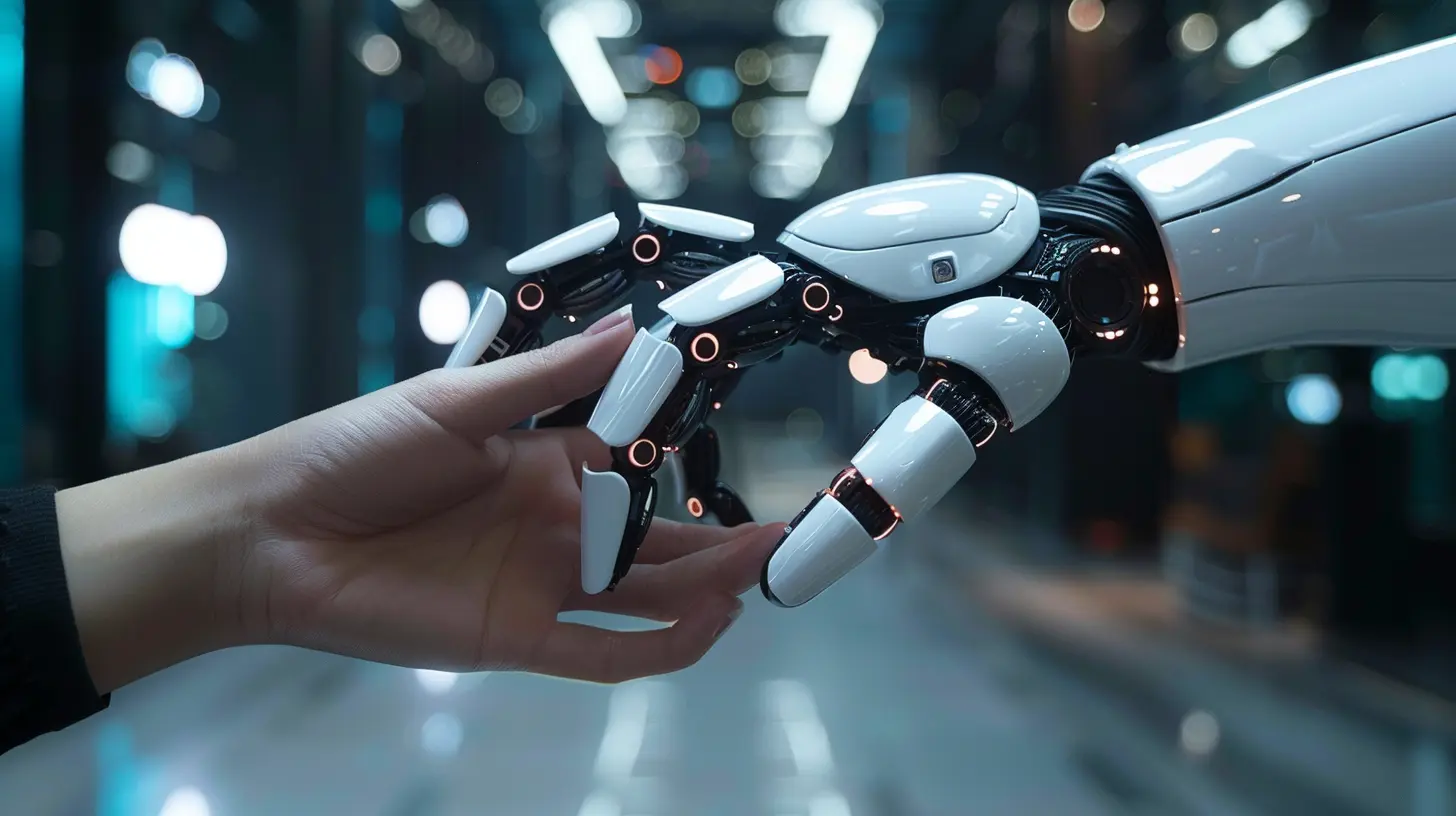
The Rise of AI in Personal Assistants
Personal assistants like Siri, Google Assistant, and Alexa started as basic voice command tools. They could set alarms, answer simple questions, and play music. Fast forward to today, and they have evolved into intelligent, context-aware tools capable of handling complex tasks. AI has fueled this growth, giving these assistants the ability to understand, learn, and improve over time.Natural Language Processing (NLP) - The Backbone of AI Assistants
At the heart of AI-powered personal assistants is Natural Language Processing (NLP). This technology enables devices to understand human speech, interpret it, and provide relevant responses. But this isn’t just about hearing words; NLP allows assistants to grasp context, detect emotions, and even recognize different accents.For example, if you say, "Remind me to call Mom," your assistant knows who "Mom" is (given previous interactions) and schedules the reminder accordingly. AI makes this possible by analyzing data patterns and learning user behavior.
Machine Learning - Making Assistants Smarter
Another game-changing aspect of AI is Machine Learning (ML). It allows personal assistants to improve based on past interactions. Ever noticed how Spotify recommends songs you might like? That’s ML in action.Instead of giving generic responses, AI assistants study user preferences, adapt to routines, and personalize suggestions. If you always ask for the weather at 7 AM, your assistant might proactively provide that info before you even ask. 
AI’s Role in Smart Devices
Smart devices, from thermostats to refrigerators, have also seen a major AI transformation. These gadgets are no longer just "connected"; they’re "intelligent." AI has taken automation to new heights, making these devices capable of self-learning, predicting needs, and even making independent decisions.Smart Homes: AI-Powered Automation
Smart homes aren’t just about turning lights on with a voice command anymore. AI-driven devices can now optimize energy usage, improve security, and enhance convenience.- Smart Thermostats (e.g., Nest, Ecobee): These devices learn your habits and adjust temperatures accordingly, saving energy while ensuring comfort.
- AI Security Cameras: These cameras can differentiate between a passing car and a potential intruder, reducing false alarms.
- Intelligent Lighting: Smart bulbs can adjust brightness based on ambient light or time of day, making homes more energy-efficient.
Wearable Tech: AI Making Devices More Personal
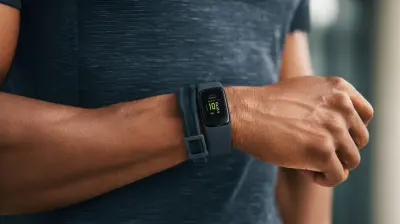
Wearables, like smartwatches and fitness trackers, have also been upgraded with AI. They don’t just track data—they analyze it, provide insights, and even suggest actions.- Apple Watch & Fitbit: These devices don’t just count steps; they analyze sleep patterns, detect irregular heartbeats, and even warn users of potential health risks.
- AI Hearing Aids: Modern hearing aids use AI to adjust sound settings based on surroundings, making conversations clearer and reducing background noise automatically. 
Voice Assistants vs. Chatbots: What's the Difference?
People often confuse AI voice assistants with chatbots, but there’s a key difference.| Feature | AI Voice Assistants | Chatbots |
|---------------|--------------------------------|---------|
| Interaction | Voice-based (spoken commands) | Text-based (written messages) |
| Examples | Siri, Alexa, Google Assistant | Website chatbots, customer service bots |
| Capabilities | Recognizing speech, controlling devices, providing voice responses | Answering text queries, automating tasks in digital support |
While chatbots help businesses automate customer service, AI voice assistants focus on enhancing personal productivity and smart home automation. 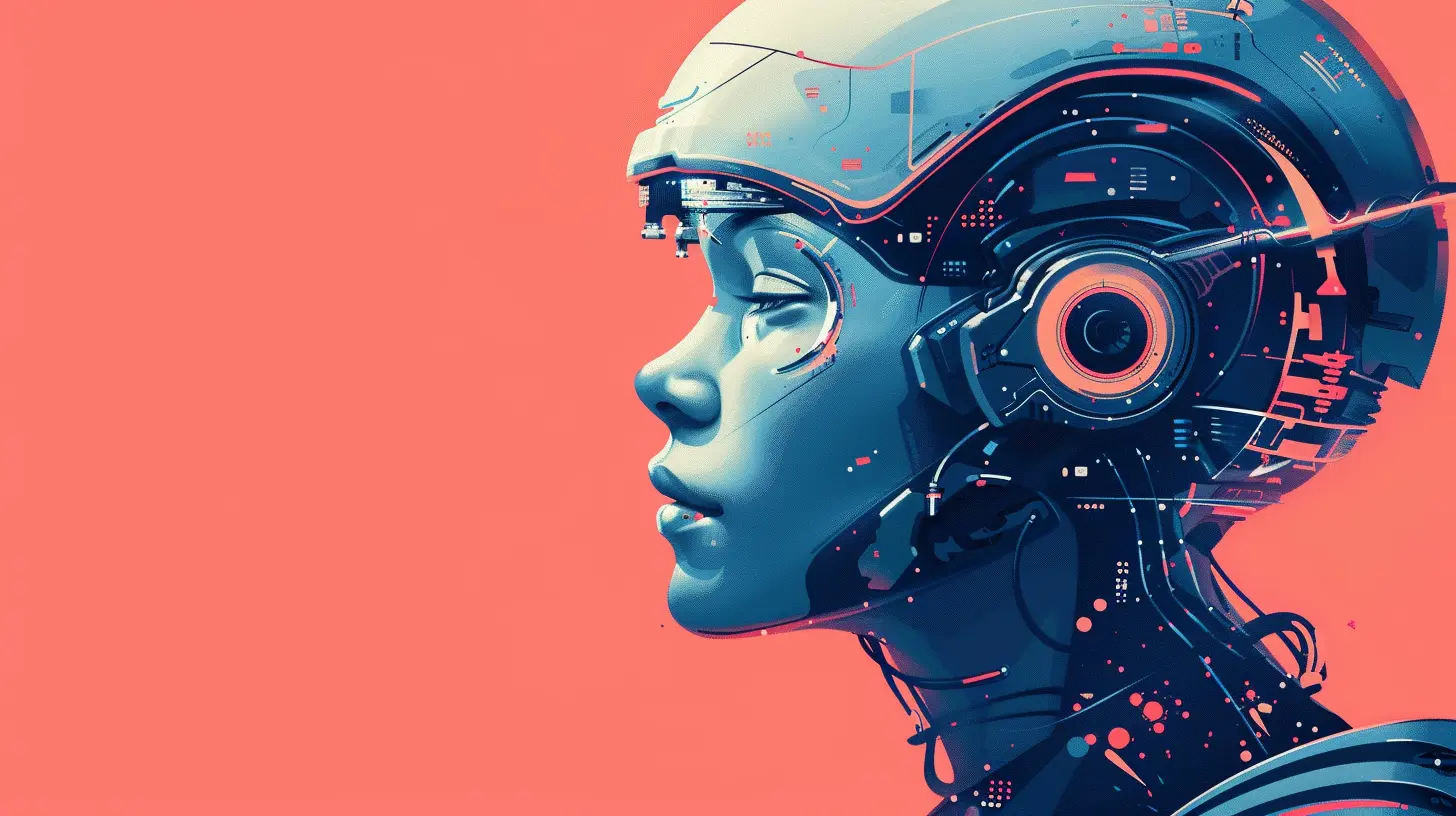
How AI is Enhancing User Experience
One of the biggest advantages of AI in personal assistants and smart devices is how it improves user experience. Let’s look at how AI is reshaping interactions.1. Context-Aware Assistance
Older assistants followed rigid command structures; newer AI ones understand context and intent. Say, “Turn on the lights,” followed by “Dim them a bit,” AI assistants grasp that "them" means the lights.2. Multilingual Capabilities
AI now supports multiple languages, allowing seamless interaction for users worldwide. Google Assistant, for instance, can handle multiple languages in a single conversation!3. Predictive Assistance
AI assistants don't just wait for commands anymore—they anticipate needs.- Example: Your assistant might suggest leaving early if it detects bad traffic on your usual route.
4. Improved Speech Recognition
With advanced speech recognition, AI assistants can now differentiate between voices. This means personalized responses based on who’s speaking (e.g., Alexa recognizing different family members).Challenges AI Personal Assistants Still Face
Despite all these advancements, AI-powered assistants and smart devices still have their challenges.1. Privacy Concerns
AI assistants continuously listen for commands, raising concerns about data privacy. Users often worry about how much information is being collected and where it’s stored. Companies need to ensure encryption and transparency to build trust.2. Misinterpretation of Commands
Even today, AI struggles to grasp sarcasm, regional dialects, and context nuances, leading to frustrating misinterpretations. While NLP is improving, it’s not perfect.3. Over-Reliance on Internet Connectivity
Most AI-powered assistants rely on cloud processing. If the internet goes down, functionality is significantly limited. Future developments may focus on improving offline capabilities.Future of AI in Personal Assistants and Smart Devices
AI’s journey doesn’t stop here. The future of smart assistants and intelligent devices looks even more promising.1. More Human-Like Conversations
Advancements in AI models (like ChatGPT) are making assistants more human-like in conversation. We might soon see AI assistants that can carry natural conversations without sounding robotic.2. Enhanced Emotional Intelligence
New AI developments are working on detecting emotions through voice tone and facial expressions. Imagine an AI assistant that understands when you're stressed and provides calming music suggestions.3. Seamless Integration Across Devices
Smart assistants will become even better at syncing between devices. Picture this: you start a YouTube video on your phone, and your assistant smoothly continues playing it on your smart TV without command.4. AI-Powered Healthcare Assistance
AI assistants will play a bigger role in healthcare, reminding patients to take medication, analyzing symptoms, and even scheduling doctor appointments based on user history.Final Thoughts
AI has undoubtedly revolutionized personal assistants and smart devices, making them more intelligent, intuitive, and deeply integrated into our lives. These assistants are no longer just tools; they’ve become companions that help streamline daily tasks, improve efficiency, and even enhance entertainment and security.That said, challenges like privacy concerns and misinterpretation issues still exist, but as AI continues to evolve, we can expect even smarter, more reliable assistants in the near future.
One thing’s for sure: AI-powered personal assistants and smart devices aren’t just a passing trend. They’re here to stay, and they'll keep getting better with every innovation.
all images in this post were generated using AI tools
Category:
Tech InnovationsAuthor:

Adeline Taylor
Discussion
rate this article
2 comments
Parker Rodriguez
AI's impact on personal assistants is remarkable, enhancing convenience but raising privacy concerns too.
December 23, 2025 at 4:27 AM
Adeline Taylor
Absolutely, the balance between convenience and privacy is crucial as AI transforms personal assistants. It's a conversation we need to keep having.
Damien McDaniel
This article insightful highlights the transformative role of AI in enhancing personal assistants and smart devices. Exciting to see how these innovations will shape our daily lives!
December 22, 2025 at 1:33 PM
Adeline Taylor
Thank you! I'm glad you found the article insightful. Exciting times ahead for AI and our daily lives!