How Autonomous Cars Are Shaping the Future of Urban Mobility
4 January 2026
The future of urban mobility is on the cusp of a revolution, and one of the biggest game-changers is the rise of autonomous cars. For decades, self-driving vehicles were just a futuristic vision — something you'd expect to see in a sci-fi movie. But now, that vision is rapidly becoming a reality. Autonomous cars are no longer just concepts on paper; they're hitting the streets, and they're poised to drastically transform the way we navigate cities.
But how exactly are autonomous cars reshaping urban mobility? What are the challenges and benefits they bring? And more importantly, how will they affect you and me in our daily lives? Let’s dive deep into the world of self-driving cars and explore how they’re driving us toward a smarter, safer, and more efficient future.
The Rise of Autonomous Vehicles: A Quick Overview
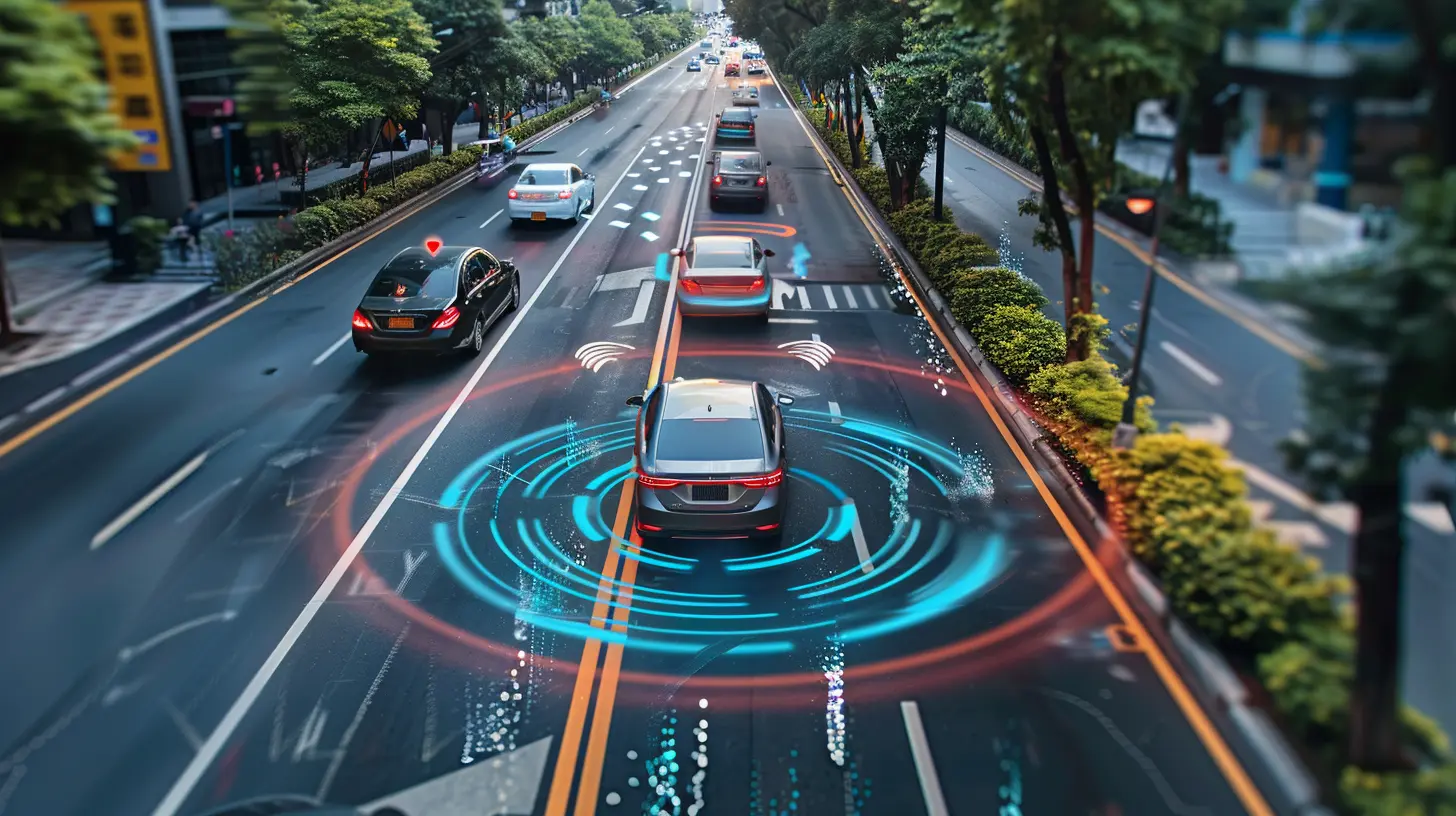
Before we get into the nitty-gritty, let’s clarify what we're talking about when we say "autonomous vehicles." In simple terms, an autonomous car is a vehicle capable of driving itself without human intervention. These cars rely on a combination of sensors, cameras, radar, and artificial intelligence (AI) to "see" the road and make real-time decisions — like avoiding obstacles, following traffic rules, and finding the best routes.While there’s still some debate on when fully autonomous cars will be widespread, major players like Tesla, Waymo, and Uber are already testing their autonomous vehicles in urban environments. The technology is advancing fast, and it’s only a matter of time before self-driving cars become a common sight.
The Current Challenges of Urban Mobility
To understand how autonomous cars fit into the picture, we first need to acknowledge the challenges facing urban mobility today. Cities, especially large metropolitan areas, are dealing with a whole slew of transportation-related issues:- Congestion: Traffic jams are a daily reality in most cities. As populations grow, so does the number of vehicles on the road, leading to increased congestion. This not only wastes time but also contributes to air pollution and stress.
- Pollution: Traditional cars, especially those running on gasoline and diesel, are a significant source of air pollution. Urban areas are grappling with poor air quality, which has severe health implications.
- Accidents: Human error is the leading cause of traffic accidents. According to the World Health Organization, over a million people die in road crashes annually, and many of these accidents occur in cities.
- Inefficiency: Let’s face it, the current transportation system in most cities is inefficient. Whether it's public transport delays, outdated infrastructure, or poorly designed traffic systems, it’s clear that urban mobility needs a serious upgrade.
So, where do autonomous cars come into all of this? Well, they offer potential solutions to many of these problems — but it’s not all smooth sailing.
How Autonomous Cars Can Revolutionize Urban Mobility
1. Reducing Traffic Congestion
One of the biggest promises of autonomous vehicles is their potential to reduce traffic congestion. How? Simply put, self-driving cars can communicate with each other. Unlike human drivers, they don’t get impatient, distracted, or aggressive. They follow optimal driving patterns, maintain safe distances, and avoid unnecessary stops.Imagine this: instead of dozens of cars inching forward in a stop-and-go traffic jam, autonomous cars could coordinate with each other to move smoothly and efficiently. This could not only ease congestion but significantly cut down on commute times.
Moreover, autonomous ride-sharing services could become more prevalent. Think of it as an Uber, but with no driver. These services could reduce the number of single-occupancy vehicles on the road, leading to fewer cars and less congestion.
2. Enhancing Safety and Reducing Accidents
As mentioned earlier, human error is the leading cause of traffic accidents. Autonomous cars, on the other hand, don’t get distracted by texting, they don't drive under the influence, and they don't fall asleep at the wheel. They rely on sensors and AI to make decisions that are safer and more calculated than those made by human drivers.For instance, self-driving cars are programmed to obey traffic laws, avoid collisions, and adapt to changing road conditions. Over time, as these cars become more advanced and widespread, we could see a significant reduction in accidents and fatalities on the road. This alone is a massive step toward creating safer urban environments.
3. Reducing Pollution and Promoting Sustainability
Most of the leading autonomous vehicle developers are also focusing on electric vehicles (EVs). Why? Because combining autonomous driving with electric power creates a perfect recipe for reducing urban pollution. Electric cars produce zero emissions, and when coupled with efficient, self-driving technology, they can help cities significantly cut down on their carbon footprints.Additionally, self-driving cars can be more energy-efficient than human-driven cars. With precise control over acceleration and braking, they can optimize fuel consumption (or battery usage in the case of EVs), reducing waste and promoting sustainability.
4. Increasing Accessibility
Autonomous cars aren't just for tech enthusiasts or early adopters. They have the potential to transform transportation for people who currently face mobility challenges. Think about the elderly, people with disabilities, or those who are unable to drive. Self-driving cars can give these individuals newfound freedom and independence, allowing them to move around cities without relying on public transportation or caregivers.What’s more, autonomous ride-sharing services could be a more affordable and convenient option for people living in areas with limited public transport. This increased accessibility could help create more inclusive cities where everyone, regardless of their physical abilities, can move around freely.
5. Freeing Up Urban Space
In most cities, a huge amount of space is dedicated to parking. Think about it: we park our cars at home, at work, at the grocery store, at the mall — pretty much everywhere. But what if we didn’t need parking lots and garages anymore? Autonomous cars could drop you off at your destination and then drive away to pick up someone else or park themselves in more efficient, remote locations.This could lead to a massive reduction in the need for parking spaces, freeing up valuable urban land that could be used for parks, housing, or other public amenities. Cities could become greener, more livable, and better designed for human interaction, rather than being dominated by cars.
6. Shifting Transportation Economics
Let’s not overlook the economic implications of autonomous vehicles for urban mobility. Self-driving cars could disrupt traditional models of car ownership. With the rise of autonomous ride-hailing services, it's entirely possible that fewer people will feel the need to own a car. Why buy a car, pay for insurance, and deal with maintenance when you can summon a self-driving car to pick you up whenever you need it?This shift could lead to a more service-based transportation economy, where people pay for rides rather than vehicles. This could make transportation more affordable and flexible, especially for urban dwellers who may not need a car for everyday use.
The Roadblocks Ahead: Challenges to Overcome
Now, while all of this sounds promising, it’s important to recognize that we’re not quite there yet. There are still significant challenges to overcome before autonomous cars become a widespread solution for urban mobility.1. Regulatory Hurdles
Governments and regulatory bodies are still figuring out how to deal with autonomous vehicles. Questions about liability in the event of an accident, data privacy, and safety standards are all up for debate. Until clear regulations are established, the widespread deployment of self-driving cars will face delays.2. Public Acceptance
Believe it or not, many people are still wary of autonomous cars. Some fear the loss of control, while others are concerned about safety. Gaining public trust will be crucial for the adoption of autonomous vehicles on a large scale. Companies will need to prove that these cars are safe, reliable, and beneficial.3. Infrastructure Upgrades
Our current road infrastructure isn’t built for autonomous vehicles. To fully realize the benefits of self-driving cars, cities will need to invest in smart infrastructure — things like connected traffic signals, dedicated lanes for autonomous vehicles, and improved road maintenance. This will require time, money, and political will.Conclusion: A New Era for Urban Mobility
Autonomous cars are not just a tech fad — they have the potential to reshape the future of urban mobility in profound ways. From reducing congestion and improving safety to promoting sustainability and increasing accessibility, self-driving cars offer solutions to many of the problems plaguing our cities today.While there are still challenges to overcome, the benefits of autonomous vehicles are too significant to ignore. As technology continues to advance and public acceptance grows, we can expect to see autonomous cars playing a central role in shaping smarter, greener, and more efficient cities for everyone.
all images in this post were generated using AI tools
Category:
Tech InnovationsAuthor:

Adeline Taylor
Discussion
rate this article
2 comments
Taryn McConnell
While autonomous cars promise to revolutionize urban mobility, they also raise critical concerns about infrastructure, data privacy, and social equity. Balancing technological advancement with ethical considerations will be key to sustainable urban development.
January 27, 2026 at 5:56 AM
Adeline Taylor
Thank you for highlighting these important concerns! Balancing innovation with ethical considerations is indeed crucial as we navigate the transformative impact of autonomous cars on urban mobility.
Ariana Harper
Exciting advancements! Autonomous cars will transform cities.
January 12, 2026 at 5:27 PM
Adeline Taylor
Thank you! Indeed, autonomous cars are set to revolutionize urban landscapes and mobility.