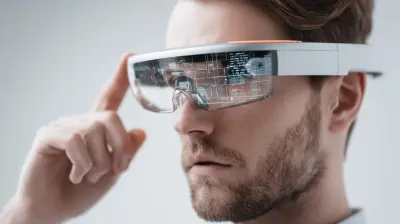
How Blockchain is Driving Innovation in Consumer Electronics
13 July 2026
You’ve probably heard the buzz around blockchain. Most people associate it with Bitcoin or other cryptocurrencies, right? But here’s the thing — blockchain is way more than just digital money. It’s quietly sneaking into our everyday lives, changing industries from finance to healthcare. One area that's really starting to feel its impact? Consumer electronics.
Yep, I'm talking about the gadgets we use every single day — from smartphones and smart TVs to wearables and gaming consoles. And guess what? Blockchain is shaking things up big time in the best way possible.
In this article, we’re going to dive deep into how blockchain is driving innovation in consumer electronics. Spoiler: it’s making our devices smarter, safer, and just plain cooler.
What Is Blockchain, and Why Should You Care?
Let’s have a quick refresher, shall we?Imagine a digital ledger — not the dusty old kind you’d find in a filing cabinet, but one that’s decentralized and tamper-proof. That’s blockchain. Every time a new "block" of data is added, it's linked to the previous one, forming a chain (hence the name). Once a block is on the chain, it’s locked in time — no take-backs, no edits.
So, how does that impact your smartphone or smartwatch? Keep reading.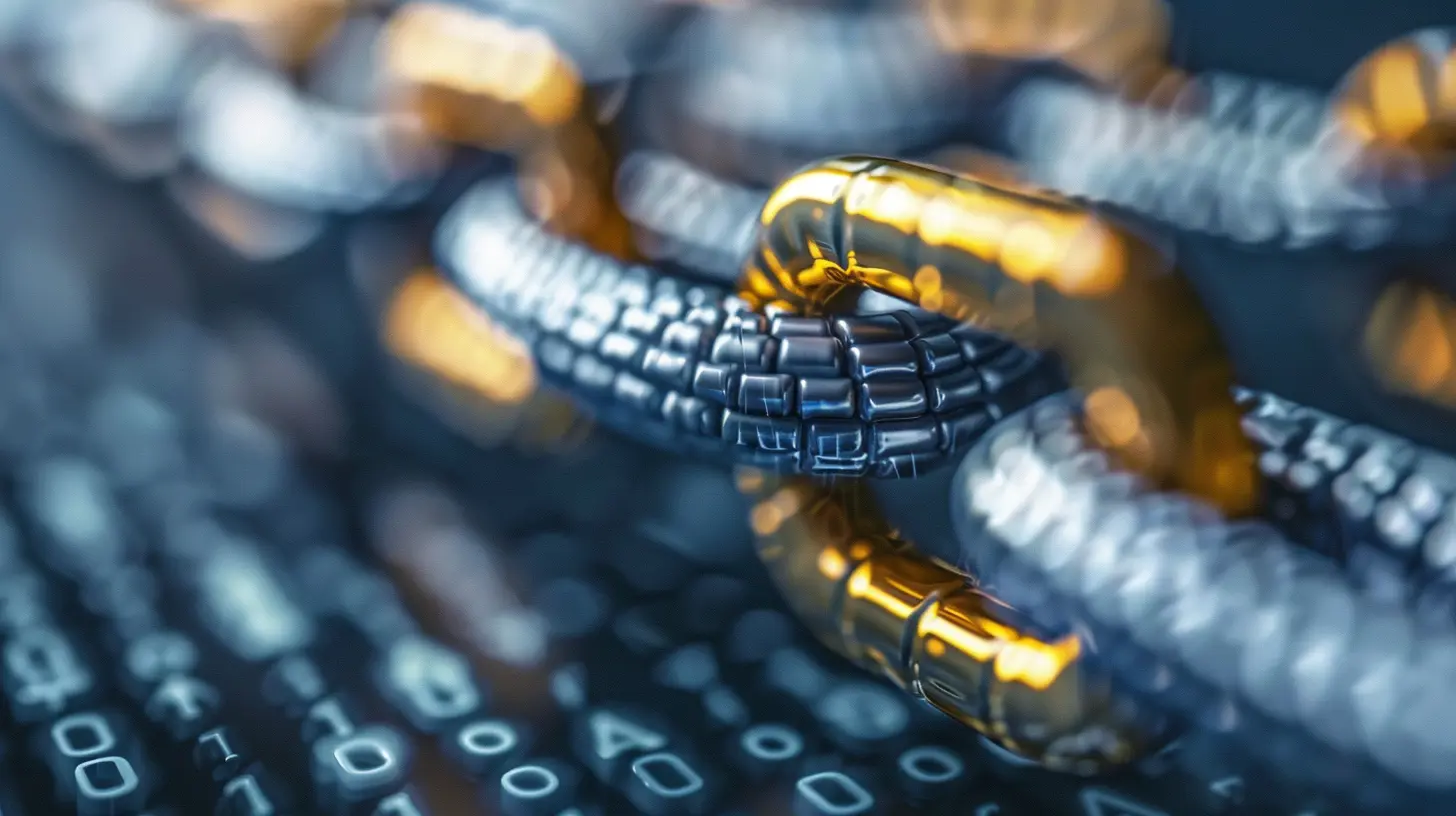
1. Fighting Counterfeits with Iron-Clad Authenticity
Ever bought a "branded" pair of wireless earbuds online and felt like something was off? You’re not alone. Counterfeit electronics are everywhere. According to a report by the OECD, fake electronics make up a huge slice of the counterfeit pie. Scary, right?Enter blockchain.
Manufacturers are now embedding blockchain-powered tags or chips into devices. Think of it like a digital birth certificate. When you buy a gadget, you can scan a code or check an app to see its origin, date of manufacture, and supply chain journey. You basically get receipts for every step your gadget has taken.
No more fakes. No more guesswork.
2. Making Supply Chains Transparent (And Way Cooler)
The supply chain is like the backstage of the electronics world. Most of us don’t think about where our devices come from — but we should, especially with growing concerns about ethical sourcing and environmental impact.Blockchain brings clarity to that backstage chaos.
With decentralized ledgers, companies can track every component — from raw materials to final product. So, if you’re passionate about sustainability, you can choose devices from brands that source responsibly. Not just because they said so, but because the proof is on the blockchain.
It’s like pulling the curtain back and seeing the wizard behind your gadgets.
3. Streamlining Software Updates and Licensing
Let’s be honest, updating your smart devices can be a pain. And managing licenses? Even worse.Blockchain is cutting through that mess like a hot knife through butter.
Imagine this: instead of manually checking for updates or worrying if your software is legit, your device automatically checks the blockchain for verified updates. It downloads them securely and efficiently, no middleman needed. It’s like giving your device a brain — one that’s always up-to-date and doesn’t get fooled by phishing links or sketchy software.
From gaming consoles to IoT devices, blockchain is turning the upgrade process from a chore into a breeze.
4. Unlocking Real Ownership Through NFTs and Tokenization
Here’s where things get really interesting.You’ve probably heard of NFTs — non-fungible tokens. They’re not just for digital art and memes. In consumer electronics, they’re opening up totally new ways to own and interact with devices.
Let’s say you buy a limited-edition VR headset. With blockchain, your ownership is recorded as an NFT. That’s irrefutable proof it’s yours. You can resell it, lend it, or even customize the user experience tied to that digital token. It's like having a virtual title deed for your tech.
And yeah, that might sound super nerdy, but remember when cloud storage sounded weird? Now it’s second nature.
5. Securing Smart Homes and IoT Devices
With smart homes, we’ve basically invited the internet into our living rooms, bedrooms, and even our refrigerators. Cool? Absolutely. But also a hacker’s dream if not secured properly.Blockchain may just be the superhero your smart home needs.
By decentralizing control, blockchain eliminates single points of failure. It means your smart thermostat doesn’t blindly follow just any signal — it verifies through the chain before making a move. Your home isn’t just smart; it’s wise.
And with blockchain-recorded logs, you can track every event — who turned on the lights, when your door was unlocked, and more. No snooping allowed unless you say so.
6. Revolutionizing After-Sales Support and Repair
Raise your hand if you’ve ever had a terrible experience with customer service after your device broke. Yep, we’ve all been there.Blockchain is flipping the script here, too.
Imagine having a device with a built-in blockchain history — purchase date, warranty info, service logs, everything. Service centers can access this with your permission, making repairs quicker and more accurate. No more explaining your whole life story just to get your phone fixed.
Plus, peer-to-peer marketplaces for repair parts and services are beginning to use smart contracts for secure, trustless transactions. It’s like eBay, but smarter and safer.
7. Making Micropayments a Reality in Devices
Let’s talk about money — or more specifically, tiny bits of it.Blockchain makes micropayments insanely easy. Picture this: your smart printer automatically orders ink when it's low. It pays the supplier directly using fractions of a cryptocurrency. No need to enter credit card details or approve every tiny transaction.
Devices can interact economically, creating a world where your gadgets manage not just tasks, but also transactions.
It’s like having a mini-business manager built into your tech.
8. Enabling Decentralized Ecosystems
Right now, most platforms we use are centralized. Apple controls iOS. Google controls Android. You play by their rules, or you’re out.But blockchain? It tears down those walls.
In decentralized ecosystems, users and developers can create and share content without asking a tech giant for permission. Think of decentralized app stores where developers get paid instantly when you download or use their app — no 30% cut to some gatekeeper.
This kind of democratization means more innovation, more freedom, and better options for all of us.
Imagine a TV where you decide what apps it runs, how it updates, and who gets access. That’s the power of decentralization.
9. Reinventing Product Warranties and Insurance
Warranties are broken. Ever tried to claim one and been flooded with fine print and hoops to jump through?Blockchain is here with a fix.
It can tokenize warranties, so they live on a transparent, immutable ledger. No need to dig through emails or receipts. Your warranty info is right there, verifiable by anyone, anytime.
And what about insurance? Blockchain-powered smart contracts can automate claims and payouts. No more waiting weeks — if your claim checks out, it’s handled instantly. Fast, fair, and frustration-free.
10. Boosting User Privacy and Data Ownership
Here's the big one: your data.Devices today collect tons of data — some of it sensitive. But where does it go? Who sees it, sells it, or stores it?
Blockchain enables user-controlled data ownership. You decide who gets access and for how long. It’s your info, after all.
Instead of trusting a faceless corporation, your device can use blockchain to ensure your personal data stays personal unless you're getting something in return — like better service, discounts, or features.
It’s like having your own personal vault — you hold the key.
The Road Ahead: Not Just Hype, But Real Change
We’re still in the early days, but blockchain’s potential in consumer electronics is undeniable. From authenticating products and protecting privacy to enabling smart payments and empowering users — it’s pushing boundaries like never before.And as tech giants, startups, and developers keep experimenting, we’re going to see a massive wave of blockchain-powered gadgets. The smart homes of tomorrow will be not just connected — but self-governing, secure, and transparent.
So, next time someone says "blockchain is just for crypto," you’ll know better. It’s already powering the tech you use — and making it smarter by the second.
Final Thoughts
Whether you’re a tech enthusiast or a casual user, the fusion of blockchain and consumer electronics is something you’ll want to keep an eye on. It’s not just improving products — it’s completely redefining how we buy, use, and trust our devices.And let’s be real — anything that makes our gadgets smarter, safer, and more efficient? That's something worth getting excited about.
all images in this post were generated using AI tools
Category:
Tech InnovationsAuthor:

Adeline Taylor
Discussion
rate this article
1 comments
Paige McKeehan
Great article! It's exciting to see how blockchain is reshaping consumer electronics. The potential for increased security and transparency in products really makes you think about the future of tech. Can't wait to see what comes next!
July 30, 2026 at 3:10 AM
Adeline Taylor
Thanks for the feedback! It's an exciting time for tech, and blockchain is definitely a game changer in consumer electronics. Stay tuned for more developments!