How Deep Learning Will Reshape Healthcare by 2027
22 April 2026
The world of healthcare is on the brink of a technological revolution, and at the helm of this transformation is deep learning. By 2027, we’re set to witness a seismic shift, where algorithms and neural networks will not only augment human capabilities but also refine and redefine the very essence of patient care. So, let’s dive deep into how this fascinating technology will reshape healthcare as we know it!
What is Deep Learning?
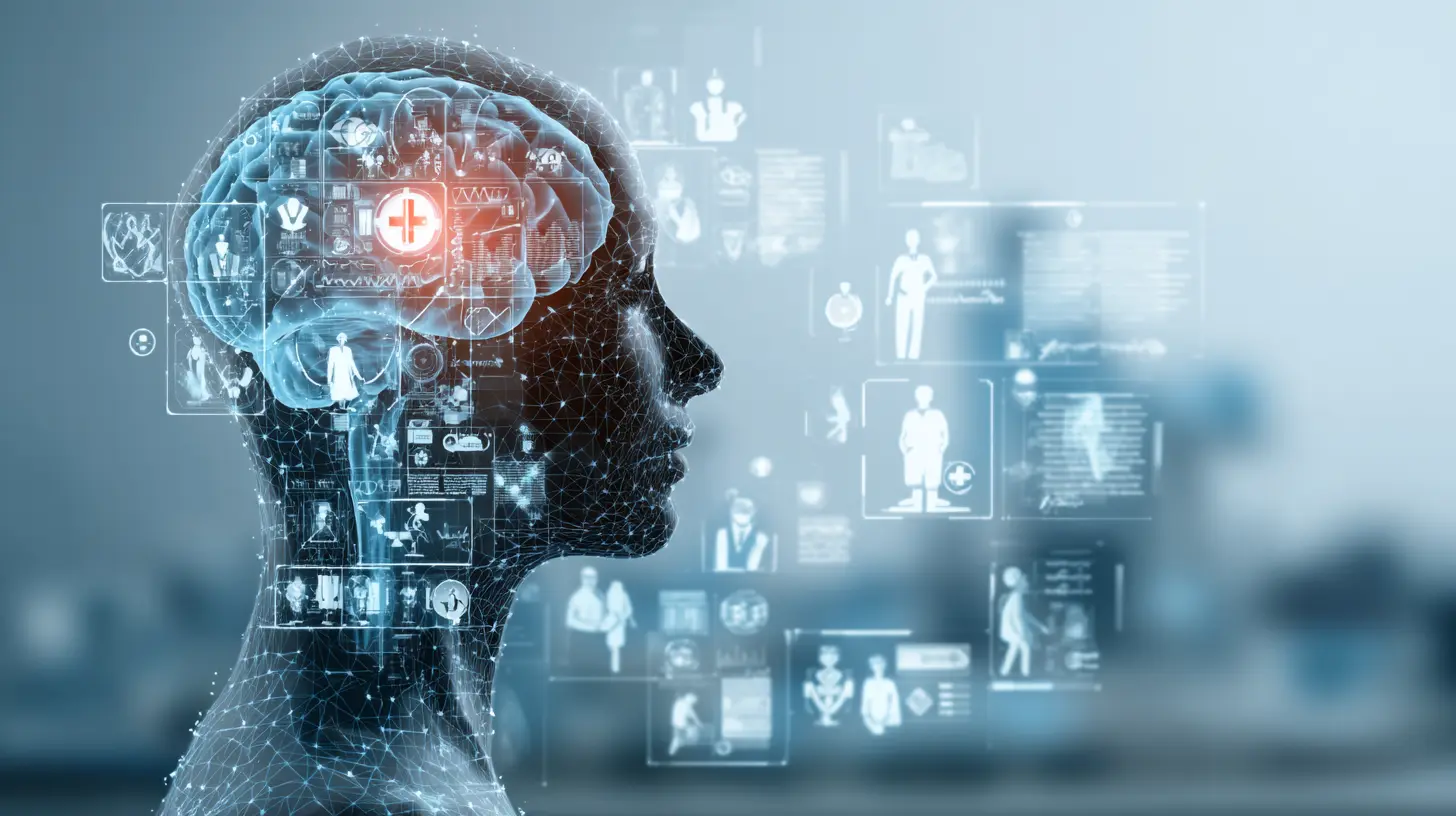
Before we get into the nitty-gritty of how deep learning will change healthcare, let’s lay down the foundation. Deep learning is a subset of artificial intelligence (AI) that mimics the workings of the human brain through artificial neural networks. Imagine a high-tech version of our brain, capable of processing vast amounts of data, detecting patterns, and making decisions. Pretty cool, right?These advanced algorithms can learn from vast datasets, improving their accuracy over time. Think about it like this: just as a toddler learns to recognize a dog by seeing various breeds, deep learning models become better at identifying diseases by analyzing images, patient data, and more.
The Current State of Healthcare
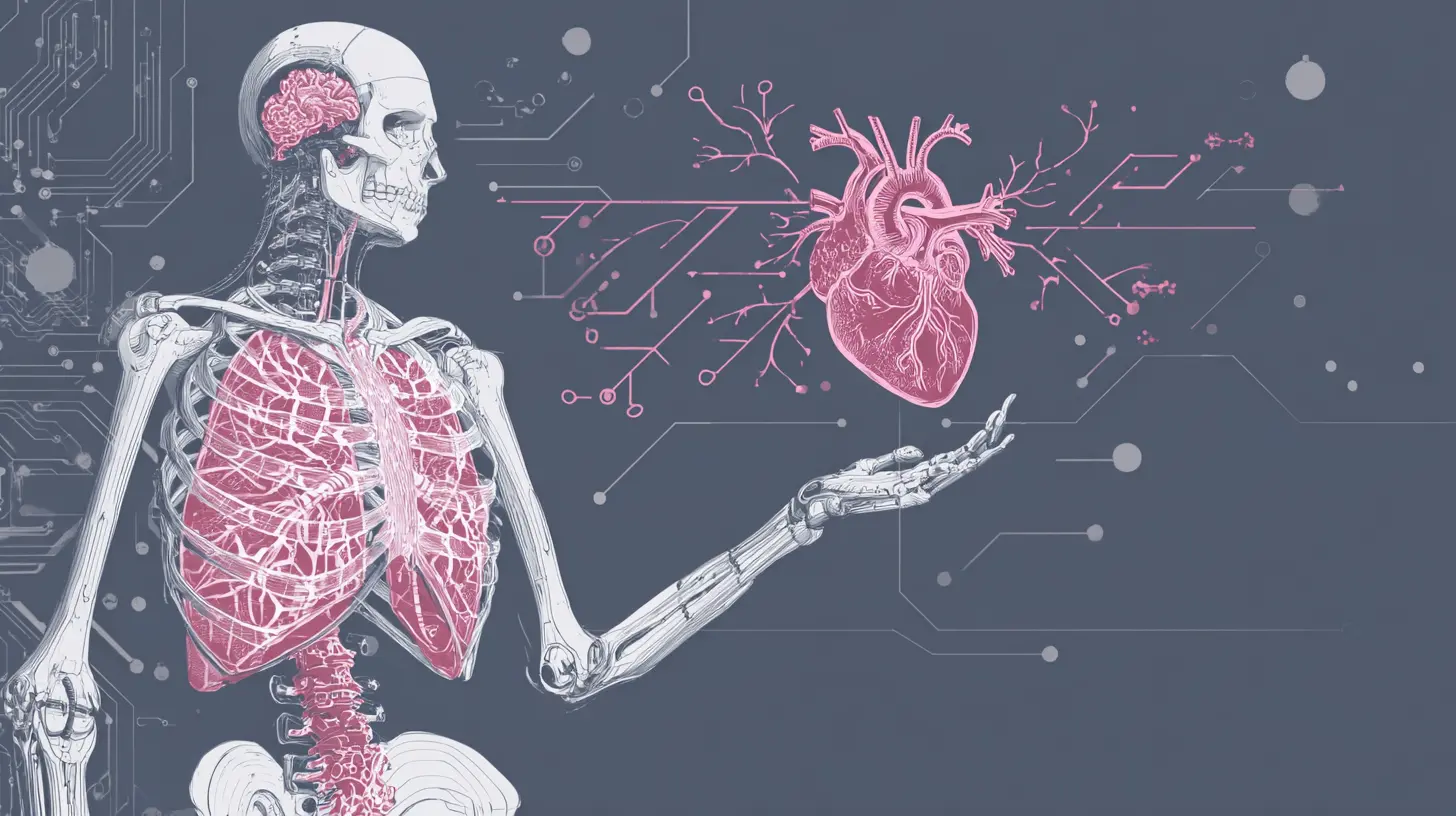
Before we jump into the future, it’s essential to understand where we currently are. The healthcare industry today is a mix of incredible advancements and persistent challenges. While we have cutting-edge treatments and technologies, there’s still room for improvement in areas like patient diagnosis, treatment precision, and operational efficiency.For instance, consider the typical patient experience. You visit a doctor, undergo tests, and wait days or even weeks for results. This traditional model can be cumbersome and slow, often leading to misdiagnoses or delayed treatments. What if, instead, these processes could be streamlined and made more precise with the help of deep learning?
How Deep Learning is Already Making Waves
Enhanced Diagnostics
Imagine walking into a clinic, and instead of the doctor looking at your X-rays, a powerful deep learning algorithm analyzes them in seconds, identifying abnormalities with uncanny accuracy. This isn’t science fiction; it’s happening now! Deep learning algorithms have already shown remarkable success in diagnosing diseases like cancer, diabetic retinopathy, and even rare genetic disorders.By 2027, we can expect these systems to become standard practice in healthcare facilities around the globe. They’ll reduce human error and provide insights at lightning speed. If a machine can analyze thousands of images and detect tumors in their early stages, wouldn’t that be a game-changer?
Personalized Medicine
One size doesn't fit all, especially in healthcare. With deep learning, the concept of personalized medicine is gaining traction. Algorithms can analyze a patient’s genetic makeup, lifestyle, and health history to suggest tailored treatment options. It’s like having a bespoke suit, but for your health!Imagine a world where your treatment plan is customized just for you, taking into account your unique DNA. This means fewer side effects, more effective treatments, and ultimately, healthier patients. By 2027, personalized approaches will be the norm, driving better outcomes and increased patient satisfaction.
Predictive Analytics
Ever wish you had a crystal ball to foresee health issues? Well, deep learning might just be the closest thing we get! Predictive analytics use algorithms to analyze patterns in health data, forecasting potential health issues before they arise.For example, if a patient’s data indicates a high risk of heart disease, doctors can intervene early with preventive measures. It's like getting a warning before a storm hits; you can prepare and take action. By 2027, expect these predictive models to become essential tools for healthcare providers, enabling proactive rather than reactive care.
Transforming Administrative Tasks
Streamlining Operations
Now, let’s pivot a bit and talk about the behind-the-scenes work in healthcare. Administrative tasks can be a black hole of time and resources. Deep learning can automate various functions, from scheduling appointments to managing patient records, freeing up healthcare professionals to focus on what they do best: caring for patients.Imagine a world where you never have to fill out endless forms or wait on hold to schedule an appointment. With AI-driven systems managing operations, the focus can shift back to patient care. By 2027, the administrative burden could be significantly reduced, leading to a more efficient healthcare system.
Improved Resource Management
Healthcare resources can be scarce, and managing them efficiently is crucial. Deep learning can analyze data on patient flow, staffing needs, and equipment availability, ensuring the right resources are in the right place at the right time. Think of it like a well-conducted orchestra, where every musician knows when to play and when to pause.With these insights, healthcare facilities can optimize their operations, reduce wait times, and ensure that patients receive timely care. The result? A smoother, more efficient healthcare experience for everyone involved.
Challenges and Ethical Considerations
Data Privacy
As exhilarating as deep learning is, we can’t ignore the elephant in the room: data privacy. With vast amounts of patient data being processed, concerns around confidentiality and security are paramount. How do we ensure that sensitive health information remains protected?By 2027, it will be essential for healthcare organizations to have robust data privacy measures in place, ensuring that patients feel secure sharing their information. This will involve not just technical solutions but also fostering trust between patients and healthcare providers.
Bias in Algorithms
Another significant challenge is the potential for bias in deep learning models. If algorithms are trained on data that is not representative of the overall population, they may yield skewed results, leading to disparities in care. For instance, a model trained primarily on data from one demographic may not perform well for others.To combat this, healthcare organizations must prioritize diversity in their training datasets and continuously evaluate the performance of their models. By 2027, we should see a concerted effort to create fair and unbiased algorithms.
The Future of Healthcare with Deep Learning
Telemedicine Revolution
The pandemic accelerated the adoption of telemedicine, and deep learning will take it to the next level. Imagine virtual consultations where AI assists doctors in diagnosing conditions in real-time. Patients could receive immediate feedback, leading to quicker decisions and treatments. It's like having a knowledgeable companion by your side during a virtual visit.By 2027, telehealth platforms will likely integrate deep learning algorithms, offering enhanced diagnostic capabilities and personalized health recommendations, all from the comfort of your home.
Drug Discovery and Development
Developing new drugs is a lengthy and costly process, but deep learning is changing that. By analyzing biological data and predicting how different compounds will interact, deep learning can significantly speed up the drug discovery process. It’s akin to finding a needle in a haystack, but with the right tools, the task becomes infinitely easier.By 2027, we can expect breakthroughs in drug development, with AI playing a pivotal role in bringing new therapies to market faster and more efficiently. This could lead to quicker solutions for diseases that currently have limited treatment options.
Continuous Monitoring and Wearables
The rise of wearables and health-monitoring devices is already changing how we view healthcare. Deep learning can analyze data collected from these devices in real time, alerting patients and healthcare providers about potential health issues before they escalate.Imagine your smartwatch notifying you of an irregular heartbeat or a significant change in your activity levels. By 2027, such continuous monitoring will be commonplace, empowering individuals to take charge of their health proactively.
Conclusion
As we stand on the cusp of a healthcare revolution, deep learning is set to reshape the landscape in ways we can only begin to fathom. From enhanced diagnostics to personalized medicine and streamlined operations, the potential is enormous. While challenges remain, the groundwork is being laid for a future where technology and human empathy work hand in hand to improve patient care.The question is, are we ready to embrace this change? The next few years will be pivotal, and the integration of deep learning into healthcare will undoubtedly lead to better outcomes for everyone involved. By 2027, we might find ourselves in a healthcare system that is more efficient, effective, and tailored to our needs than ever before.
So, let’s buckle up and get ready for a ride into the future of healthcare!
all images in this post were generated using AI tools
Category:
Deep LearningAuthor:

Adeline Taylor
Discussion
rate this article
2 comments
Zinna McGuffin
As deep learning continues to evolve, its integration into healthcare promises to enhance diagnostics, personalize treatment, and streamline operations. However, ethical considerations and data privacy must remain paramount to ensure technology serves humanity's best interests in this transformation.
April 27, 2026 at 11:29 AM
Adeline Taylor
I completely agree. Balancing innovation with ethics and data privacy is crucial as we embrace deep learning in healthcare. It's an exciting yet challenging journey ahead.
Capri Phillips
Great insights! The potential of deep learning in healthcare is exciting, especially in diagnostics and personalized treatment. It’ll be interesting to see how ethical considerations evolve alongside these advancements. Looking forward to future developments!
April 25, 2026 at 11:02 AM
Adeline Taylor
Thank you! I'm glad you found it insightful. The intersection of technology and ethics will indeed shape the future of healthcare. Exciting times ahead!