How Tech is Transforming the World of Digital Art
16 June 2026
Let's be real — the world of art isn’t what it used to be. Gone are the days when "real" artists were the ones in studios, paintbrush in hand, surrounded by turpentine and canvas. Today? You might find a digital artist in a hoodie, sipping on overpriced coffee, creating masterpieces on a tablet from their couch. Welcome to the future — where technology is shaking things up and flipping the entire art scene on its head.
So buckle up, fellow digital dreamers, because we’re diving deep into how tech is completely transforming the world of digital art. And spoiler alert — it’s wild, exciting, and just a little bit mind-blowing.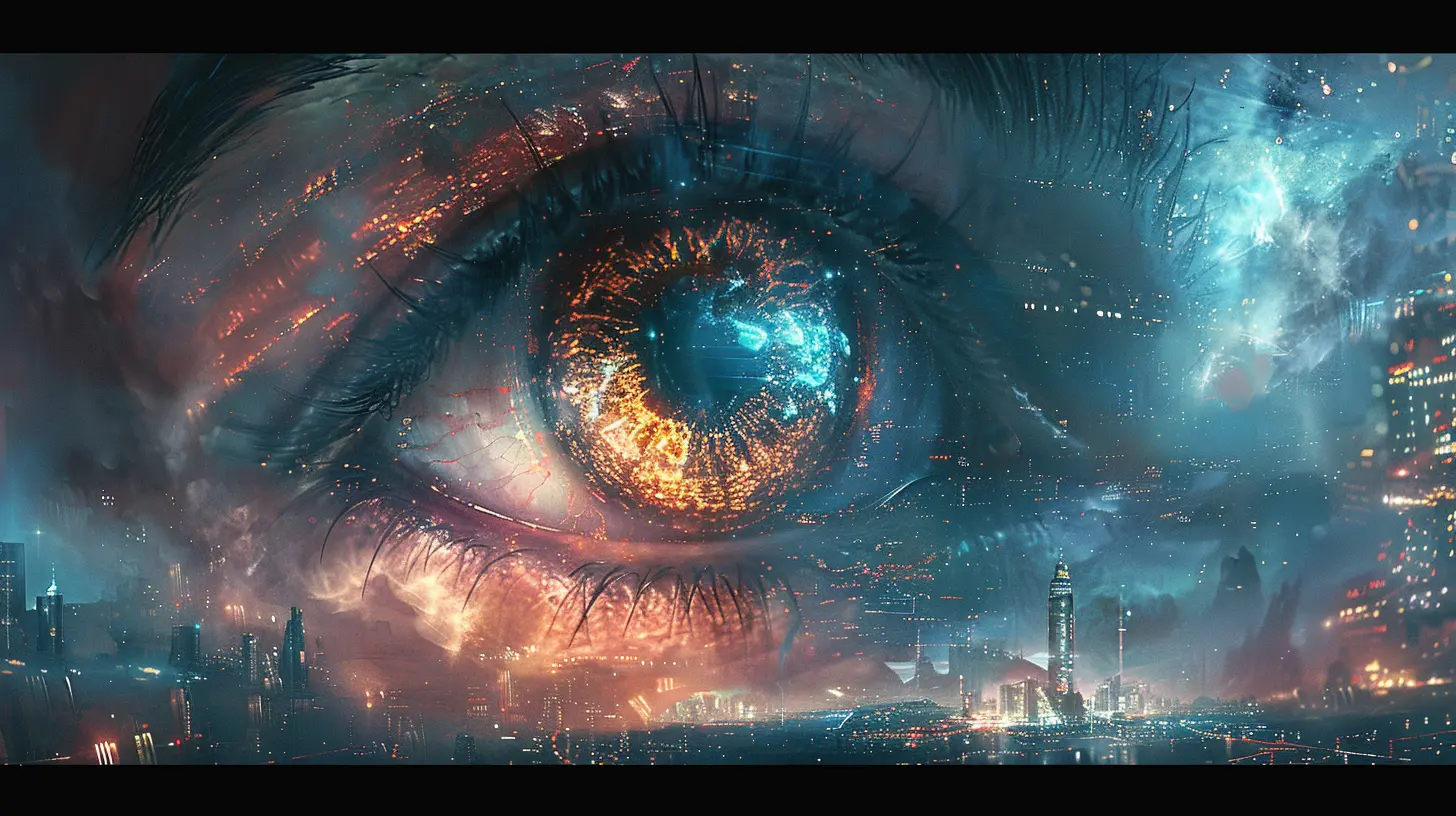
? Digital Art: Not Just a Trend, But a Tech-Powered Revolution
Before we get into the nitty-gritty tech stuff, let’s get one thing straight. Digital art is not some trendy phase that's gonna fade like skinny jeans (RIP). It’s a full-blown artistic revolution, backed by some serious tech muscle.From mind-blowing AI creations to blockchain-powered ownership, artists are using cutting-edge tools to push creative boundaries. Traditional art had its Renaissance. This? This is our Digital Renaissance.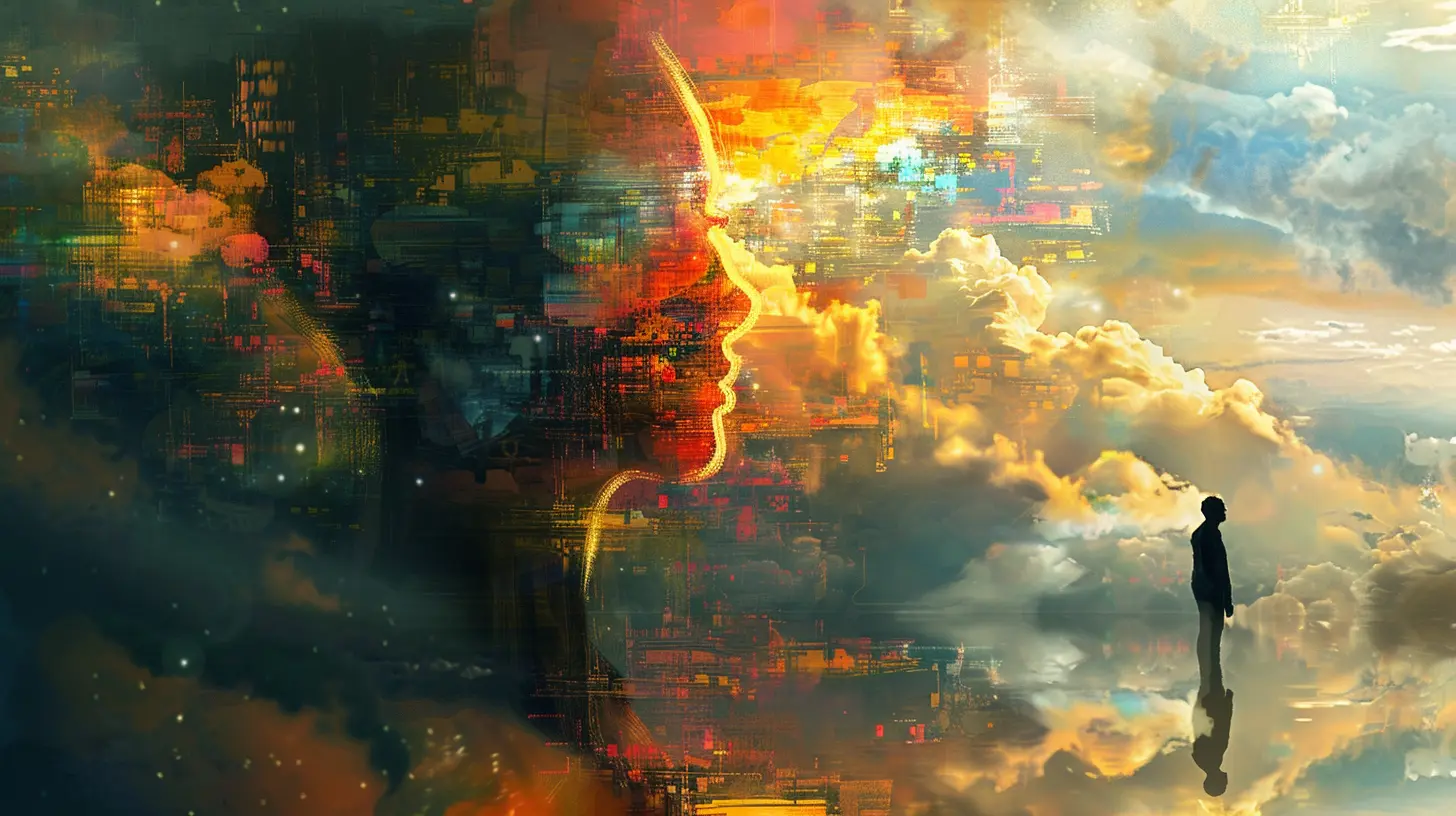
? AI Is Getting Artsy (And We Kinda Love It)
Let’s talk Artificial Intelligence — a.k.a. that thing you once thought only belonged in sci-fi movies. Fast forward to now, and AI is painting, designing, animating, and even collaborating with human artists.? AI + Human = Creative Tag Team
AI tools like DALL·E, Midjourney, and DeepArt are pumping out jaw-dropping visuals with just a few text prompts. That’s right — you type “a llama doing yoga on Mars in Picasso style,” and BAM, out comes a masterpiece.But don’t freak out thinking AI is stealing jobs. Instead, think of it as your digital sidekick, helping you brainstorm faster, prototype cooler ideas, or turn your creative juices into digital magic way faster than before.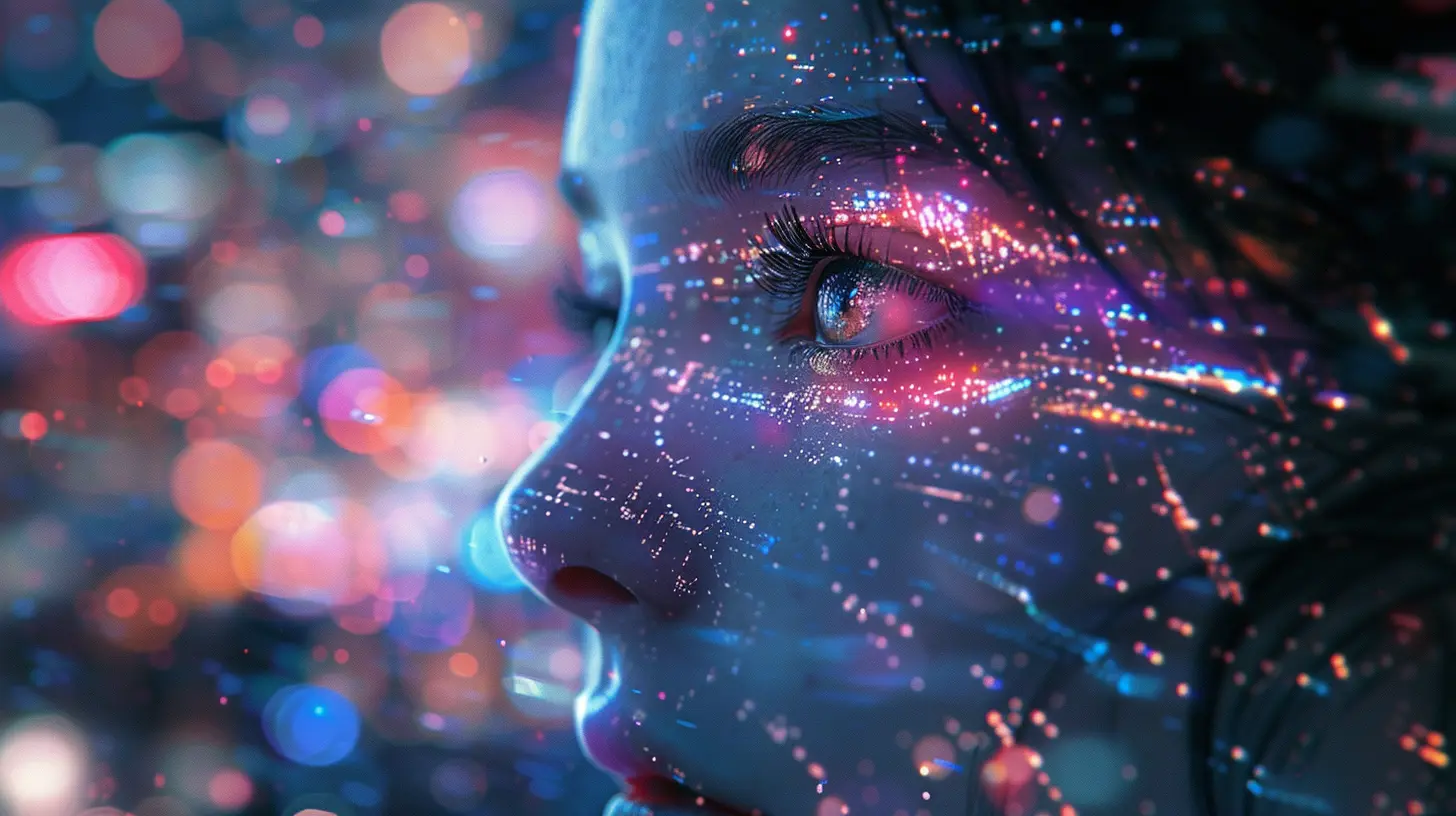
✍️ From Stylus to Masterpiece: The Rise of Digital Drawing Tablets
Pens and pencils? Cute. But digital artists in 2024 are rocking styluses and pressure-sensitive tablets like Wacom, iPad Pro with Apple Pencil, and Huion Kanvas — tools that feel just like sketching on paper but come with an Undo button (bless).?️ Why Digital Tools Are a Game-Changer
- Infinite Canvas: No running out of paper here, folks.- Custom Brushes & Textures: Want your painting to look like watercolor but in neon? There’s a brush for that.
- Layers: It’s like Photoshop gave birth to magic. You can work non-destructively and edit like a boss.
Digital art tools give creators flexibility, speed, and the freedom to experiment without fear. One mistake? Ctrl+Z. Boom. Fixed.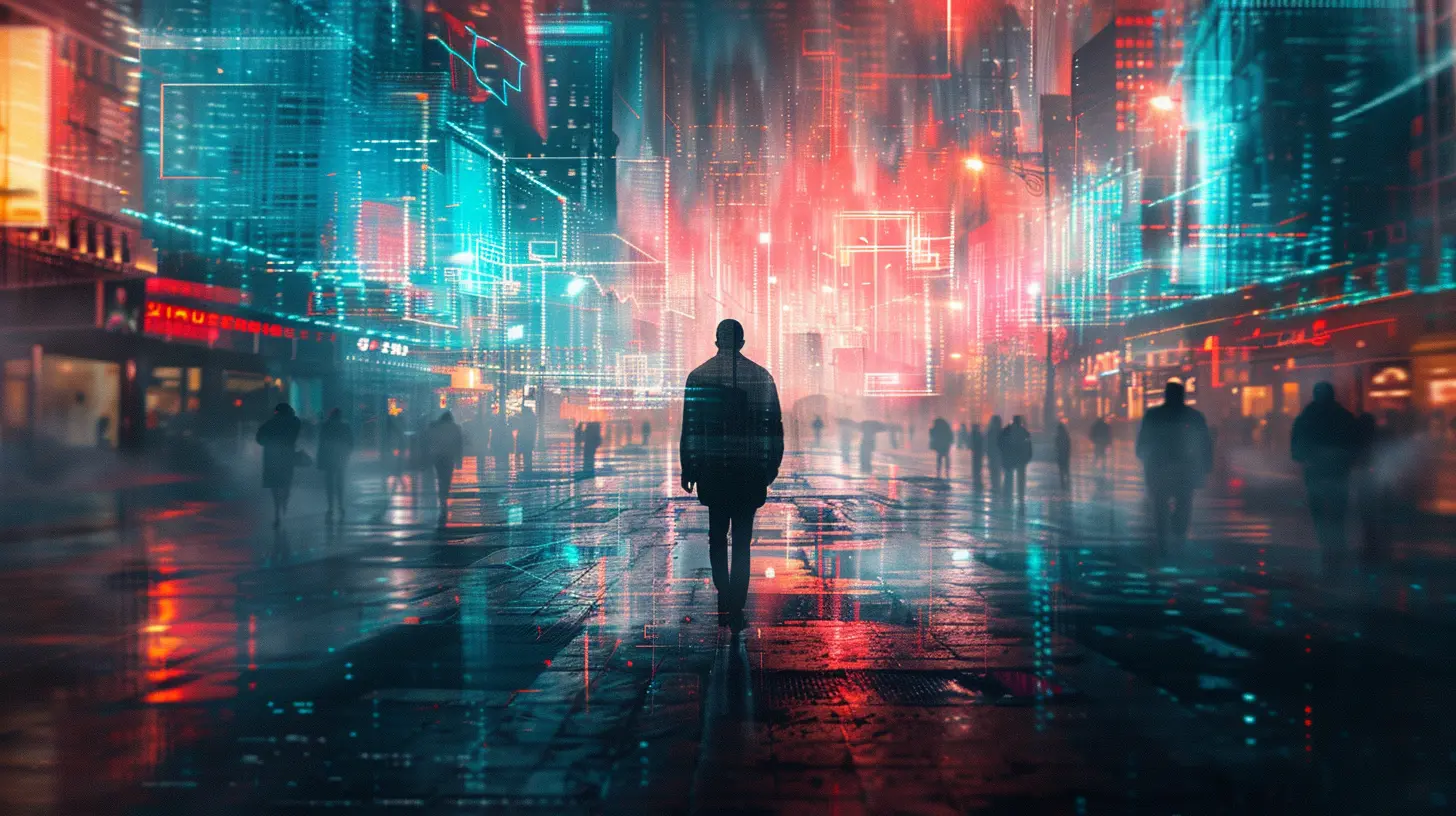
? NFTs: Because Digital Art Deserves to Be Ownable
First things first — NFTs (Non-Fungible Tokens) are NOT just about overpriced pixel art and crypto bros shouting “WAGMI.”In the digital art world, they’re a game-changer.
? Finally, Artists Can Own (and Sell) Their Work
Before NFTs, digital art was easy to copy, screenshot, and share — which is cool, but tricky for copyright. Now? Artists can mint their art on blockchain, proving ownership and authenticity. They can even earn royalties every time the piece is resold. Think of it like art with a built-in paycheck.Yep, tech literally made it possible to ‘own’ a digital JPEG in the same way you’d own a Van Gogh. Mind = blown.
? Virtual Reality: The Ultimate Artsy Escape
Why limit yourself to flat canvases when you can create IN 3D? Virtual Reality (VR) is reshaping what it even means to “make” or “experience” art.?️ Paint in Space. Literally.
With apps like Tilt Brush (thanks, Google) and Gravity Sketch, artists can paint in 3D spaces — like sculpting with neon lights in midair. It's like being inside your own imagination. Wild.And it’s not just about creating. VR art galleries are a thing now. You can walk through a digital museum from your living room. No jet lag. No pants. Just pure, immersive artgasm.
? Social Media + Digital Art = Creative Power Combo
Instagram, Behance, TikTok, ArtStation — these platforms are like rocket fuel for digital artists.Back in the day, an artist had to pray their work would hang in a gallery. Now? Go viral on Instagram and boom — millions of eyeballs.
?♀️ Visibility = Value
Tech has turned the artist into the brand. You’re not just posting pretty pixels; you’re building a community, selling merch, taking commissions, launching Kickstarter projects, and maybe even becoming the next big digital art influencer.Your phone is now your studio, your gallery, and your marketing machine. Who needs gatekeepers when you’ve got Wi-Fi?
? 3D Modeling and CGI: Digital Art on Steroids
Let’s not leave out our 3D wizards. With tools like Blender, Maya, and ZBrush, artists are creating hyperreal sculptures, animated films, and entire digital worlds.Game developers, animators, architects — heck, even fashion designers are using 3D art to prototype, visualize, and wow the crowd.
? Virtual Comes to Life
Want to design a sci-fi city or a fantasy dragon in motion? 3D art makes it possible. It’s not just for entertainment either — industries like healthcare and engineering use digital modeling for simulations and training.So yeah, your gaming obsession might actually be a career starter (take that, Mom).
? Generative Art: When Code Becomes Canvas
Here’s one for the geeks-with-aesthetic.Generative art is when artists write code that creates art — think of it as programming creativity. Using algorithms, randomness, and math, artists can generate endless variations of a design.
? Controlled Chaos
Tools like Processing, p5.js, and TouchDesigner help creators blur the line between design and code. The result? Hypnotic, mesmerizing visuals that react in real time to sounds, movements, or data.Talk about art that vibes with you — literally.
?️ Collaboration & Cloud Tools: United We Create
Remember when collaborating meant mailing sketches back and forth? Ew. Today, tech makes working together seamless, even if you’re continents apart.? Real-Time Co-Creation
- Figma: Design with others in real time.- Procreate + AirDrop: Pass files like digital hot potatoes.
- Google Drive / Dropbox: Your backups are safe in the cloud. God bless.
Plus, online platforms like DeviantArt, Behance, and Dribbble help artists get feedback, find collabs, and build creative tribes.
⏱️ Automation Makes the Boring Stuff Vanish
No one gets into art to spend hours cropping, resizing, or exporting files to 10 different formats. Thankfully, automation tools are taking over that soul-sucking stuff.?️ Tools That Save Your Sanity
- Canva + Templates: Fast, fab-looking designs in minutes.- Batch Processing (Photoshop/Lightroom): Resize or edit hundreds of images with one click.
- IFTTT / Zapier: Link your fave apps and make ‘em work together.
The goal? Less grunt work, more creative flow. Work smarter, not harder, artist fam.
? Augmented Reality: Art That Jumps Into Your World
AR is like the cool cousin of VR. Instead of escaping into a digital world, AR brings digital goodies into the real world.Snapchat filters? AR. That mural that moves when you scan it with your phone? AR. That try-before-you-buy virtual artwork on your wall? You guessed it. AR.
? Make Your Art Interactive AF
AR allows artists to add layers to reality. It’s not just visual — it’s experiential. You can build interactive installations, digital murals, or magic portals that open on Instagram thanks to Spark AR or Adobe Aero.Art is no longer passive. It’s a playground.
? The Road Ahead: What’s Next in Digital Art?
Let’s get a little futuristic, shall we?We’re talking AI-trained personal assistants that can paint your moods, brain-computer interfaces that let you draw with your thoughts (not ?), and art that changes based on your environment or emotions.
The lines between art, tech, and life are blurring big time. The question is: are you gonna watch from the sidelines or grab your stylus and get messy?
? Final Thoughts: Embrace the Chaos, Ride the Wave
Look, the digital art world is messy, fast, and always changing. But that’s what makes it so damn exciting. Tech isn’t replacing artists — it’s supercharging them.So whether you’re sketching on your iPad, minting NFTs, or painting with VR goggles strapped to your face, one thing’s for sure: tech has not just transformed digital art.
It unleashed it.
And the best part? We’re just getting started.
all images in this post were generated using AI tools
Category:
Tech InnovationsAuthor:
Adeline Taylor
Discussion
rate this article
2 comments
Jinx Clark
As digital art evolves, a silent revolution brews beneath the surface. What new pathways will technology carve for creativity? Keep an eye on the horizon; the future holds secrets waiting to be unveiled...
September 1, 2026 at 11:52 AM
Kenneth Morris
It's inspiring to see how technology is reshaping digital art, empowering creators to explore new possibilities. Embrace these advancements and let your creativity flow. The future of art is bright and full of potential!
June 17, 2026 at 2:49 AM
Adeline Taylor
I completely agree. The intersection of technology and art is opening exciting doors for creators, and I can't wait to see what emerges next.