Key Algorithms Driving Quantum Computing Innovation
26 February 2026
Quantum computing. Sounds futuristic, right? Like something straight out of a sci-fi movie where machines think faster than human brains. But here's the kicker — it's no longer just a far-fetched fantasy. It's happening right now. And at the heart of this quantum revolution? Algorithms. Not just any algorithms — the key ones that are literally reshaping how we solve problems we once thought were unsolvable.
If you’ve ever wondered how quantum computers promise to revolutionize cybersecurity, drug discovery, artificial intelligence, and even climate modeling, you're not alone. The secret sauce lies in the unique algorithms powering these mind-blowing machines.
In this article, we’ll take a deep dive into the key algorithms driving quantum computing innovation. We’ll walk you through what they are, what they do, and why they matter — all in plain English (well, mostly). Ready to have your brain stretched in the best way possible? Let’s dive in.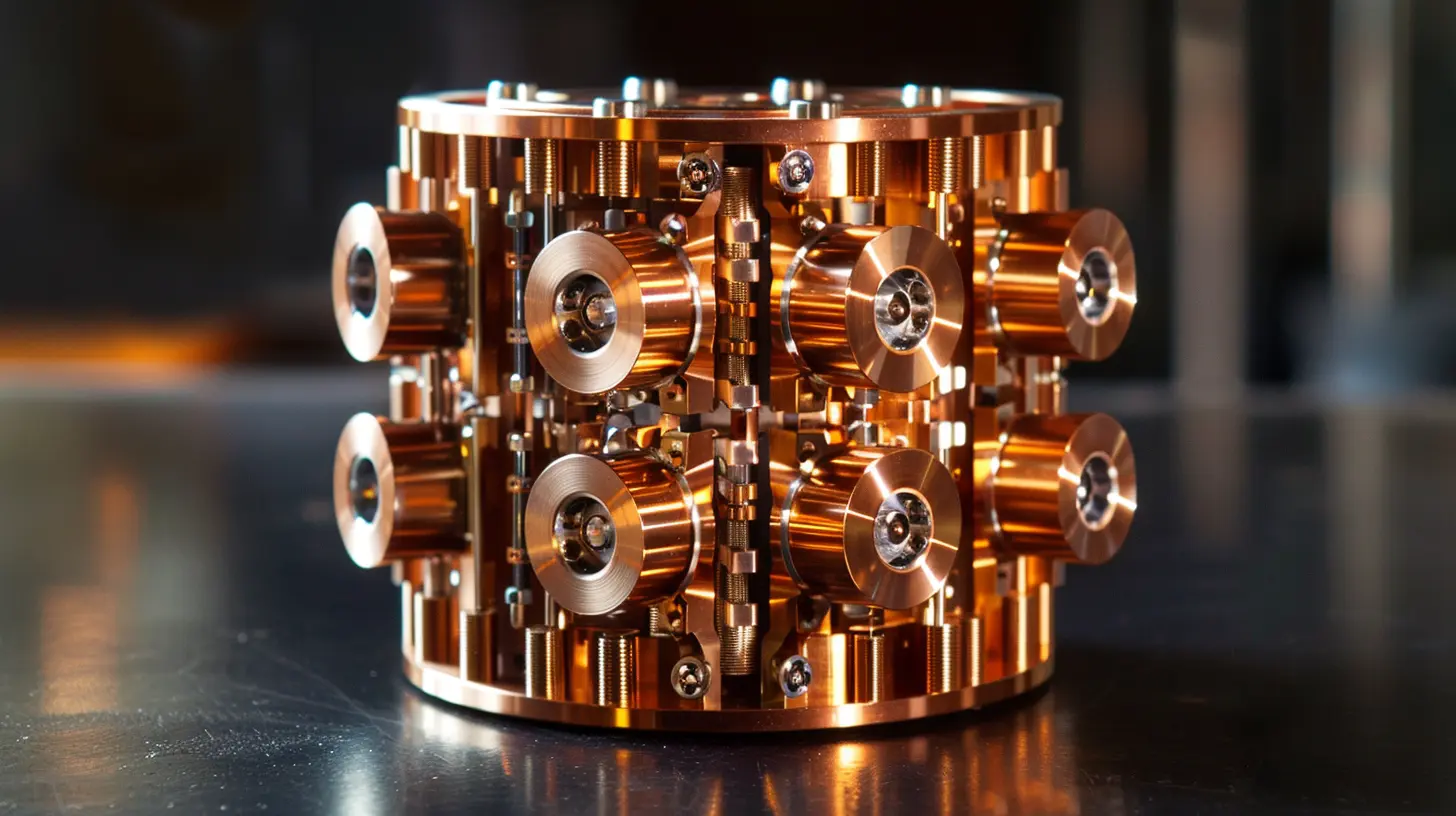
What Makes Quantum Algorithms So Special?
Before we geek out on the actual algorithms, let’s make a pit stop and answer a basic question — what’s so different about quantum algorithms compared to classical ones?In classical computing, information is stored in bits — either 0 or 1. Quantum computing, on the other hand, uses quantum bits or “qubits,” which can be both 0 and 1 at the same time (thanks to quantum superposition). And that means quantum computers can process exponentially more data compared to classical machines.
Think of it like this — if classical computing is a flashlight, quantum computing is a floodlight. That’s the kind of leap we’re talking about.
Now, onto the stars of the show — the algorithms.
1. Shor’s Algorithm — The Codebreaker
Let’s kick things off with Shor’s Algorithm — the one that scares the living daylights out of cybersecurity folks.What It Does:
It efficiently factors large numbers into primes — something classical computers struggle with when the numbers get huge.Why It Matters:
Most encryption methods used today (like RSA) are based on the difficulty of factoring large numbers. Shor’s Algorithm can break RSA encryption in a heartbeat on a powerful enough quantum computer. That means once quantum becomes mainstream, current security protocols could become obsolete overnight.Real-World Impact:
- Could force the entire internet to adopt post-quantum cryptography.- Governments and tech firms are racing to create encryption that can survive the quantum age.
Scary? Yes. Fascinating? Absolutely.
2. Grover’s Algorithm — The Master Searcher
Ever tried to find a name in a phone book with no idea where it is? Well, Grover’s Algorithm is like having a magical shortcut.What It Does:
It speeds up unsorted database searches from O(n) to O(√n). That might not sound like much, but in computing terms, that’s like going from a horse-drawn carriage to a rocket ship.Why It Matters:
While not as explosive as Shor’s in its implications, Grover’s is versatile. It can be plugged into almost any brute-force scenario — from cracking passwords to optimizing logistics.Use Cases:
- Faster data search- Reducing time in optimization problems
- Enhancing machine learning models with faster pattern recognition
Here's a simple analogy: If classical searching is like flipping through every page of a book, Grover’s is like magically flipping directly to the right one.
3. Quantum Fourier Transform (QFT) — The Precision Calculator
If math had celebrities, Quantum Fourier Transform would be an A-lister.What It Does:
It transforms a quantum state into its frequency components — a crucial operation for many quantum algorithms, including Shor’s.Why It Matters:
QFT is foundational. Without it, several quantum algorithms wouldn't even exist. It enables accurate signal processing, optimization, and even some forms of simulation.Example Applications:
- Signal analysis- Quantum simulations
- Laying the groundwork for future algorithms
Think of QFT as the secret blueprint behind an architectural masterpiece. Most people don’t see it, but without it, the building falls apart.
4. Variational Quantum Eigensolver (VQE) — The Chemist’s New Best Friend
This one’s a bit niche, but incredibly powerful.What It Does:
VQE finds the lowest energy state (or "ground state") of molecules. It’s a hybrid algorithm, which means it blends quantum and classical computing.Why It Matters:
Understanding molecular ground states is vital for chemistry and materials science. VQE lets you simulate molecules that are too complex for classical computers.Huge Impacts Include:
- Designing new drugs and medicines- Discovering novel materials with unique properties
- Helping solve climate-related issues with better chemical processes
You can think of VQE as the quantum microscope — letting scientists zoom into molecular interactions like never before.
5. Quantum Approximate Optimization Algorithm (QAOA) — The Problem Solver
This one’s for optimization geeks.What It Does:
QAOA tackles combinatorial optimization problems — the kind where you have to find the best combination from a huge set of possibilities.Why It Matters:
From scheduling airline logistics to optimizing traffic flow, these problems are everywhere. QAOA aims to solve them faster and more efficiently using qubits.Real-Life Implications:
- Smarter supply chains- Faster delivery routes
- Better portfolio management in finance
If you've ever tried to schedule a group trip involving multiple cities and flights, QAOA is like having a travel agent with psychic powers.
6. Amplitude Amplification — Boosting Signal, Cutting Noise
This one works behind the scenes but plays a crucial role.What It Does:
It boosts the probability of getting the correct answer in a quantum system. Grover’s Algorithm actually uses this technique.Why It Matters:
Quantum systems are inherently probabilistic. Amplitude amplification helps ensure you don’t need to run the same experiment a million times to get the right answer.Applications:
- Making existing quantum algorithms more efficient- Enhancing fault tolerance in quantum circuits
It’s basically the “autotune” for quantum computing — making sure results come through loud and clear.
7. Quantum Machine Learning Algorithms — The Future is Here
Quantum + AI = Next-level intelligence.What They Do:
Quantum Machine Learning (QML) algorithms aim to run machine learning models on quantum computers. These range from quantum neural networks to quantum support vector machines.Why It Matters:
Some machine learning tasks are incredibly resource-hungry. Quantum versions promise faster training, better accuracy, and the ability to work with monstrous data sets.Game-Changing Use Cases:
- Real-time fraud detection- Predictive analytics
- Personalized healthcare
Imagine AI on steroids. That’s what QML could bring to the table.
Why These Algorithms Aren’t Just Hype
Okay, so these algorithms sound amazing — but are they really usable right now?Yes and no.
We're still in what's called the NISQ era (Noisy Intermediate Scale Quantum), where quantum computers have limitations. Most of the above algorithms are in the experimental or hybrid stage. But make no mistake — the groundwork is being laid. Big names like IBM, Google, and Microsoft are pouring billions into making these algorithms practical.
And when the technology catches up? The world’s going to change.
The Road Ahead: Challenges and Opportunities
Let’s be real — quantum computing isn’t without its hurdles. Qubits are delicate. Noise and decoherence can mess with calculations. Not to mention, building hardware that scales is a nightmare.But with each passing year, we're getting closer. With quantum error correction, better qubit designs, and more robust algorithms, the dream is inching closer to reality.
It’s not a matter of “if” anymore. It’s “when.”
Final Thoughts
Quantum computing isn’t coming — it’s already knocking on our doors. And the algorithms leading the charge are nothing short of revolutionary. From breaking encryption to accelerating AI, optimizing logistics, and simulating molecules, they're setting the stage for a technological leap we’ve never seen before.Whether you're a developer, a data scientist, or just someone who's curious about the future — quantum algorithms are something you’ll want to keep on your radar.
So next time you hear someone say “quantum,” don’t just think of it as a buzzword. Think of it as the future, coded line by line, algorithm by algorithm.
all images in this post were generated using AI tools
Category:
Quantum ComputingAuthor:

Adeline Taylor
Discussion
rate this article
2 comments
Nyxaris Mendez
Exciting insights! Quantum algorithms are truly groundbreaking technology!
February 27, 2026 at 12:08 PM
Adeline Taylor
Thank you! I’m glad you found the insights exciting—quantum algorithms really are poised to transform technology!
Noora Barrett
This article offers a fascinating glimpse into the algorithms shaping the future of quantum computing! I'm curious about how these innovations will revolutionize industries and everyday life. The potential applications are mind-boggling! Looking forward to seeing how these developments unfold in the coming years.
February 26, 2026 at 4:22 AM
Adeline Taylor
Thank you for your insightful comment! It's exciting to explore how these algorithms will indeed transform various industries and everyday life. Stay tuned for more updates on these groundbreaking developments!