Live Streaming Gear That Will Dominate by 2026
6 May 2026
Let me paint you a picture. It's 2026. You're sitting in your home studio, and the gear around you looks almost nothing like the clunky, cable-heavy setups we wrestle with today. Streaming has become so ingrained in how we work, play, and connect that the tools have finally caught up with the ambition. If you're planning to level up your stream before the dust settles, you need to know what's coming. I've been digging through prototypes, talking to engineers, and watching the market trends like a hawk. Here's my honest take on the live streaming gear that will dominate by 2026.
The Shift From "Good Enough" to "Invisible"
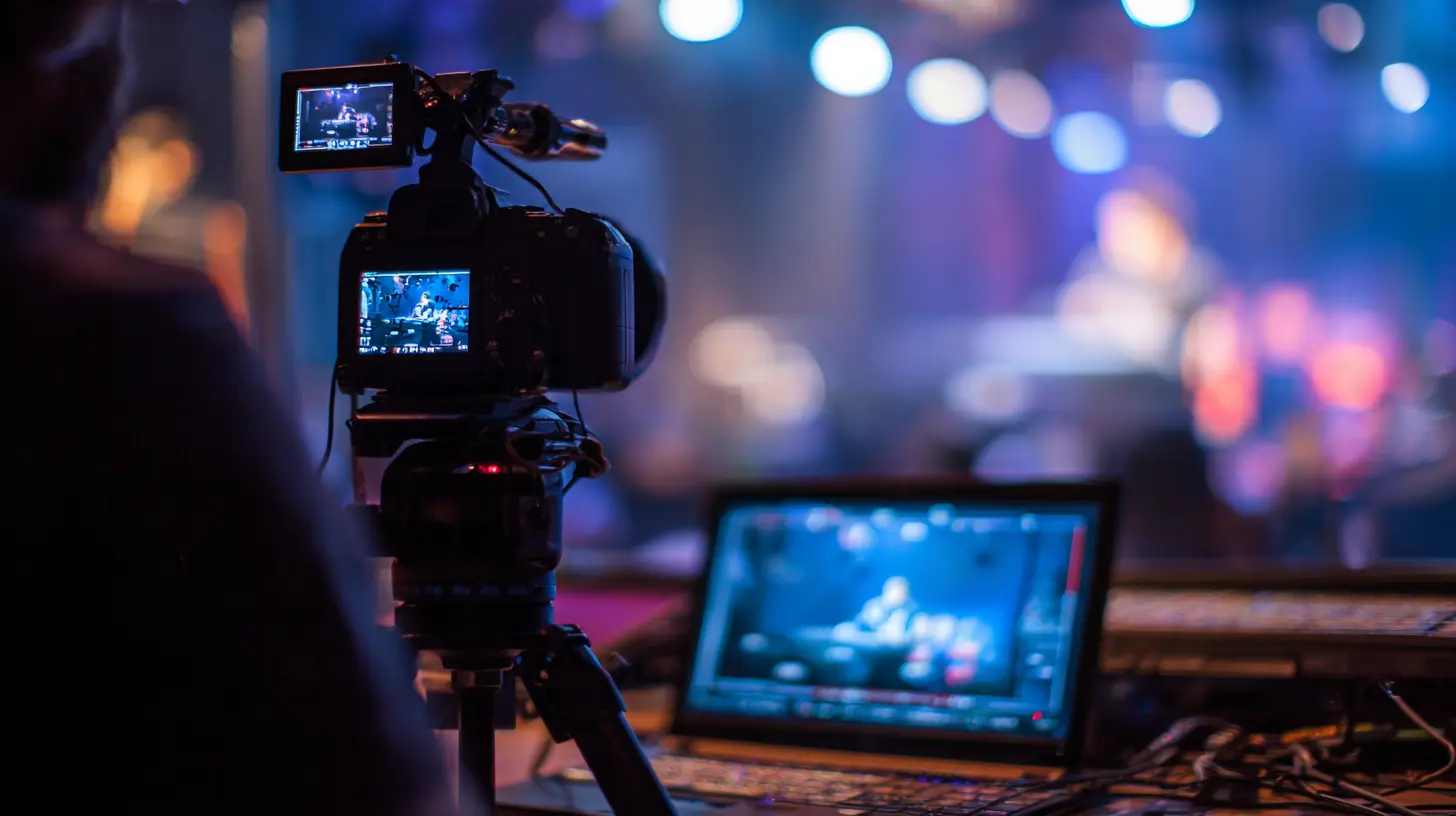
Think about the last time you watched a stream that felt truly professional. Chances are, the tech didn't get in the way. The audio was crisp, the video was sharp, and the streamer seemed to just exist in the moment. That's the direction we're heading. By 2026, gear won't be about adding more buttons and cables. It will be about making the technology disappear. The best gear will feel like an extension of your body, not a separate machine you have to wrestle with.I remember my first streaming setup. It was a mess of USB hubs, tangled XLR cables, and a webcam that overheated after two hours. I spent more time troubleshooting than actually streaming. That era is dying fast. The gear that will dominate in a few years is designed with one goal: get out of the way.
Cameras: The Death of the Webcam as We Know It
Let's be real. Most webcams, even the expensive ones, are still compromised by physics. Small sensors, fixed lenses, and mediocre low-light performance. By 2026, the dedicated webcam as a separate category will be on life support. What will replace it? Two things.First, mirrorless cameras that talk directly to your computer without capture cards. We're already seeing this with Sony and Canon making strides in USB-C video output that doesn't require a separate encoder. By 2026, virtually every mid-range mirrorless camera will offer plug-and-play 4K at 60 frames per second over a single cable. No more fiddling with HDMI capture cards that add latency and fail at the worst moments.
Second, and this is where it gets wild, software-defined cameras. Imagine a camera that uses AI to frame you perfectly, track your movements, and adjust exposure on the fly without you touching a dial. These are already in development. They use a wide-angle sensor and then digitally crop and pan based on your position. It sounds gimmicky, but the quality is getting shockingly good. By 2026, this tech will be standard in the $300 to $500 range. You'll never need to adjust a tripod again.
The secret sauce here is the sensor technology. Sony's stacked CMOS sensors are getting cheaper and more efficient. They handle rolling shutter like a champ, which means you can move around without your background looking like jelly. For streamers, this is a game changer. You can stand up, walk to a whiteboard, or grab a prop, and the image stays clean.
Audio: The Quiet Revolution
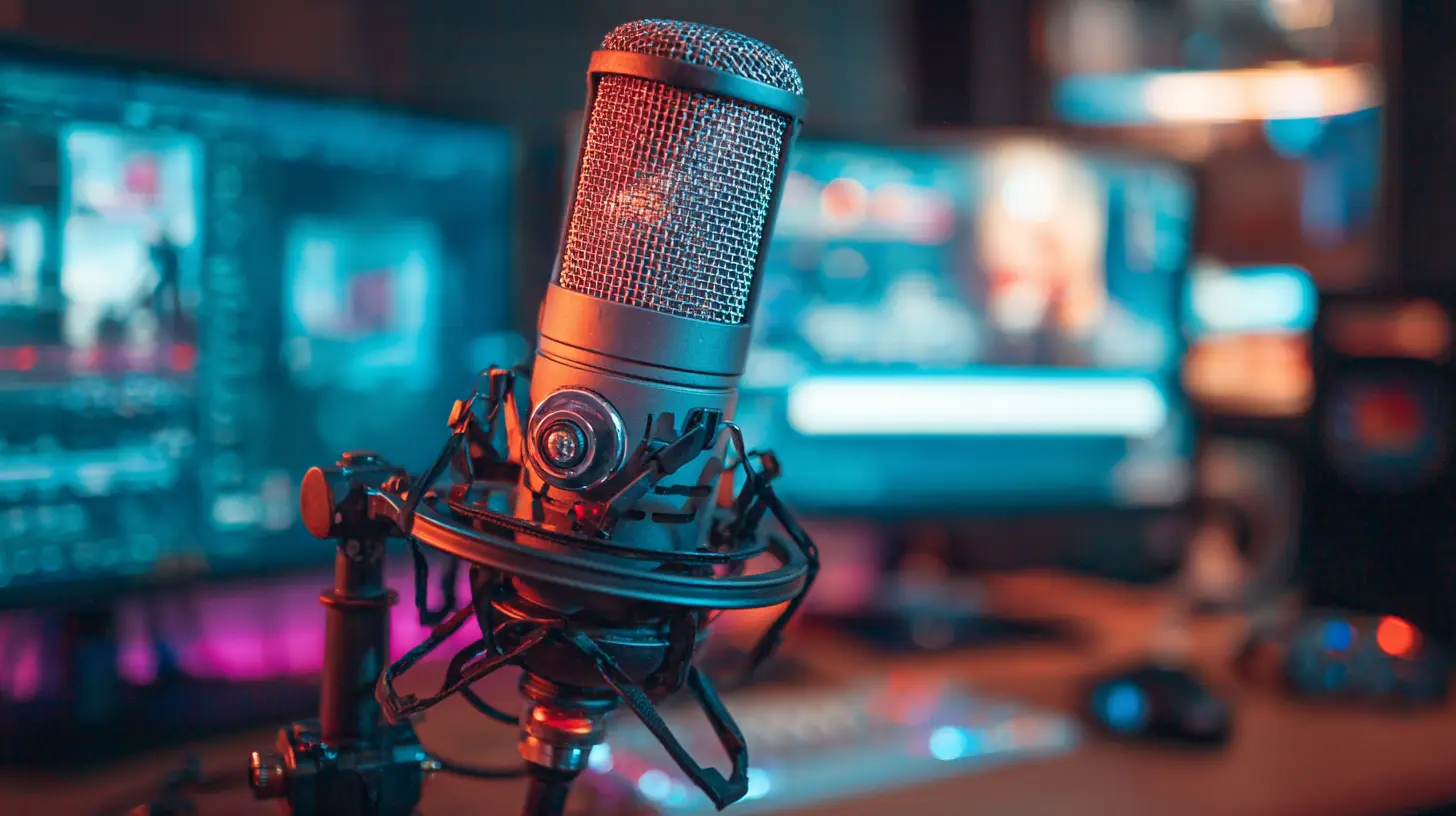
If there's one thing that separates an amateur stream from a professional one, it's audio. Viewers will forgive a slightly soft video, but they'll click away in seconds if the audio is hollow, echoey, or full of background noise. By 2026, the gear that dominates will focus on two things: intelligent noise rejection and wireless freedom.The days of bulky shotgun mics and giant pop filters are numbered. We're already seeing the rise of AI-powered microphone processing. Companies like Shure and Rode are embedding DSP chips directly into their microphones that can filter out a vacuum cleaner, a barking dog, or a keyboard clatter in real time. By 2026, this will be standard even in budget mics. You'll be able to stream from a coffee shop or a noisy dorm room and sound like you're in a treated studio.
Wireless lavalier mics are also getting a massive upgrade. The new generation uses ultra-wideband technology, which is far more stable than traditional Bluetooth. No dropouts, no latency, and battery life measured in days, not hours. For streamers who move around or do IRL (in-real-life) streaming, this is a no-brainer. You'll clip a tiny mic to your collar, and it will just work. No transmitters in your pocket, no cables snaking up your shirt.
But the real sleeper hit in audio will be ambient microphones. These are small, omnidirectional mics that capture the room tone. Combined with AI, they can actually enhance your voice by analyzing the room's acoustics and applying corrective EQ in real time. It's like having a sound engineer sitting next to you, but it's a tiny chip inside your mic.
Lighting: Smarter, Not Brighter
I used to think lighting was about raw power. More lumens equals better video, right? Wrong. By 2026, the best lighting gear will be about control and intelligence. We're moving away from giant softboxes that take up half your desk and toward compact, programmable LED panels that adapt to your environment.The big trend is color-tunable, app-controlled lights that sync with your stream. Imagine a light that automatically adjusts its color temperature based on the time of day, so your skin tone always looks natural. Or a light that changes hue when you get a new follower or a raid. That's already happening, but by 2026, it will be seamless. No more fumbling with gels or dimmers.
Another innovation is "smart key lighting." These are small, focused lights that sit right above your monitor and use a parabolic reflector to create a soft, flattering beam without spilling onto your screen. They're barely noticeable, but they make your eyes pop and eliminate those harsh shadows under your chin. The best part? They're powered over USB-C, so no wall warts.
For streamers who want that cinematic look, we'll see affordable bi-color LED tubes that you can stick to walls or stands. They're flexible, lightweight, and can simulate everything from a sunset to a neon sign. By 2026, lighting will be less about hardware and more about software presets. You'll download a "mood" from a community library, and your lights will replicate it perfectly.
Encoding and Streaming Hardware: The Rise of the All-in-One
The heart of any streaming setup is the encoder. Right now, most streamers use a powerful PC with software like OBS or Streamlabs. But that's changing. By 2026, dedicated streaming consoles will become the norm for serious streamers. Think of them as the Nintendo Switch of streaming: purpose-built, quiet, and efficient.These devices will combine a capture card, an encoder, a mixer, and a small touchscreen interface into one box. You'll plug in your camera, mic, and monitor, and the device will handle all the heavy lifting. No more juggling CPU resources between a game and encoding. These consoles will use custom chips that can encode 4K HDR at low bitrates without breaking a sweat. They'll also include built-in Wi-Fi 7 and Ethernet, so your connection is rock solid.
The key advantage is reliability. If your gaming PC crashes, your stream keeps going because the encoding is on a separate device. For professional streamers, that's worth its weight in gold. By 2026, these consoles will be priced competitively, around $400 to $800, making them accessible to serious hobbyists.
But let's not forget software. OBS is getting a massive overhaul. By 2026, it will likely include native support for hardware acceleration on all major GPUs, AI-powered scene transitions, and real-time language translation for your chat. The line between hardware and software will blur. You'll control everything from a single dashboard, whether it's on your phone or a dedicated tablet.
Connectivity and Power: The Cable-Free Dream
Cables are the bane of every streamer's existence. They tangle, they fail, and they limit where you can place your gear. By 2026, wireless connectivity will finally be fast and reliable enough to replace most cables.We're talking about Wi-Fi 7 and the new ultra-wideband standards. These technologies offer latencies under one millisecond and bandwidth that rivals wired connections. Your camera will stream 4K video wirelessly to your encoder. Your microphone will connect without a receiver. Your lights will sync over a mesh network. The only cable you'll need is the power cord for your main device.
Battery technology is also getting a boost. The new solid-state batteries are lighter, safer, and hold more charge. By 2026, a small battery pack will power your entire mobile streaming rig for eight hours. For IRL streamers, this is a revolution. You'll be able to walk through a city, stream in 4K, and never worry about finding an outlet.
Power over Ethernet (PoE) is another unsung hero. It's already used in professional broadcast, but it's trickling down to consumer gear. By 2026, many cameras, lights, and audio interfaces will accept power and data over a single Ethernet cable. For a permanent home studio, this means cleaner setups and fewer power bricks.
The Software Layer: AI That Actually Helps
Here's where things get really interesting. The gear itself is only half the story. The software that runs it will be the true differentiator. By 2026, AI will be baked into every piece of streaming equipment. Not the creepy, dystopian kind, but the practical kind that makes your life easier.Imagine a camera that automatically adjusts its focus and exposure based on the content of your stream. If you hold up a product, the camera knows to shift focus to your hand. If you lean back, it zooms out slightly. This isn't science fiction. It's already being tested in high-end broadcast cameras. By 2026, it will be in your webcam.
Audio AI will automatically balance your voice with game audio or background music. You won't need a compressor or a limiter. The software will listen to your stream and adjust levels in real time to keep everything clear. It will also detect and mute any audio glitches before they reach your audience.
Chat integration will also get smarter. Instead of just displaying messages on screen, your gear will use AI to highlight important comments, filter out spam, and even generate visual reactions based on the mood of the chat. It's like having a moderator and a producer built into your stream.
The Budget Reality: What You Can Actually Afford
I know what you're thinking. "This all sounds expensive." And you're right, some of it will be. But here's the truth: by 2026, the price of entry will actually drop. The technology that costs thousands today will be commoditized. The $200 camera you buy in 2026 will outperform the $1,000 camera you bought in 2023. That's just how tech works.The real investment will be in the software and the ecosystem. You'll pay a monthly subscription for the AI features, the cloud storage, and the analytics. But the hardware itself will become cheaper and more reliable. The days of needing a $3,000 PC to stream are ending. A $600 dedicated streaming console and a $400 camera will give you a professional setup.
For beginners, the barrier to entry will be lower than ever. You'll be able to start with a single all-in-one device that includes a camera, mic, and encoder in one sleek package. It won't be perfect, but it will be good enough to start building an audience. As you grow, you can add better components without starting from scratch.
The Human Element: Why Gear Still Matters
Here's the part I want you to remember. Gear is important, but it's not the most important thing. The best camera in the world won't make you a better storyteller. The cleanest audio won't fix boring content. But the right gear can remove the friction that keeps you from focusing on what matters: connecting with your audience.By 2026, the gear that dominates will be the gear that fades into the background. It will be reliable, smart, and easy to use. It won't demand your attention. It will let you be present in the moment, whether you're playing a game, teaching a skill, or just hanging out with your community.
So, if you're planning your next upgrade, think about what's coming. Don't invest in tech that's already at the end of its life. Look for gear that's modular, software-upgradable, and built for the wireless, AI-driven future. The streams that will dominate in 2026 are being built right now. Make sure your setup is ready for them.
all images in this post were generated using AI tools
Category:
Tech For CreatorsAuthor:

Adeline Taylor
Discussion
rate this article
2 comments
Thaddeus Ruiz
As technology evolves, the future of live streaming holds secrets waiting to be revealed. What unseen innovations and hidden capabilities will emerge from the shadows by 2026? Keep an eye on the horizon, as the game changers are just beginning to surface...
June 7, 2026 at 12:55 PM
Adeline Taylor
You're right, the possibilities are exciting. New tech will definitely transform how we stream and connect. I can't wait to see what emerges.
Eloise Horne
As technology evolves, expect gear that enhances interactivity and accessibility to shape the future of live streaming.
May 12, 2026 at 4:36 AM
Adeline Taylor
Absolutely! The future of live streaming is all about enhancing user experience through innovative gear. Exciting times ahead!