The Next Wave of Wearables Will Be Unnoticeable
7 November 2026
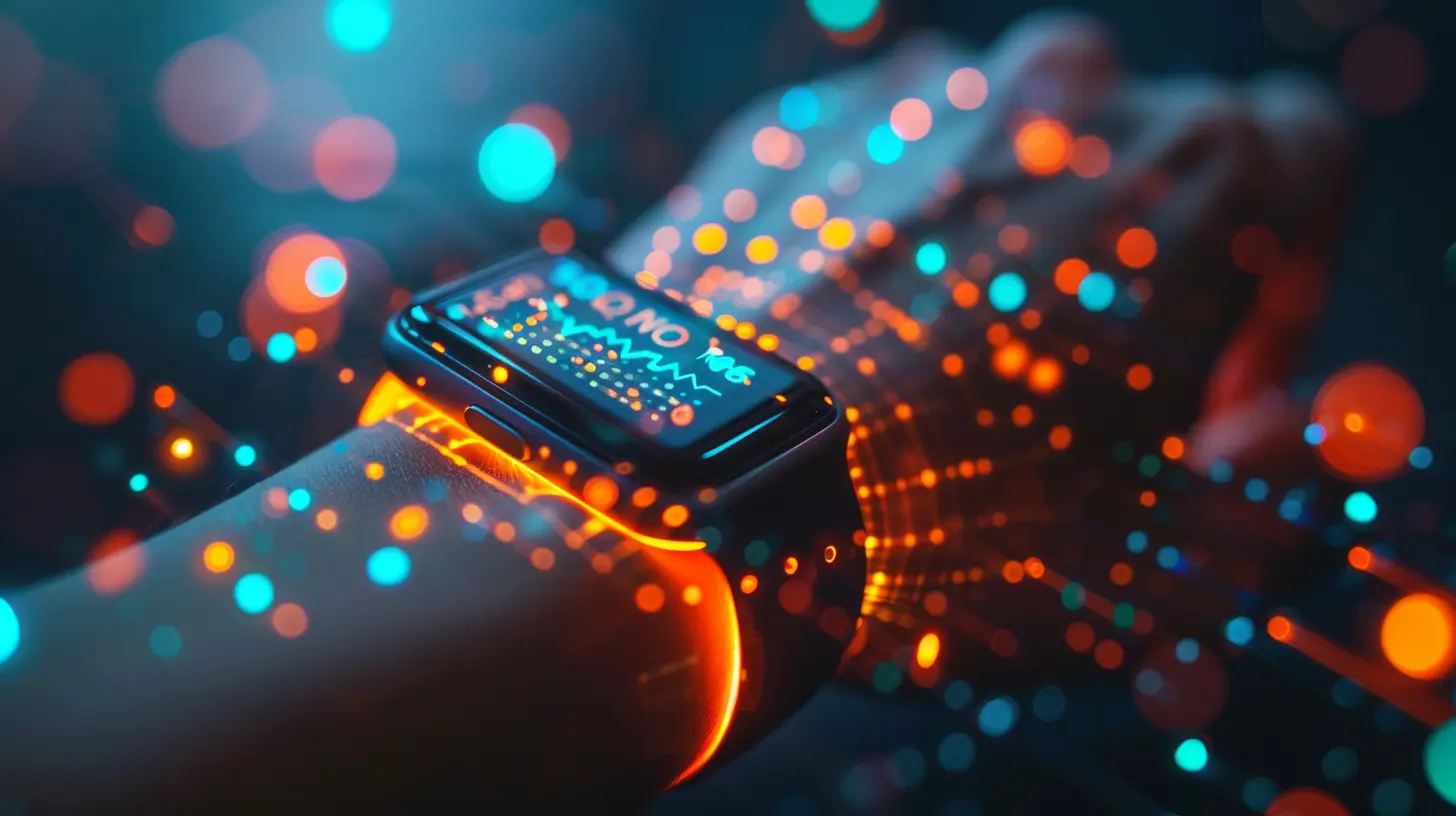
The evolution of wearable technology has been nothing short of remarkable. From the bulky fitness trackers of the past to sleek smartwatches, the journey has been characterized by a relentless pursuit of convenience and functionality. However, the next wave of wearables is set to take a different approach-one that prioritizes invisibility. Instead of devices that are worn on the wrist or clipped to clothing, the future of wearables will be about technology that seamlessly integrates into our daily lives, becoming nearly unnoticeable while enhancing our experience.
The Shift Toward Discreet Technology
Why Discreet Wearables Matter
The demand for discreet wearables stems from a few critical factors. First, there is a growing desire for technology that does not distract from daily life. Many users want the benefits of wearables-like health tracking and notifications-without the constant reminder of a device on their body. Second, as technology becomes more advanced, users expect seamless integration into their lifestyles. The goal is to enhance experiences rather than complicate them.Examples of Current Discreet Wearables
Several companies are already paving the way for this new approach. For instance, smart clothing embedded with sensors that monitor heart rate or body temperature is becoming more common. These garments can provide health insights without the need for separate devices. Similarly, smart jewelry, such as rings that can track fitness or alert users to notifications, offers functionality without the bulk of traditional wearables.
The Technology Behind Unnoticeable Wearables
Miniaturization and Materials Innovation
To achieve the goal of unnoticeable wearables, advancements in miniaturization and materials science are crucial. Modern sensors can now be made smaller while maintaining or even improving their accuracy. For example, flexible electronics can be integrated into fabrics, allowing for wearables that are both lightweight and unobtrusive.Embedded Sensors and IoT Integration
The Internet of Things (IoT) plays a significant role in the development of discreet wearables. By embedding sensors into everyday objects-like shoes, clothing, or even furniture-developers can create a network of devices that communicate with each other. This integration allows for a more holistic approach to health monitoring and data collection.Energy Efficiency and Power Sources
Energy efficiency is another critical factor. Future wearables will rely on advanced power sources, such as energy harvesting technologies that convert body heat or movement into energy. This innovation means that devices can run longer without the need for frequent charging, making them even less noticeable in daily life.
Practical Applications of Unnoticeable Wearables
Health Monitoring
One of the most promising applications of discreet wearables is in health monitoring. Continuous health tracking can provide valuable insights into a person's well-being without the need for constant attention to a device. For instance, smart fabrics that monitor vital signs can alert users to potential health issues in real time.Enhanced Communication
Imagine a world where notifications are integrated into your clothing. Smart textiles could vibrate or change color to alert users to incoming messages or calls. This kind of discreet communication allows users to stay connected without being distracted by a phone or smartwatch.Workplace Integration
In professional settings, unnoticeable wearables could enhance productivity. Embedded sensors in clothing or accessories could monitor stress levels, posture, or even focus, providing feedback that helps employees optimize their performance. Such integration could lead to healthier workplace environments and improved employee well-being.
Challenges and Considerations
Privacy and Data Security
As with any technology that collects data, privacy and security are significant concerns. Users must be aware of how their data is being collected, used, and stored. Transparent data policies and robust security measures will be essential to gain user trust in unnoticeable wearables.User Acceptance and Comfort
For discreet wearables to succeed, they must be comfortable and accepted by users. This involves not only the physical comfort of the devices but also the psychological acceptance of having technology embedded in everyday items. Companies need to focus on user experience and design to ensure these devices are embraced.Regulatory Hurdles
The introduction of new wearable technologies often comes with regulatory challenges. Health-related wearables must comply with health regulations, which can vary by country. Navigating these regulations will be essential for companies looking to bring unnoticeable wearables to market.Common Misconceptions
Wearables Are Just for Fitness
One common misconception is that wearables are exclusively for fitness enthusiasts. While fitness tracking is a significant application, the potential for unnoticeable wearables extends far beyond health and fitness. These devices can enhance communication, productivity, and even social interactions.More Features Equal Better Devices
Another misconception is that more features automatically make a wearable better. In reality, the effectiveness of a device often lies in its simplicity and ease of use. Unnoticeable wearables should focus on providing essential functions without overwhelming users with unnecessary features.
Best Practices for Consumers
Evaluate Your Needs
Before investing in any wearable technology, it is crucial to assess your needs. Consider what you want from a device-be it health tracking, communication, or productivity enhancement. This evaluation will help you choose the right technology that fits seamlessly into your life.Stay Informed About Privacy Policies
As you explore unnoticeable wearables, stay informed about the privacy policies of the manufacturers. Understanding how your data will be used and protected is essential in this age of digital technology.Test Before You Commit
If possible, test out wearables before making a purchase. Comfort, usability, and functionality can vary significantly between devices. Taking the time to find the right fit ensures a better experience.The Future of Unnoticeable Wearables
Trends to Watch
As we look ahead, several trends are likely to shape the future of unnoticeable wearables. For instance, the rise of artificial intelligence will play a crucial role in personalizing user experiences. AI can analyze data collected from wearables to offer tailored recommendations for health, fitness, and productivity.The Role of Fashion
Fashion will also influence the design and acceptance of unnoticeable wearables. Collaborations between tech companies and fashion brands could lead to stylish, functional products that appeal to a broader audience. The blending of technology and fashion will be key in normalizing discreet wearables.A Holistic Approach to Health
The future of wearables may also see a shift toward a more holistic approach to health. Instead of focusing solely on physical metrics, future devices might incorporate mental health monitoring, offering a comprehensive view of a person's well-being.
Conclusion
The next wave of wearables is poised to redefine how we interact with technology. By prioritizing invisibility and seamless integration into our daily lives, these devices will enhance our experiences without becoming a distraction. As technology continues to advance, the possibilities for unnoticeable wearables are vast, promising a future where health, communication, and productivity are effortlessly woven into the fabric of our lives.
all images in this post were generated using AI tools
Category:
Technology InnovationAuthor:

Adeline Taylor
Discussion
rate this article
1 comments
Reagan Gibson
As technology becomes more integrated into our lives, the challenge will be balancing awareness with seamless functionality and privacy.
November 7, 2026 at 3:49 AM