The Power of Digital Twins for Climate Modeling
10 November 2026
Climate change is one of the most pressing challenges of our time, and the need for effective modeling and simulation tools has never been greater. Digital twins have emerged as a powerful technology in various industries, and their application in climate modeling is both promising and transformative. This article delves into the concept of digital twins, their role in climate modeling, and the implications of their use in addressing climate-related issues.

Understanding Digital Twins
What is a Digital Twin?
A digital twin is a virtual representation of a physical object, process, or system that mirrors its real-world counterpart in real-time. This concept originates from the field of manufacturing and engineering but has expanded into various sectors, including healthcare, urban planning, and environmental science. A digital twin combines data from sensors, simulations, and machine learning algorithms to create an interactive and dynamic model.Key Components of Digital Twins
1. Data Integration: Digital twins rely heavily on data collected from IoT devices, sensors, and other data sources. This data can include environmental conditions, material properties, and operational parameters.2. Real-time Monitoring: A digital twin continuously updates its model based on real-time data, allowing for accurate assessments and predictions.
3. Simulation Capabilities: Beyond mere data representation, digital twins can simulate scenarios, enabling users to test various strategies and responses to changing conditions.
4. Feedback Loop: Digital twins often incorporate a feedback loop, where the outcomes of simulations can inform adjustments in the physical system.

The Role of Digital Twins in Climate Modeling
Enhancing Predictive Capabilities
Digital twins can significantly enhance the predictive capabilities of climate models. Traditional climate models often rely on broad assumptions and generalized data, which can lead to inaccuracies. By utilizing digital twins, researchers can analyze localized climate data, enabling more precise predictions about weather patterns, sea-level rise, and temperature fluctuations.Case Study: Urban Climate Modeling
One compelling example of digital twins in action is in urban climate modeling. Cities are complex environments with unique microclimates. By creating digital twins of urban areas, city planners can simulate the impact of various factors such as green spaces, building materials, and transportation systems on local climate conditions.For instance, the city of Singapore has implemented a digital twin to model its urban environment. This initiative has enabled planners to visualize and predict how changes to urban design can impact heat islands, air quality, and overall climate resilience.
Supporting Policy Decisions
Digital twins can also play a vital role in supporting policy decisions related to climate change. By providing a detailed understanding of potential future scenarios, policymakers can make more informed choices about resource allocation, infrastructure development, and sustainability initiatives.Real-time Climate Monitoring and Response
Another significant advantage of digital twins in climate modeling is their capacity for real-time monitoring and response. For example, agricultural sectors can use digital twins to monitor soil conditions, crop health, and weather patterns. This information allows farmers to make data-driven decisions about irrigation, fertilization, and pest control, ultimately leading to more sustainable farming practices.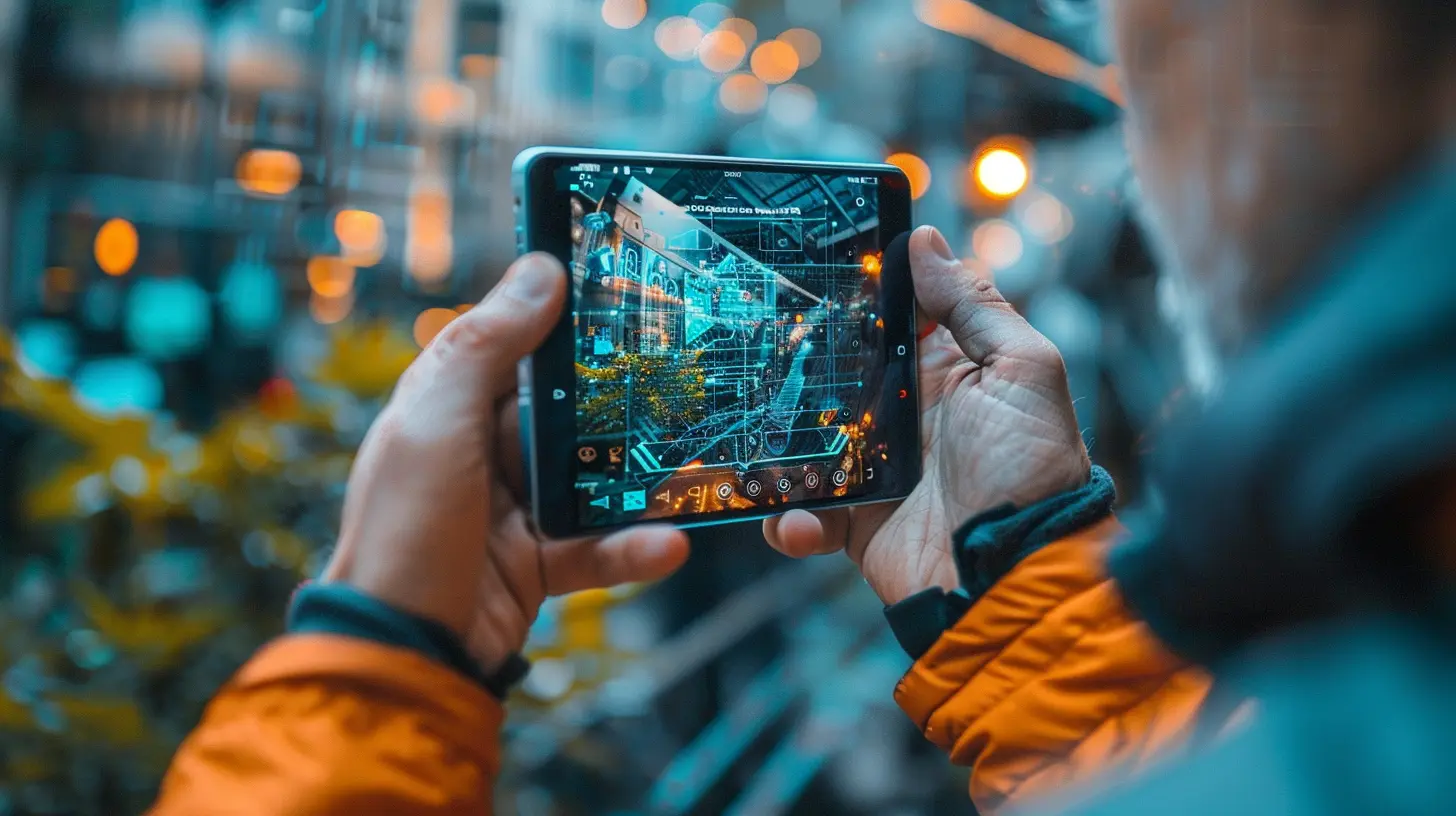
Advantages of Using Digital Twins for Climate Modeling
Improved Accuracy
Digital twins can provide more accurate models by integrating localized data. Traditional climate models often make assumptions based on global data, which may not reflect the unique conditions of a specific region. Digital twins mitigate this issue by allowing for granular analysis.Scenario Testing
Digital twins enable users to run simulations and test various scenarios. This capability is crucial for understanding how different interventions, such as green infrastructure or renewable energy adoption, might influence climate outcomes.Cost-Effectiveness
While creating a digital twin requires upfront investment in technology and data collection, the long-term benefits can outweigh these costs. Improved forecasting can lead to more efficient resource management and reduced disaster response costs.Collaboration and Communication
Digital twins can facilitate collaboration among stakeholders. Their visual and interactive nature allows various groups, from scientists to policymakers, to engage with the data and understand the implications of climate change more effectively.
Challenges and Considerations
Data Privacy and Security
As digital twins rely on extensive data collection, concerns about data privacy and security arise. Organizations must ensure that they comply with regulations and protect sensitive information from unauthorized access.Complexity of Models
Developing a digital twin can be complex and resource-intensive. Organizations need to invest in the right technology, skilled personnel, and data infrastructure. This complexity can be a barrier for smaller organizations or those with limited resources.Over-Reliance on Technology
While digital twins offer powerful insights, there is a risk of over-reliance on technology. Decision-makers should use digital twins as one tool among many in their climate strategy, rather than the sole basis for critical decisions.Best Practices for Implementing Digital Twins in Climate Modeling
Start Small
Organizations should consider starting with a smaller-scale project before expanding to larger systems. This approach allows for testing the technology, understanding its limitations, and refining the model based on initial feedback.Focus on Interoperability
Ensure that digital twins can integrate with existing systems and data sources. This focus on interoperability can enhance the value of the digital twin and facilitate broader adoption.Engage Stakeholders
Involve various stakeholders in the development process, from scientists to community members. This inclusion can lead to more comprehensive models and increased buy-in from those affected by climate policies.Continuous Improvement
Digital twins should not be static models. Regularly update them with new data and insights to maintain their accuracy and relevance. Incorporating user feedback can also help refine the model over time.
Future Outlook: The Evolving Role of Digital Twins in Climate Modeling
As technology advances, the potential applications of digital twins for climate modeling will likely expand. The integration of artificial intelligence and machine learning could further enhance predictive capabilities, enabling more nuanced simulations and analyses.Potential for Global Collaboration
Digital twins could facilitate global collaboration in climate research. By sharing models and data, researchers from different regions can work together to address common challenges, leading to more robust solutions.Integration with Smart Cities
As cities increasingly adopt smart technologies, digital twins will play a crucial role in managing urban environments sustainably. Smart city infrastructure can provide data feeds to digital twins, allowing for real-time climate modeling and response strategies.Advancements in Visualization
The future of digital twins may also see advancements in visualization techniques, making it easier for stakeholders to understand complex data. Improved visual tools can enhance communication and decision-making processes, ultimately leading to more effective climate strategies.Conclusion
The power of digital twins for climate modeling lies in their ability to provide accurate, real-time insights that can inform decision-making at various levels. While challenges exist in their implementation, the potential benefits far outweigh these hurdles. As technology continues to evolve, the role of digital twins in understanding and addressing climate change will likely become even more significant, paving the way for more sustainable practices and policies.
all images in this post were generated using AI tools
Category:
Technology InnovationAuthor:

Adeline Taylor