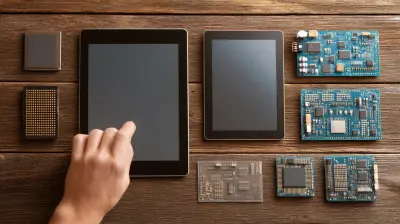
The Power of Neural Networks in Personal Gadgets
1 July 2026
Let's face it — technology is running the show in our daily lives. You've likely got a phone in your pocket smarter than the computers used to land Apollo 11 on the moon. But what makes our tech so smart, so intuitive, and so scarily good at keeping up with us? The answer, my friend, lies in the magical world of neural networks.
Neural networks, the backbone of modern artificial intelligence (AI), are now baked into everyday gadgets. We’re not just talking about high-end computers or futuristic robots. Nope. We’re talking smartphones, smartwatches, TVs, laptops, and heck — even your Bluetooth earbuds might be smarter than you think.
So, buckle up. We're diving deep — but not too geeky — into how neural networks are quietly reshaping the personal gadgets we use every single day.
What Exactly Are Neural Networks?
Let’s make this super digestible.Imagine your brain. It's made up of billions of neurons that work together to process information. Neural networks in technology are modeled after that idea — they’re like digital brains that help computers "think" more like people.
At their core, neural networks are algorithms designed to recognize patterns. Feed them a bunch of data (like pictures of cats), and they start figuring out what makes a cat a cat. Over time, they get better and more accurate, all on their own. Kinda like learning to recognize your favorite song just from the first few notes.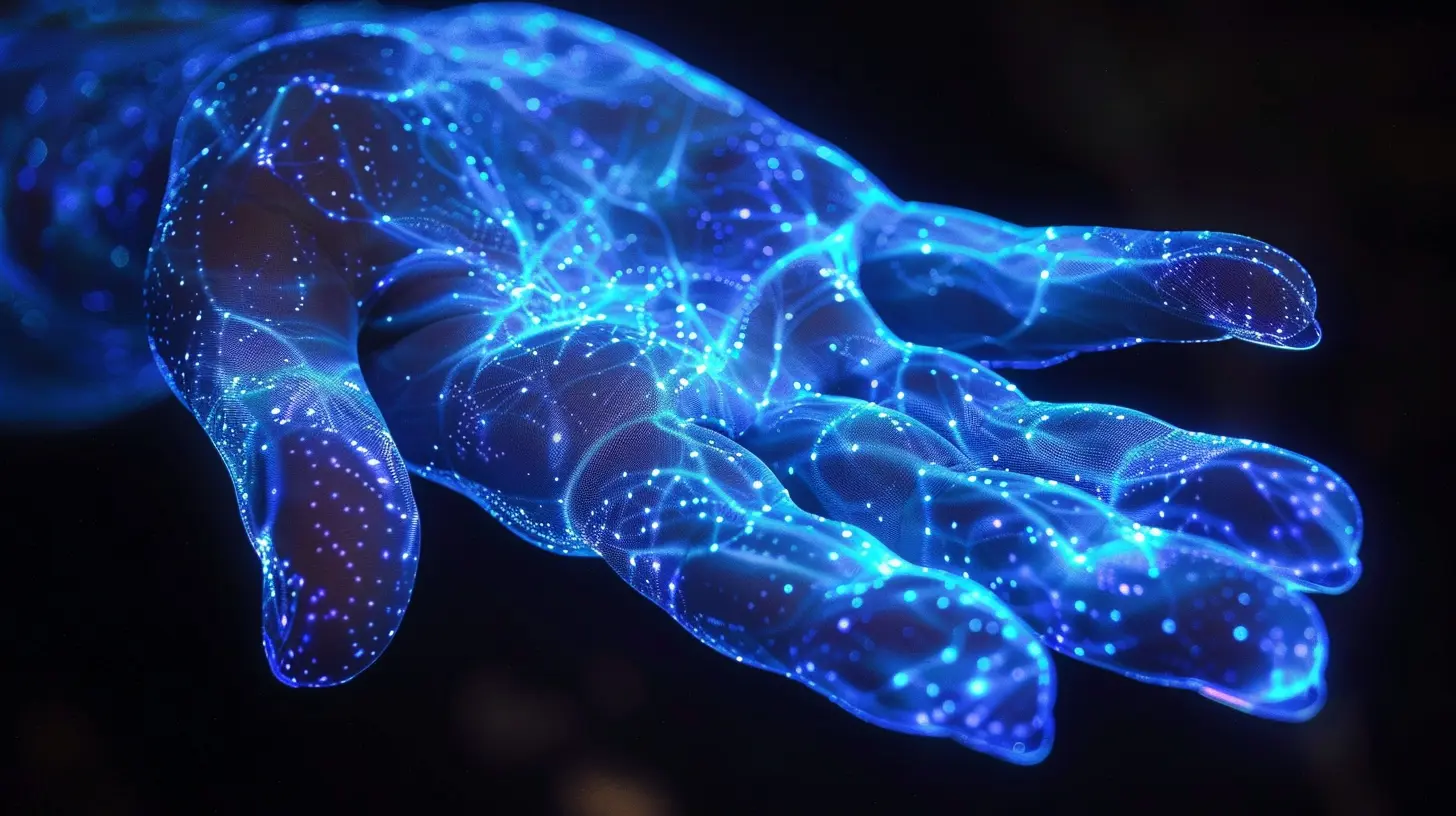
Neural Networks in the Palm of Your Hand
Got a smartphone? Then you're already using neural networks — a lot.Facial Recognition
Ever wonder how your phone unlocks just by staring at you? It's not magic. It's neural networks recognizing your mug. These algorithms scan, learn, and remember the unique features of your face. They work in all kinds of lighting, with or without a beard, and even with those sleepy morning eyes.Voice Assistants
Siri, Alexa, Google Assistant... these digital helpers run on — you guessed it — neural networks. They understand natural language (which is messy and complicated), detect your tone, and even predict what you might need next. Whether you’re asking for a weather update or a pizza recommendation, neural networks are working behind the scenes to make it happen.Camera Enhancements
AI-driven cameras don’t just take pictures anymore, they make judgments. Is it a sunset? A person? A plate of food? Neural networks analyze the scene and adjust settings (like lighting, sharpness, and saturation) in real-time so the final shot looks incredible.It’s like having a tiny, invisible photo editor working tirelessly in every snap. Wild, right?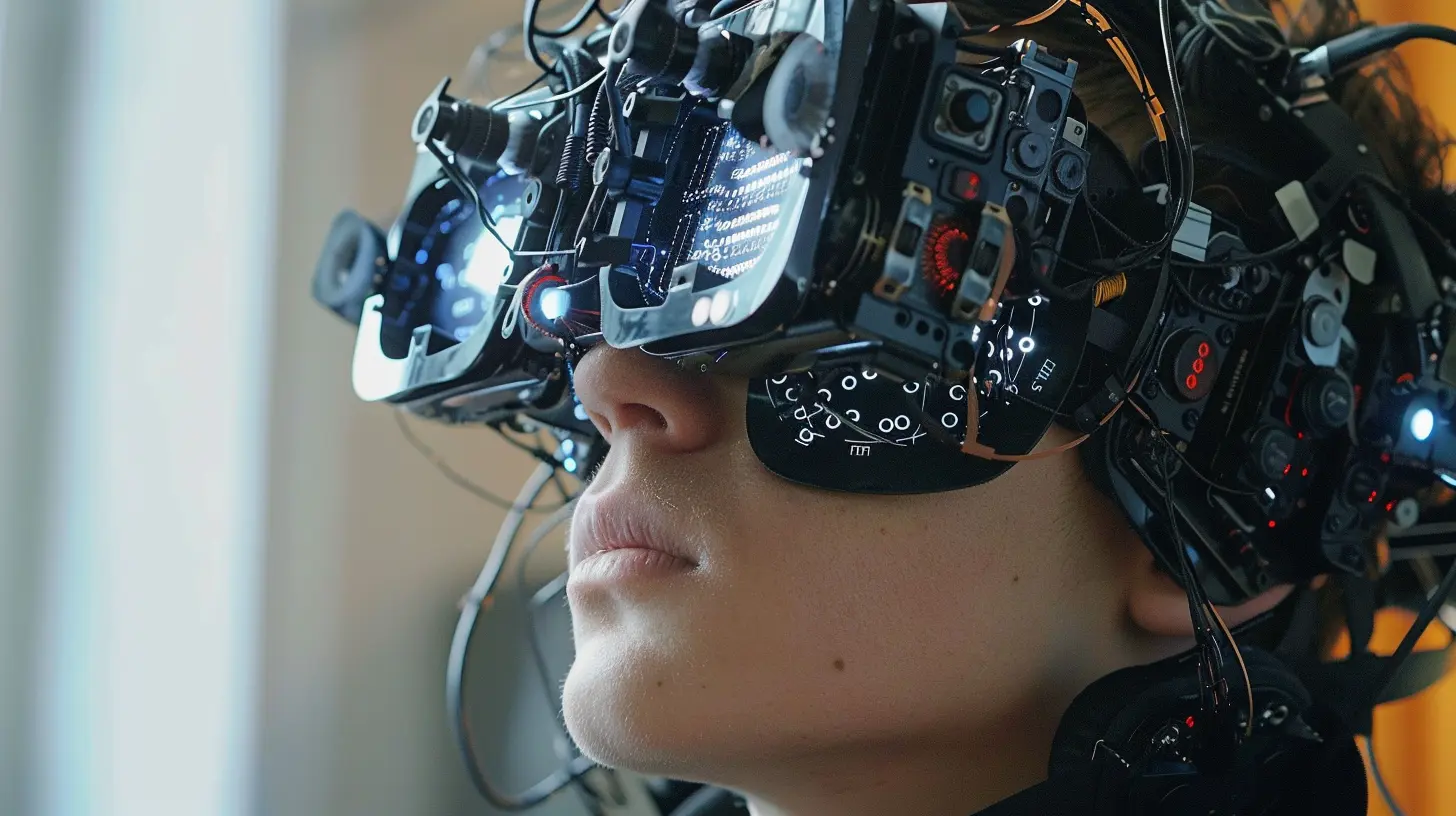
Smartwatches That Think
Gone are the days when watches just told time. Now, they're fitness coaches, health monitors, and digital assistants wrapped around your wrist.Heart Rate Monitoring and ECG
When your Apple Watch warns you about irregular heart activity or your Fitbit buzzes after detecting stress, that's a neural network doing its thing. These systems learn your baseline metrics and flag anomalies. They're not just showing numbers; they're interpreting data.Motion Detection That Actually Makes Sense
When you’re walking, running, or flailing your arms in an attempt to dance, neural networks inside your smartwatch are detecting and classifying those movements. It’s what allows your gadget to differentiate between actual exercise and just waving your arm around.
Laptops & Neural-Driven Productivity
Even laptops — those trusty workhorses of the digital age — have gotten a serious AI upgrade.Smart Typing & Grammar Suggestions
You’ve probably noticed that typing in Google Docs or Microsoft Word feels a lot smoother these days. Predictive writing? Smart sentence completions? Neural networks are driving that. They learn from your writing style and help you phrase things better and faster.Noise Cancellation in Calls
Working from home? Dealing with kids, dogs, or a leaf blower outside? Laptops with AI-based noise cancellation use neural networks to isolate your voice and block out the chaos around you.It’s like having a sound engineer living inside your laptop.
Neural Networks in Wireless Earbuds
Think your earbuds are just about sound? Think again.Adaptive Noise Cancellation
High-end wireless buds like the AirPods Pro and Sony WF series use neural networks to continuously adapt to your environment. They "listen" to outside noise, compare it to your audio, and cancel out distractions — all in milliseconds.So whether you're on a plane, in a café, or walking through a wind tunnel, you're always hearing just what you want.
Voice-First Interfaces
Voice commands through your earbuds aren’t just passing through a digital microphone. Neural networks are analyzing your speech patterns, filtering noise, and figuring out what you said — even if you're whispering or mumbling a little.Smarter TVs and Entertainment Systems
Neural networks aren't just helping gadgets be more useful — they’re making them more fun too.Personalized Content Recommendations
You know how Netflix seems to know exactly what to suggest next? That’s thanks to recommendation engines steered by neural networks. They learn your preferences based on what you watch, when you watch, and even how long you binge.Basically, your TV’s learning your taste better than your best friend.
Voice Search and Control
Shouting “Play Stranger Things!” at your smart TV isn’t just a novelty. Neural networks are decoding that command, matching it to available content, and making it happen — all in real time.Gaming Gets a Neural Boost
Gamers, this one's for you.AI Opponents That Learn
Modern video games are powered by AI that goes beyond canned responses. Some games now feature NPCs (non-playable characters) that adapt to your playstyle, learn your tactics, and respond dynamically — making every game session feel fresh.Graphics Optimization
Neural networks also help with rendering — they upscale lower-resolution graphics to look high-def without needing as much GPU power. NVIDIA’s DLSS (Deep Learning Super Sampling) is a prime example, letting budget gamers enjoy premium visuals.The Future of Neural Networks in Personal Devices
So where are we headed?Short answer: even more integration.
We’ll see neural networks baked into everyday objects — not just phones and watches, but home appliances, cars, glasses, even clothes. Imagine a smart fridge that restocks itself based on your diet patterns, or sunglasses that provide real-time translations during travel.
Healthcare gadgets will get smarter, too. Wearables could detect illnesses before symptoms even show up, alerting you and your doctor instantly.
In other words, this isn’t a trend — it’s a full-blown evolution.
Are There Downsides?
Of course. With great power comes great responsibility.Neural networks rely on data — a lot of it. That means privacy concerns are very real. The more your gadgets know about you, the more tempting your data becomes to hackers and advertisers.
There’s also the whole ethical debate around AI: bias in algorithms, dependency on tech, and the slow erosion of personal decision-making. It's a complex puzzle, and we're still figuring it out.
Final Thoughts
The power of neural networks in personal gadgets is undeniable. They've quietly taken over — improving our selfies, simplifying our lives, and transforming the way we interact with the world.But make no mistake, we’re still at the beginning. As this tech keeps evolving, our gadgets won’t just get smarter — they’ll get more intuitive, more connected, and maybe even more human.
Ready or not, the neural revolution is already in your pocket.
all images in this post were generated using AI tools
Category:
Tech InnovationsAuthor:

Adeline Taylor
Discussion
rate this article
1 comments
Darrow Bowers
Neural networks are transforming personal gadgets by enhancing functionality and user experience. From smart assistants to image recognition, these technologies are paving the way for more intuitive devices and applications.
July 3, 2026 at 12:28 PM
Adeline Taylor
Absolutely, neural networks are revolutionizing how we interact with our devices, making them smarter and more responsive to our needs. It's an exciting time for user experience.