The Role of Open Source in Modern Software Development
29 December 2025
The world of software development has evolved dramatically over the past few decades. One of the biggest driving forces behind this transformation? Open source. What started as a niche movement has become the backbone of modern technology, fueling everything from operating systems to artificial intelligence.
But what exactly makes open source so powerful? And why has it become an essential component of software development today? Let's dive in.
What is Open Source?
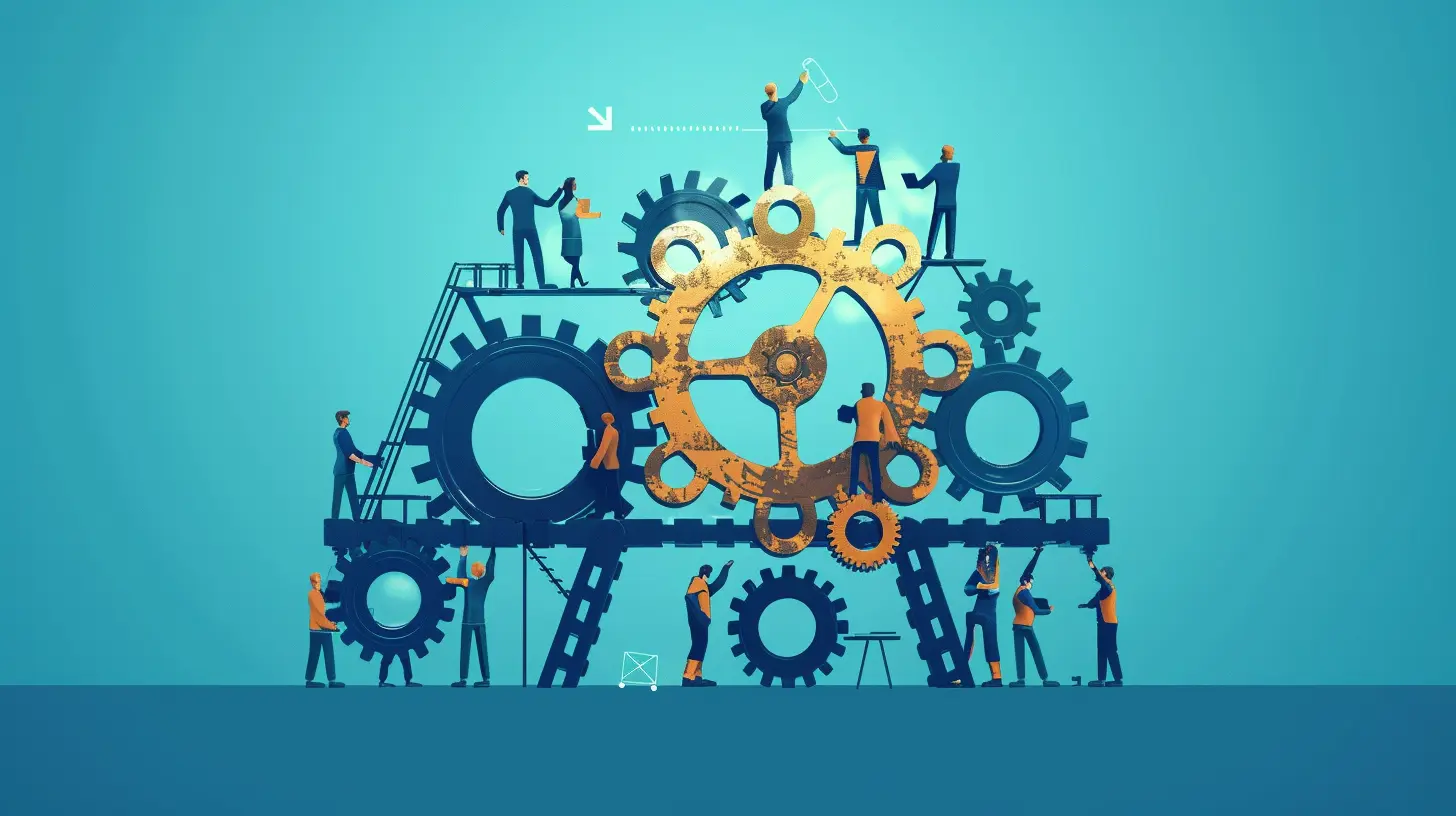
Before we get ahead of ourselves, let's break it down. Open-source software (OSS) is software whose source code is freely available for anyone to view, modify, and distribute. Unlike proprietary software, which keeps its code under lock and key, open-source projects thrive on transparency and collaboration.Think of it like a recipe. If a famous chef shares their secret recipe with the world, anyone can tweak it, improve on it, and even create their own version. That’s exactly how open-source software operates—constantly evolving through collective effort.

The Rise of Open Source in Modern Development
Once upon a time, software was seen as a product to be sold, tightly controlled by corporations. Companies like Microsoft and Apple built empires on proprietary software, keeping their code hidden from the public. But the landscape changed drastically when developers realized that collaboration could achieve far more than competition.Fast forward to today, and open-source software is everywhere. From Linux running on 96% of the top one million web servers to Android's dominance in mobile devices, open-source technology is at the heart of modern computing.
So, why do developers and companies embrace open source? Let's break it down. 
Why Open Source is Essential in Modern Software Development
1. Faster Innovation Through Collaboration
In the software world, two heads are better than one. And when you have an entire community of developers working together, the potential for innovation skyrockets.Rather than reinventing the wheel, developers can build on existing open-source projects, accelerating progress. Imagine trying to build a car from scratch when you could use a pre-existing engine and simply upgrade it. That’s open-source innovation in action.
2. Cost-Effective Development
For businesses and developers, cutting costs without sacrificing quality is a no-brainer. Open source eliminates expensive licensing fees, making high-quality software accessible to startups, enterprises, and independent developers alike.Plus, when you’re not locked into a proprietary ecosystem, you have more freedom to adapt the software to fit your needs without worrying about additional costs.
3. Security Through Transparency
One of the biggest myths about open source is that it's less secure than proprietary software. In reality, the opposite is often true. The magic here lies in transparency.With proprietary software, security flaws can go unnoticed for months—sometimes years—before being patched. But in an open-source environment, thousands of eyes are constantly reviewing the code, identifying vulnerabilities, and fixing them quickly. Think of it like crowd-sourced security auditing.
4. No Vendor Lock-In
Ever felt stuck with software that no longer meets your needs but you can’t switch because you’re too deep in the ecosystem? That’s vendor lock-in.Open source frees companies and developers from being tied to a single vendor. Since the code is accessible, you can modify, extend, or even fork the project to better suit your requirements without waiting for a company to release an update.
5. Community-Driven Development
One of the most beautiful aspects of open source is its sense of community. Instead of relying on a single corporation to maintain and improve software, open-source projects thrive through collaboration from developers worldwide.Platforms like GitHub and GitLab have fueled this spirit, allowing developers to contribute code, report bugs, and improve software together. Everyone has a voice, and great ideas don’t get buried in corporate bureaucracy.
6. Better Customization and Flexibility
Have you ever used a software tool and wished it had just one extra feature? With closed-source software, you’re at the mercy of the developers. But with open-source, you have the power to tweak the code to fit your exact needs.Companies can tailor open-source software to their business models instead of adjusting their workflow to match the software’s limitations. This level of flexibility is a game-changer. 
How Open Source is Shaping the Future of Technology
Open source isn’t just a trend—it’s shaping the future of technology in ways we couldn’t have imagined. Here are some key areas where open source is making a massive impact:1. Artificial Intelligence & Machine Learning
From TensorFlow to PyTorch, some of the most powerful AI tools are open-source. This open access has allowed researchers and developers worldwide to contribute to advancements in machine learning, accelerating progress in ways that wouldn’t be possible with closed ecosystems.2. Cloud Computing & DevOps
Platforms like Kubernetes and Docker have transformed cloud computing and DevOps. These open-source technologies make it easier to deploy, manage, and scale applications, fueling the rise of modern cloud infrastructure.3. Web Development & Frameworks
The web as we know it wouldn’t exist without open source. From WordPress (powering 43% of all websites) to JavaScript frameworks like React and Vue.js, open-source tools dominate web development.4. Cybersecurity
Open-source security tools like Metasploit and OpenSSL play a crucial role in protecting digital infrastructure. By enabling transparency and collaboration, these tools help developers identify and mitigate security risks efficiently.5. Internet of Things (IoT)
With IoT devices becoming more widespread, open-source technologies such as Home Assistant and OpenHAB empower developers to create smart home solutions without relying on proprietary ecosystems.Challenges and Concerns Around Open Source
Despite its numerous advantages, open-source software isn’t without its challenges:- Sustainability Issues: Many open-source projects are driven by volunteers, making long-term sustainability a challenge. Some projects struggle with funding, which can slow down development.
- Fragmentation: Too much variation in open-source projects can lead to fragmentation, making it difficult to standardize certain technologies.
- Quality Control: Not all open-source projects maintain high-quality standards. While community contributions are great, there’s always a risk of poorly written or insecure code being integrated.
However, as more companies and individuals recognize the value of open-source, initiatives like open-source funding, corporate sponsorships, and dedicated community management are helping to address these challenges.
The Future of Open Source in Software Development
So, what’s next for open-source software?One thing is certain: it’s not going anywhere. As technology continues to evolve, open source will play an even bigger role in areas like AI, blockchain, and cybersecurity. More companies are realizing that open source isn’t just a cost-cutting strategy—it’s a strategic advantage.
Moreover, the growing support for open-source sustainability—through funding programs and corporate contributions—will ensure that critical projects continue to thrive.
The real question isn’t whether open source will continue to shape software development, but how much it will redefine the entire industry.
Conclusion
Open source isn’t just a part of modern software development—it’s the foundation of it. By fostering innovation, improving security, and promoting collaboration, open-source technology has transformed the way we build and use software.Whether you’re a developer, a business owner, or just a tech enthusiast, embracing open source is a smart move. It’s more than just code—it’s a mindset, a community, and a driving force behind today’s digital world.
So, the next time you use an open-source tool, remember: you’re not just benefiting from someone else’s work; you’re part of a massive, global movement shaping the future of technology.
all images in this post were generated using AI tools
Category:
Software DevelopmentAuthor:

Adeline Taylor
Discussion
rate this article
2 comments
Thornefield Martinez
Open source fosters innovation and collaboration but also raises concerns about security and sustainability in software.
January 25, 2026 at 3:31 AM
Adeline Taylor
You're absolutely right! Open source indeed promotes innovation and collaboration, but we must address security and sustainability challenges to fully harness its potential in software development.
Zain Chapman
Open source empowers collaboration and innovation. Truly inspiring!
January 7, 2026 at 5:37 AM
Adeline Taylor
Thank you! I'm glad you found it inspiring. Collaboration and innovation are indeed at the heart of open source development.