Wireless Earbuds for Small Ears: A 2027 Comfort Guide
25 September 2026
If you have small ears, you already know the dirty secret of the wireless earbud industry: most earbuds are designed for the average adult ear canal, and the average is bigger than yours. You have probably bought a pair that sounded great in reviews, only to have them ache after twenty minutes, wiggle loose during a walk, or fall out entirely when you yawn. The problem is not your ears. The problem is that "one size fits most" is a design compromise, and small ears are the group that compromise fails most often.
This guide is about fixing that. Not with marketing claims, but with an understanding of ear anatomy, fit mechanics, and the specific design choices that separate earbuds that work for small ears from earbuds that merely claim to.
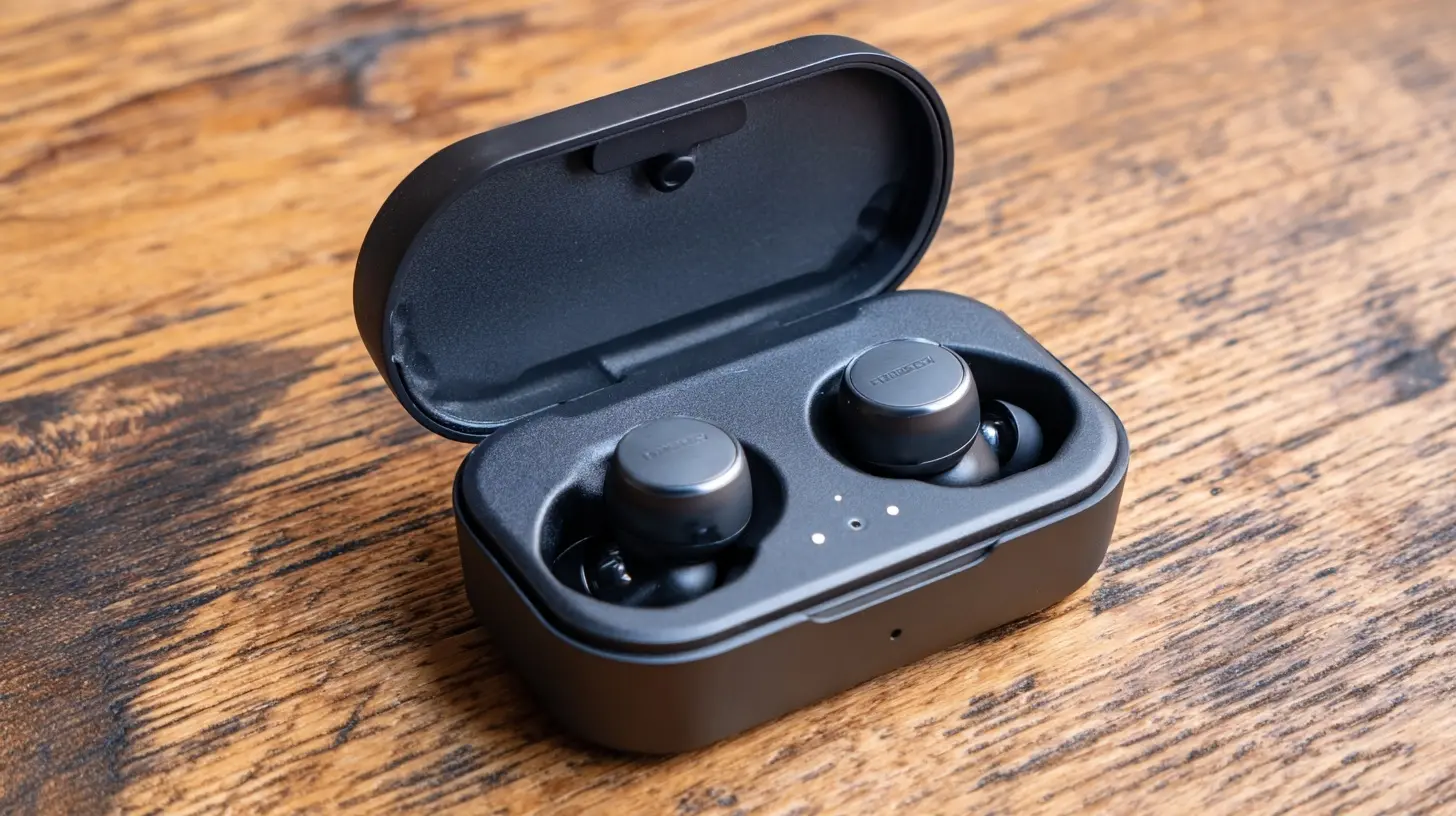
Why Standard Earbuds Fail Small Ears
To choose the right earbuds, you need to understand what actually holds them in place. It is not friction alone, and it is not the nozzle diameter by itself. Fit is a system of three contact points: the ear canal opening, the concha (the bowl-shaped area just outside the canal), and the antihelix or tragus, depending on the shape of your ear.Most earbuds are built around a nozzle roughly 5 to 6 millimeters in diameter with a silicone tip that expands to seal the canal. If your canal is narrower than average, three things happen at once:
1. The tip cannot insert deeply enough to create a proper seal.
2. The housing, which is sized for a larger concha, presses against cartilage instead of resting in it.
3. The weight of the bud sits further out from your head, increasing leverage every time you move.
That third point is the one people underestimate. A bud that sits even two millimeters further out from your ear canal acts like a longer lever. Small movements of your jaw, which happen constantly when you talk or chew, translate into larger forces that break the seal. This is why some earbuds feel fine when you stand still and fall out the moment you start walking.
The result is a cascade: no seal means weak bass, weak bass means you turn up the volume, higher volume means more listening fatigue, and the pressure from an oversized tip means physical soreness on top of it. Fixing fit fixes all of it at once.
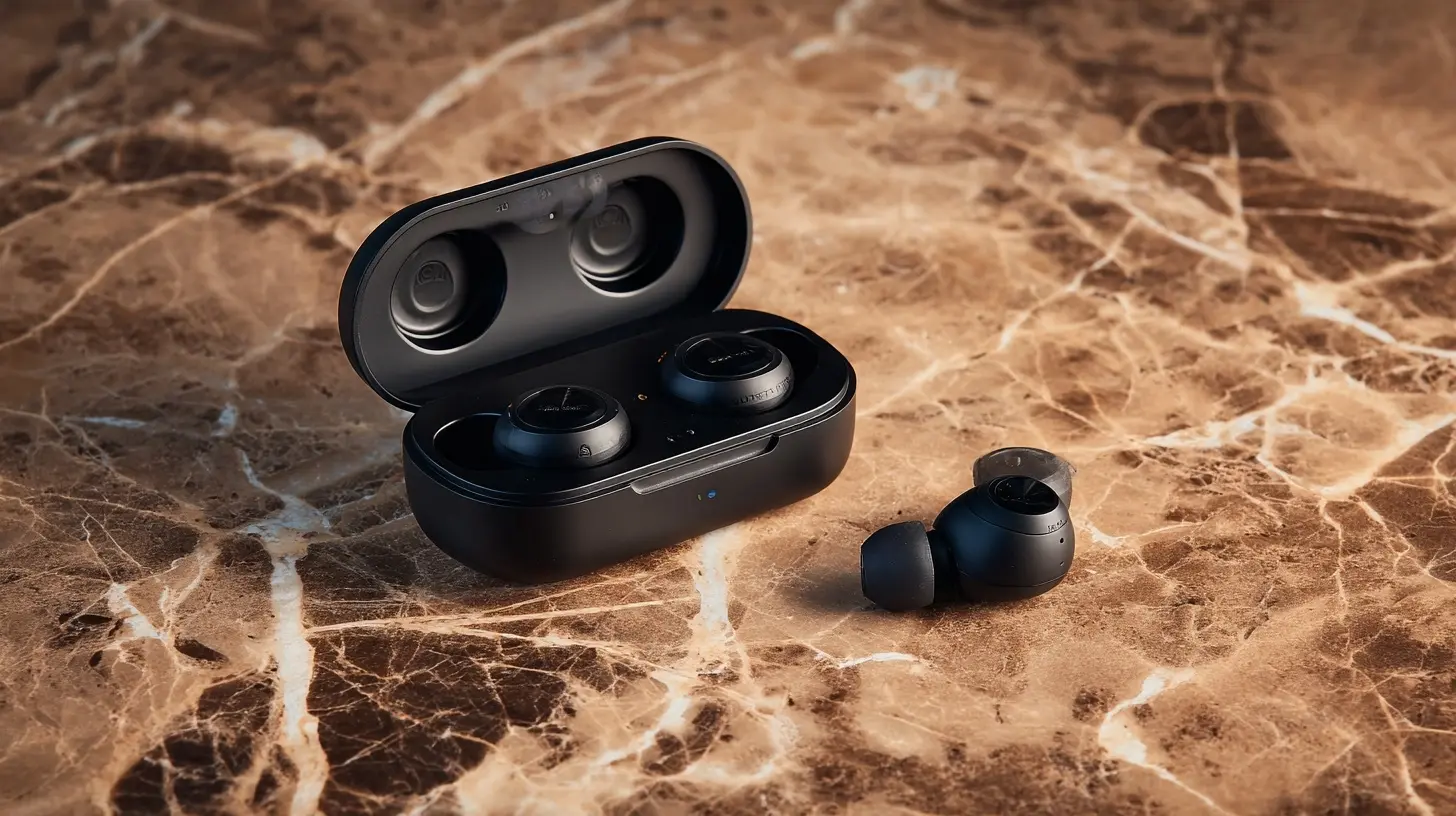
The Anatomy of a Good Fit for Small Ears
Before comparing products, it helps to know what you are looking for. Four measurements and design traits matter more than anything in a spec sheet.Nozzle diameter
This is the single most important number, and it is almost never listed. A nozzle under 5 millimeters gives a small ear canal room to accept the tip without stretching. Some manufacturers list this as "sound tube diameter" or show it in a cross-section diagram. If you cannot find it, look at user reviews from people who describe their ears as small. A nozzle that is too wide will feel like a plug no matter which tip you attach.Housing shape and depth
Two broad categories exist. Stemmed designs, like the classic AirPods silhouette, put the electronics in a downward-hanging stem, which keeps the in-ear portion shallow. Stemless designs pack everything into a rounded body that sits flush in the concha. For small ears, shallow stemmed designs often win because they do not need to fill the concha at all. The trade-off is that a shallow fit provides less passive noise isolation, so you rely more on active noise cancellation, which drains battery.Tip geometry
Silicone tips come in two relevant shapes: conical (tapered like a cone) and spherical (rounded like a bulb). Conical tips insert more easily into narrow canals. Spherical tips seal better in shallow canals but can feel bulky. Some brands now ship extra-small tips down to 3 or 4 millimeters, which sounds trivial but changes everything for a narrow canal. If a manufacturer only offers small, medium, and large, assume the small is closer to a true medium.Weight per bud
Under 5 grams per bud is the practical threshold for small ears. Above that, the bud starts to feel like it is pulling downward, and the seal degrades over a long session. Some flagship models now sit around 4 to 5 grams, which is genuinely comfortable for most small-eared users.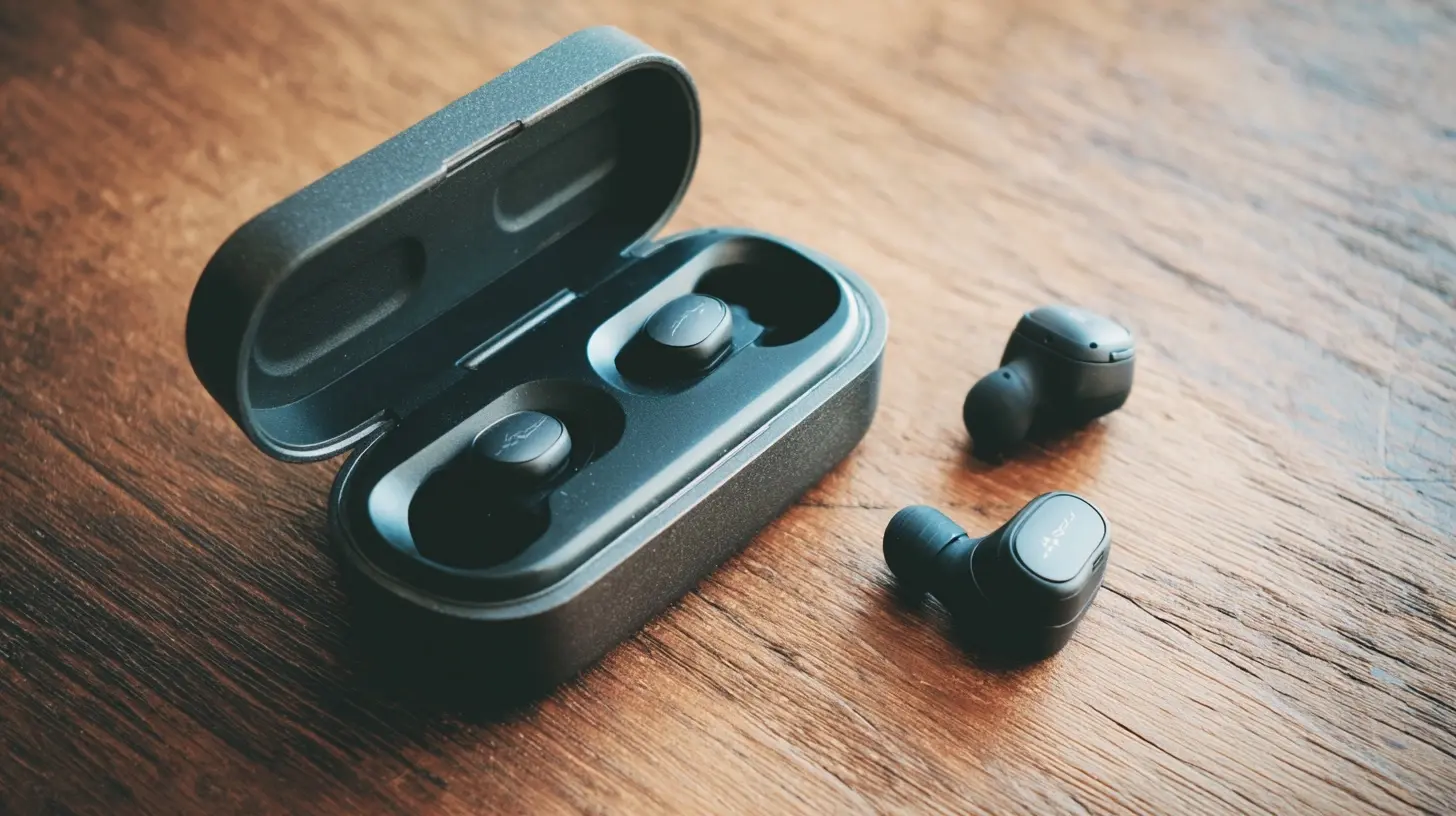
Fit Mechanics: Why Tips Alone Rarely Solve the Problem
Here is a common mistake. Someone with small ears buys a pair of well-reviewed earbuds, finds them uncomfortable, orders third-party extra-small tips, and still finds them uncomfortable. They conclude that no earbud will ever work for them.What went wrong is that they addressed the canal but not the housing. Extra-small tips reduce pressure at the canal opening, but if the bud body is too large for the concha, the housing still presses against cartilage. The cartilage does not adapt. It just gets sore.
Think of it like shoes. A narrower insole helps a wide shoe feel less loose, but it does not make the shoe the right length. The tip is the insole. The housing is the length.
This is why the most successful approach for small ears is to prioritize housing size first, then tune the tip. If the housing fits, almost any reasonable tip will work. If the housing does not fit, no tip will save it.
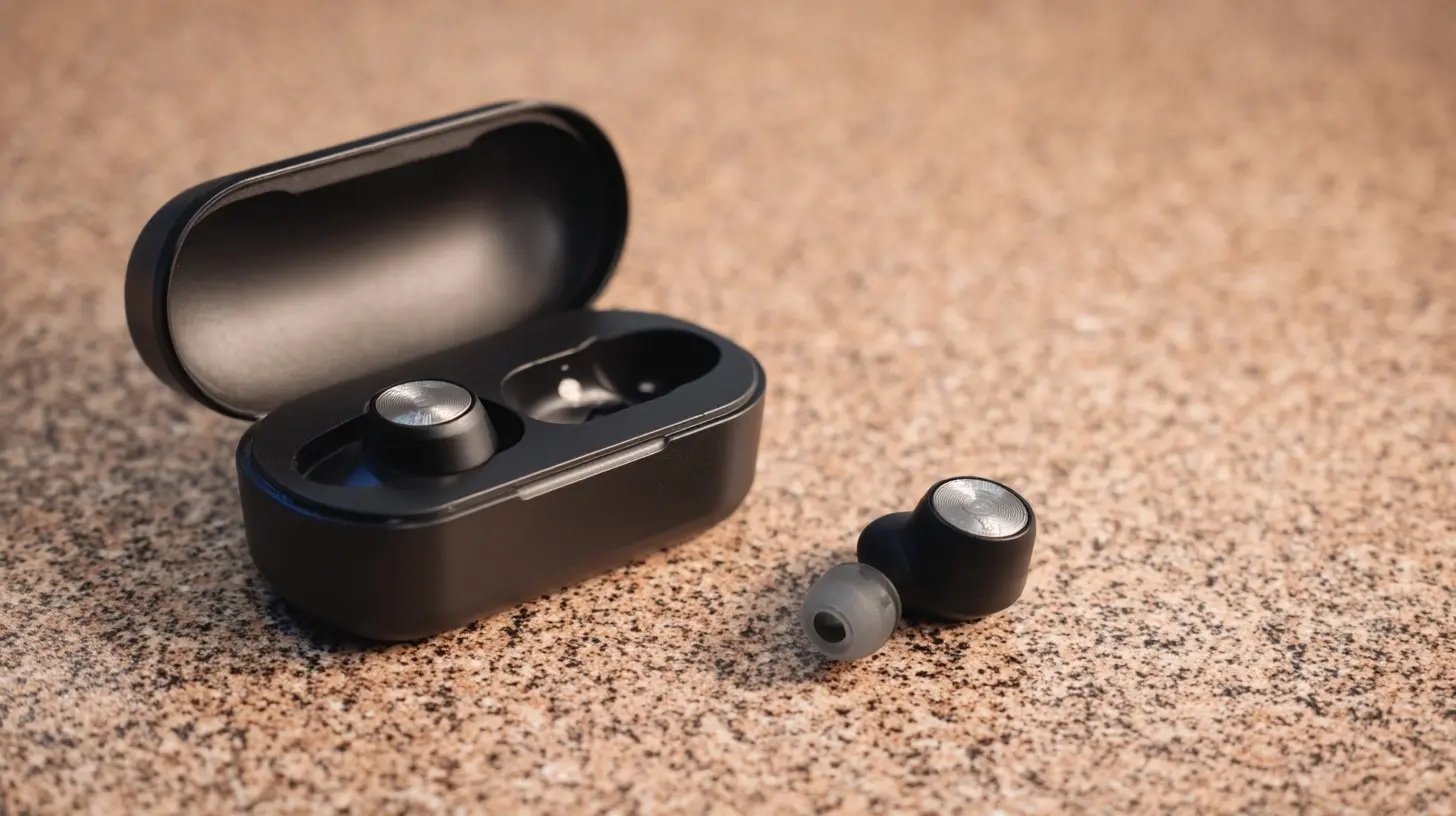
Types of Wireless Earbuds and How They Suit Small Ears
Not every form factor is equally friendly. Here is how the main categories compare.Traditional in-ear with silicone tips
The default category. Best sound isolation and bass response when the seal works. For small ears, the risk is that the nozzle and housing are both oversized. Look for shallow-insertion designs, which are increasingly common as manufacturers chase comfort.Open-fit or half-in-ear
These rest at the canal opening without sealing it. They are extremely comfortable for small ears because they do not need to fill the canal at all. The trade-offs are real: weak bass, almost no passive isolation, and sound leakage. They work well in quiet offices and for people who dislike the plugged feeling, but they are a poor choice on a plane or a noisy street.Bone conduction and open-ear clips
These bypass the canal entirely, which makes them a strong option for people whose discomfort comes from the canal itself rather than the housing. Sound quality in bass-heavy genres is limited by physics, and they leak sound at higher volumes. For podcasts, calls, and situational awareness, they are excellent.Sport fins and wingtips
Some earbuds include a flexible fin that tucks into the concha or under the antihelix. For small ears, this can be a double-edged sword: the fin adds stability, but if it is sized for a larger ear, it creates a pressure point. Adjustable or removable fins are the safer choice.The Tip Test: A Practical Method for Finding Your Size
You can shortcut a lot of trial and error with a five-minute test at home.1. Insert the bud with the smallest tip available, using a gentle twist rather than a push.
2. Wait sixty seconds. If you feel pressure at the canal opening, the tip is too large.
3. Hum a low note. If the seal breaks or the sound thins out, the seal is not stable.
4. Smile widely, then open your jaw. If the bud shifts or falls, the housing is too large or the tip is too small.
5. Walk for two minutes, then turn your head side to side. Any wobble means the fit is not locked in.
If you fail at step 2, sizing down helps. If you fail at steps 3 through 5, the problem is the housing, not the tip. Return the earbuds rather than buying more tips.
One more note on materials. Foam tips, such as memory foam, expand to fill irregular canals and often seal better than silicone in small ears. The downside is that foam degrades faster, needs replacing every few months, and slightly muffles high frequencies. Silicone is more durable and brighter-sounding but less forgiving of irregular canal shapes. Many small-eared listeners end up preferring foam for stability and silicone for sound.
Common Mistakes and Misconceptions
"Small ears just need small tips." As covered above, tips are only one variable. Housing size and insertion depth matter just as much."If it hurts, I will get used to it." You will not. Cartilage does not develop calluses the way skin does. Persistent pain is a signal to change the fit, not to push through.
"More bass means better fit." The opposite is often true. A boomy, muddy sound usually means the tip is too large and the seal is partially blocked, or the bud is seated too deeply. A correct seal produces tight, controlled bass, not overwhelming bass.
"Expensive earbuds fit better." Price correlates with features, not with fit. Some budget models with compact housings fit small ears better than flagship models with large ones.
"I should push them in deeper for a better seal." Deep insertion increases pressure and can irritate the canal. A proper seal comes from the tip matching the canal, not from force.
"Over-ear hooks are only for running." Hooks and ear fins can help small-eared users in everyday use too, because they transfer weight away from the canal. If you find standard buds unstable, this is worth trying before giving up.
Best Practices for Long-Term Comfort
Fit is not a one-time decision. It changes with temperature, hydration, and even how long you have been wearing the buds. A few habits make a measurable difference.- Rotate tips. Silicone tips compress over time and lose their shape. Replace them every few months, or sooner if they look shiny or deformed.
- Clean the nozzles. Earwax buildup narrows the opening and changes the fit. A dry brush or a wooden toothpick works. Never use water on the nozzle.
- Take breaks. Even a perfect fit becomes uncomfortable after two or three hours. Fifteen minutes off every couple of hours prevents soreness.
- Warm the tips. In cold weather, silicone stiffens. Rolling the tip between your fingers for a few seconds softens it before insertion.
- Store them properly. Crushing buds in a pocket deforms the tips and the housing. Use the case.
What to Look For in 2027 and Beyond
The market is slowly moving toward small-ear users, though not fast enough. Several trends are worth tracking.Custom ear tip services have become more accessible. You can now order molded tips made from a scan of your ear, either through a specialist or, in some regions, through a phone-based scanning app. This is the most reliable fix for genuinely difficult ears, though it costs more and adds lead time.
Modular housing designs are appearing, where the nozzle and body are separate components so you can swap a narrower nozzle onto the same electronics. This is promising, but the ecosystem is still fragmented.
Adaptive fit detection, which uses microphones inside the ear canal to measure seal quality and adjust the sound profile in real time, is becoming common. It helps with sound, but it cannot fix physical pressure. Do not mistake it for a comfort solution.
Smaller batteries and more efficient chips have allowed lighter buds without sacrificing runtime. This is the most quietly important trend for small ears. A 4-gram bud with eight hours of playback would have been unusual a few years ago. It is becoming normal.
A Decision Framework
If you are shopping right now, work through this sequence.First, decide whether you need isolation. If you commute or fly, you need a sealed in-ear design, which means fit is critical and you should prioritize small nozzles and light housings. If you mostly listen at a desk, open-fit designs may be more comfortable and are far more forgiving of ear size.
Second, set a weight ceiling. Under 5 grams per bud is a safe target. Under 4.5 grams is excellent.
Third, check the tip sizes offered. If extra-small is not included, factor in the cost of third-party tips, and be aware that they may not fit the nozzle.
Fourth, buy from a retailer with a generous return window. Fit is personal, and no review can predict it for your ears. A fourteen-day return policy is worth more than any spec sheet.
Fifth, test immediately using the tip test above. Do not wait a week to decide. If the housing is wrong, return it while you still can.
The Bottom Line
Small ears are not a niche problem. They are a large and underserved group, and the industry is only now catching up. The good news is that the solution is not complicated once you understand the mechanics: prioritize housing size, then tip geometry, then weight. Do not expect a tip swap to fix a housing that is too large. Do not push through pain. And do not assume that a high price guarantees a good fit.The right earbuds for small ears are the ones you forget you are wearing. Everything else, sound quality included, follows from that.
all images in this post were generated using AI tools
Category:
Wireless EarbudsAuthor:

Adeline Taylor