A home for responsible optimists
August 26, 2026 - 01:28
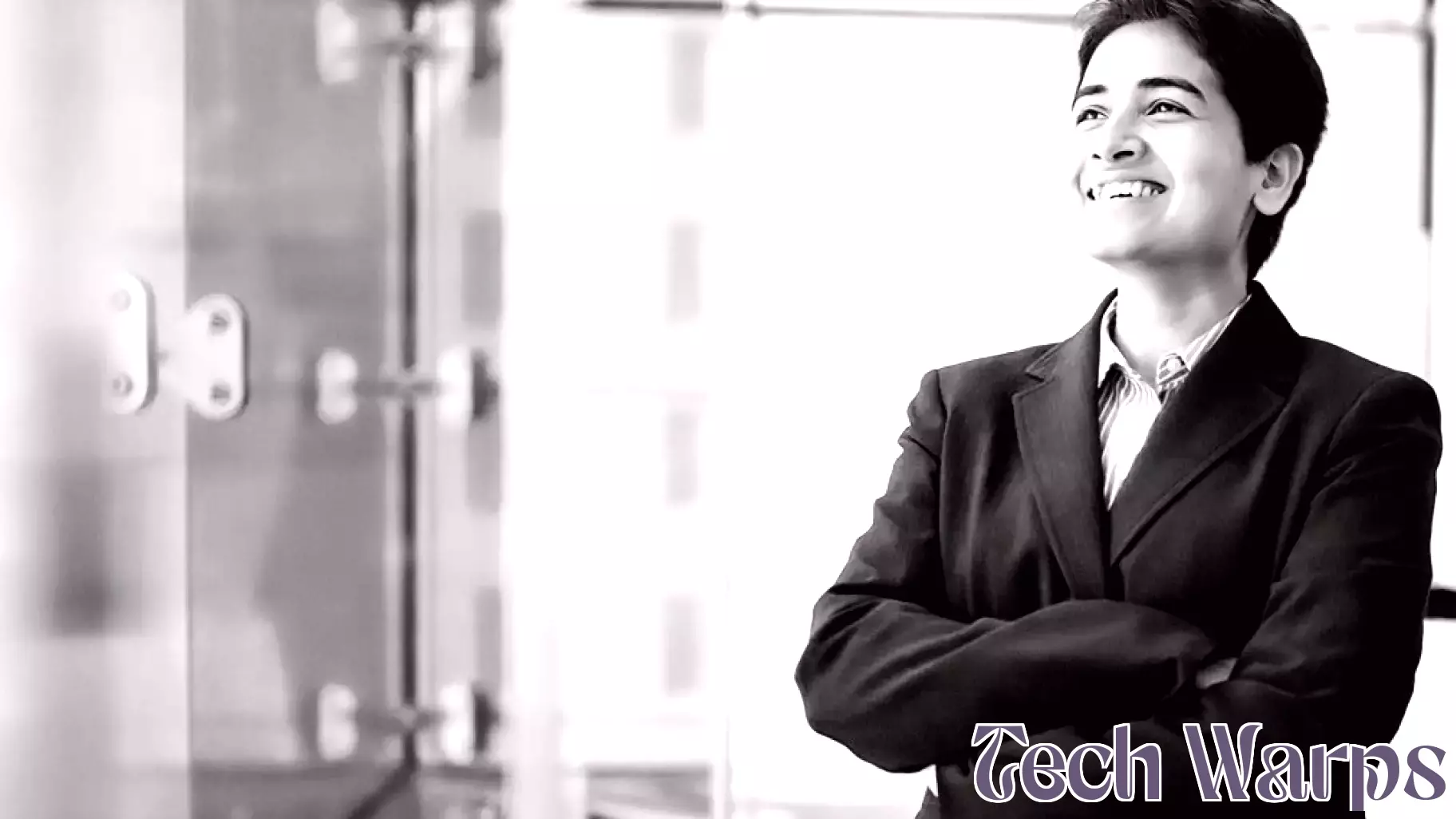
The MIT Media Lab is turning forty, and the milestone arrives at a moment when its founding spirit feels more urgent than ever. The lab was built on a simple but radical idea: that researchers should chase bold questions without being pinned to a single discipline, and that technology could be shaped by human values rather than the other way around. Now, with new leadership at the helm and a wave of generative AI reshaping everything from education to health care, that original bet is being tested again.
The current director has been clear that the next decade will not look like the last. The lab is pushing into areas like neuro-symbolic AI, where machines learn not just from massive data sets but from structured reasoning, and into climate adaptation tools that work with communities rather than over them. There is also a renewed focus on what the lab calls "responsible optimism" - a stance that refuses both doom and blind hype. It is a tricky line to walk, especially when the technology in question can write code, design drugs, or generate synthetic voices in seconds.
What makes the Media Lab different from a corporate research wing or a traditional academic department is its insistence on messy collaboration. Artists sit next to engineers. Biologists share tables with game designers. The new projects reflect that mix: one team is building soft robots that can sense touch and temperature, another is using large language models to help stroke survivors regain speech, and a third is exploring how to make AI systems explain their own mistakes in plain language.
The leadership change has also brought a quieter shift in culture. There is less interest in demo-day theatrics and more in long-term accountability. The lab still wants to surprise the world, but it wants those surprises to hold up under scrutiny. As one senior researcher put it, the goal is not to build the flashiest thing, but to build the thing that matters most - and to do it before someone else builds it badly.
Four decades in, the Media Lab is not resting on its history. It is treating the current AI moment as a second founding, a chance to prove that optimism can be rigorous, that creativity can be disciplined, and that a home for responsible optimists is not a contradiction in terms.
MORE NEWS
October 21, 2026 - 03:17
Minnesota Tech Leaders Have One Week Left to Sign Up for Minneapolis SummitTechnology executives in Minnesota have one week left to register for the 12th Annual Minneapolis C-Level Technology Leadership Summit. The event, organized by HMG Strategy, is set to bring...
October 20, 2026 - 03:38
Surgical Adhesive Offers Alternative to Traditional StitchesA new medical adhesive developed by researchers with ties to MIT could change how surgeons close wounds and repair tissue. The material, created by a company founded by MIT alumnus Hyunwoo Yuk, is...

October 19, 2026 - 22:49
Transit Technology, Innovation, and Building Trust in Public AgenciesThe evolution of transit technology has changed how public agencies operate, according to ETA founder and CEO John Maglio. In a discussion on the subject, Maglio examined the path that transit...
October 19, 2026 - 04:34
China Tightens Solar Export Rules for 2026, Raising Supply and Price ConcernsChina plans to restrict exports of 12 solar manufacturing technologies starting in 2026, a move that could reshape global supply chains and push panel prices higher. The measures target advanced...