Advancements in Technology Transform Texas High School Football
December 6, 2024 - 00:53

This season, the University Interscholastic League (UIL) has approved the use of in-game technology for high school football teams, marking a significant shift in how the sport is played and analyzed at the high school level. Teams can now utilize technology in press boxes and locker rooms during halftime, allowing coaches and players to access real-time data and make informed decisions on the fly.
The integration of technology is set to enhance the overall game experience, providing teams with valuable insights into their performance and that of their opponents. Coaches can analyze plays, assess player statistics, and strategize adjustments based on immediate feedback. This shift not only improves the tactical aspect of the game but also prepares young athletes for the increasingly tech-driven landscape of professional sports.
As Texas high school football continues to evolve, the incorporation of in-game technology is expected to raise the level of competition and foster a new generation of tech-savvy players and coaches.
MORE NEWS

October 21, 2026 - 03:17
Minnesota Tech Leaders Have One Week Left to Sign Up for Minneapolis SummitTechnology executives in Minnesota have one week left to register for the 12th Annual Minneapolis C-Level Technology Leadership Summit. The event, organized by HMG Strategy, is set to bring...

October 20, 2026 - 03:38
Surgical Adhesive Offers Alternative to Traditional StitchesA new medical adhesive developed by researchers with ties to MIT could change how surgeons close wounds and repair tissue. The material, created by a company founded by MIT alumnus Hyunwoo Yuk, is...

October 19, 2026 - 22:49
Transit Technology, Innovation, and Building Trust in Public AgenciesThe evolution of transit technology has changed how public agencies operate, according to ETA founder and CEO John Maglio. In a discussion on the subject, Maglio examined the path that transit...
October 19, 2026 - 04:34
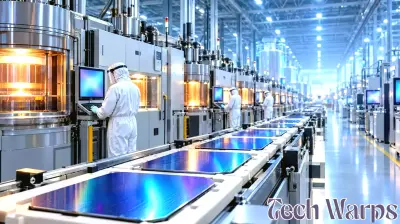
China Tightens Solar Export Rules for 2026, Raising Supply and Price ConcernsChina plans to restrict exports of 12 solar manufacturing technologies starting in 2026, a move that could reshape global supply chains and push panel prices higher. The measures target advanced...