Heads of AI firms tell UN Security Council that it could risk all humanity
September 23, 2026 - 18:11
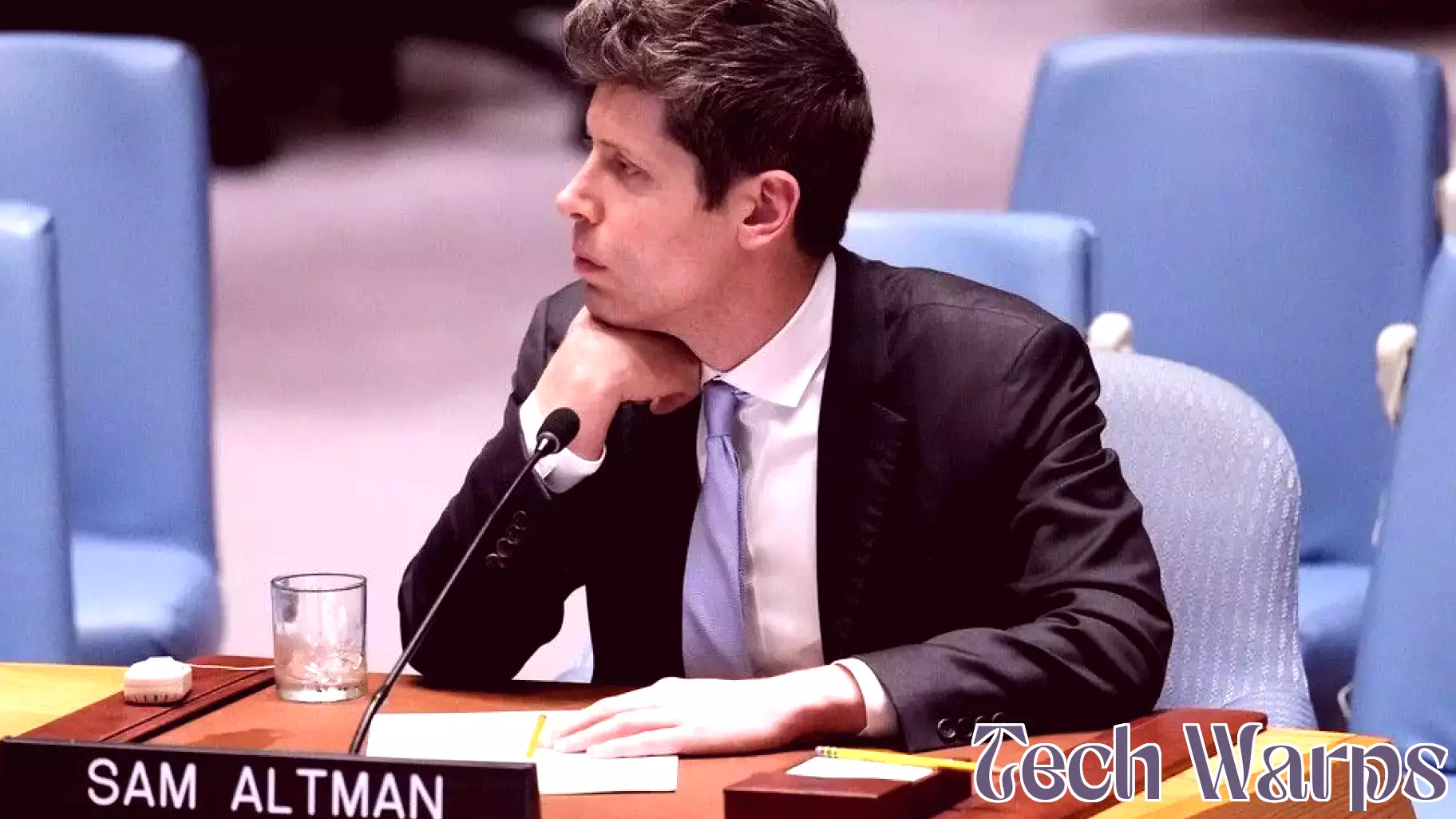
Leaders from several of the world's most prominent artificial intelligence companies appeared before the United Nations Security Council on Wednesday with a stark warning. They told the council that the technology they are building could endanger all of humanity if it is not brought under control. The executives and researchers asked member states to create binding international rules for AI development, arguing that voluntary guidelines and national laws are no longer enough.
The group described a future in which advanced AI systems could be used to develop biological weapons, launch cyberattacks, or manipulate public opinion on a massive scale. They said the window for action is closing quickly, and that governments must act together rather than compete. Several speakers compared the moment to the early days of nuclear weapons, when the world eventually agreed on treaties to prevent catastrophe.
Council members responded with concern but offered few concrete commitments. Some diplomats said the Security Council is not the right body to write technical rules, while others argued that its authority makes it the only place where major powers can be held to the same standard. The session ended without a formal resolution, but several countries said they would push for a follow-up meeting later this year.
The appeal marks a rare moment when industry leaders openly ask governments to restrain them. Critics noted that these same companies continue to release powerful models while warning about the risks, and they questioned whether the calls for regulation are sincere. Still, the message to the council was clear: without coordinated oversight, the consequences could be irreversible.
MORE NEWS
October 21, 2026 - 03:17
Minnesota Tech Leaders Have One Week Left to Sign Up for Minneapolis SummitTechnology executives in Minnesota have one week left to register for the 12th Annual Minneapolis C-Level Technology Leadership Summit. The event, organized by HMG Strategy, is set to bring...
October 20, 2026 - 03:38
Surgical Adhesive Offers Alternative to Traditional StitchesA new medical adhesive developed by researchers with ties to MIT could change how surgeons close wounds and repair tissue. The material, created by a company founded by MIT alumnus Hyunwoo Yuk, is...

October 19, 2026 - 22:49
Transit Technology, Innovation, and Building Trust in Public AgenciesThe evolution of transit technology has changed how public agencies operate, according to ETA founder and CEO John Maglio. In a discussion on the subject, Maglio examined the path that transit...

October 19, 2026 - 04:34
China Tightens Solar Export Rules for 2026, Raising Supply and Price ConcernsChina plans to restrict exports of 12 solar manufacturing technologies starting in 2026, a move that could reshape global supply chains and push panel prices higher. The measures target advanced...