In a Warming World, Air Conditioning Is a Necessary Evil. Or Is it?
August 2, 2026 - 01:14
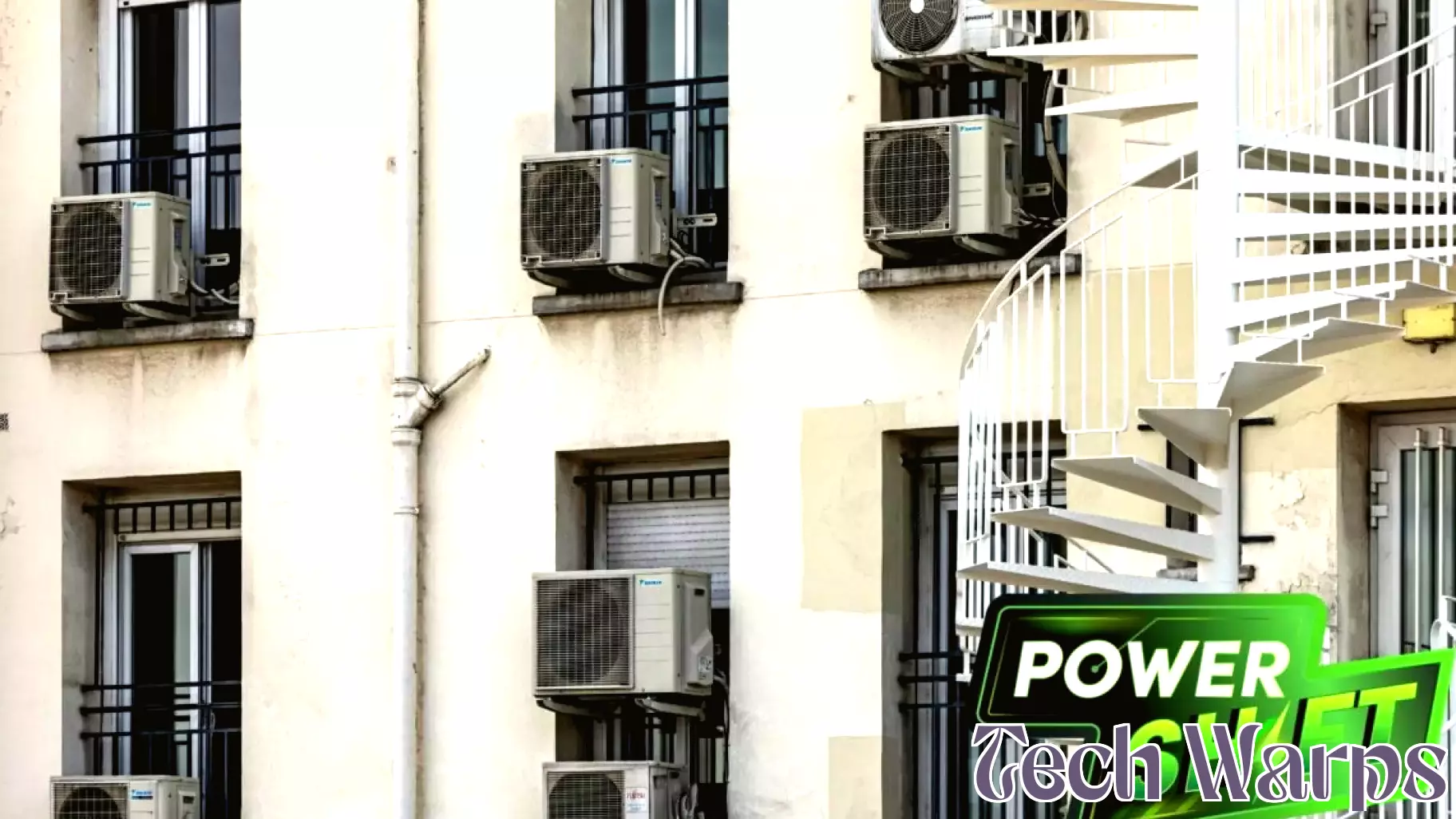
As global temperatures climb, the familiar hum of the air conditioner has become the soundtrack of summer. But the machines that keep us comfortable are also heating the planet, guzzling electricity and leaking refrigerants that are potent greenhouse gases. For years, we have accepted this as a necessary trade-off. Now, a wave of research into passive cooling suggests we might not have to choose between comfort and climate.
The idea is not new. Humans have kept buildings cool for millennia using shade, thick walls, and natural ventilation. What has changed is the sophistication of modern materials. Scientists are developing special paints and films that reflect nearly all solar radiation while also emitting heat back into space, a process called radiative cooling. These surfaces can drop a roof's temperature by several degrees without using a single watt. Other innovations include phase-change materials that absorb heat during the day and release it at night, and smart window coatings that block infrared rays while letting in visible light.
The potential is enormous. In hot, sunny regions, passive cooling could slash the energy needed for air conditioning by up to 60 percent. That would ease strain on power grids, cut household bills, and reduce carbon emissions. But the path to widespread adoption is not smooth. For one, many of these materials are still expensive to produce at scale. They also work best in dry, clear climates. In humid or cloudy areas, their performance drops sharply. And in dense cities, the urban heat island effect can overwhelm even the best reflective coating.
There is also the human factor. People have grown used to precise temperature control, not just cooling but dehumidifying and filtering air. Passive systems often cannot deliver that level of comfort during extreme heat waves. So the realistic future is likely a hybrid approach: better building design and smart materials to reduce the load, with smaller, more efficient air conditioners as a backup. The goal is not to ban cooling but to make it a last resort, not a first response. The technology is promising, but it will take policy support, investment, and a shift in how we think about buildings to make it work.
MORE NEWS

October 21, 2026 - 03:17
Minnesota Tech Leaders Have One Week Left to Sign Up for Minneapolis SummitTechnology executives in Minnesota have one week left to register for the 12th Annual Minneapolis C-Level Technology Leadership Summit. The event, organized by HMG Strategy, is set to bring...

October 20, 2026 - 03:38
Surgical Adhesive Offers Alternative to Traditional StitchesA new medical adhesive developed by researchers with ties to MIT could change how surgeons close wounds and repair tissue. The material, created by a company founded by MIT alumnus Hyunwoo Yuk, is...

October 19, 2026 - 22:49
Transit Technology, Innovation, and Building Trust in Public AgenciesThe evolution of transit technology has changed how public agencies operate, according to ETA founder and CEO John Maglio. In a discussion on the subject, Maglio examined the path that transit...
October 19, 2026 - 04:34
China Tightens Solar Export Rules for 2026, Raising Supply and Price ConcernsChina plans to restrict exports of 12 solar manufacturing technologies starting in 2026, a move that could reshape global supply chains and push panel prices higher. The measures target advanced...