Innovative Flame-Retardant Coating Promises Enhanced Safety
January 10, 2025 - 20:55

Researchers at Texas A&M University have unveiled a groundbreaking one-step, water-based flame retardant coating designed to significantly reduce the flammability of cotton materials. This innovative coating is non-toxic and utilizes a volatile base, making it not only safer for consumers but also environmentally friendly.
The development of this coating comes at a crucial time, as fire safety in textiles remains a pressing concern for both personal safety and property protection. The new formulation is scalable, meaning it can be easily adapted for large-scale industrial applications, including clothing, upholstery, and other fabric-based products.
By providing an effective barrier against flames, this coating has the potential to save lives and protect property from fire hazards. The research team is optimistic about the future implications of this technology, as it could lead to widespread adoption in various industries, enhancing safety standards and reducing fire-related incidents.
MORE NEWS

October 21, 2026 - 03:17
Minnesota Tech Leaders Have One Week Left to Sign Up for Minneapolis SummitTechnology executives in Minnesota have one week left to register for the 12th Annual Minneapolis C-Level Technology Leadership Summit. The event, organized by HMG Strategy, is set to bring...
October 20, 2026 - 03:38
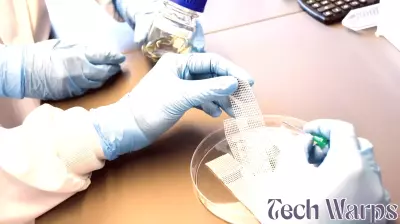
Surgical Adhesive Offers Alternative to Traditional StitchesA new medical adhesive developed by researchers with ties to MIT could change how surgeons close wounds and repair tissue. The material, created by a company founded by MIT alumnus Hyunwoo Yuk, is...

October 19, 2026 - 22:49
Transit Technology, Innovation, and Building Trust in Public AgenciesThe evolution of transit technology has changed how public agencies operate, according to ETA founder and CEO John Maglio. In a discussion on the subject, Maglio examined the path that transit...
October 19, 2026 - 04:34
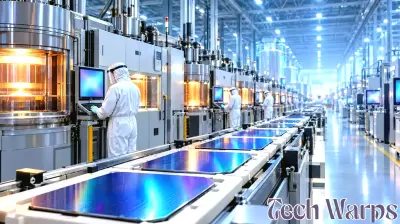
China Tightens Solar Export Rules for 2026, Raising Supply and Price ConcernsChina plans to restrict exports of 12 solar manufacturing technologies starting in 2026, a move that could reshape global supply chains and push panel prices higher. The measures target advanced...