IonQ vs. Rigetti Computing: Which Pure-Play Quantum Pioneer Has the Stronger Technology Advantage?
September 6, 2026 - 12:42
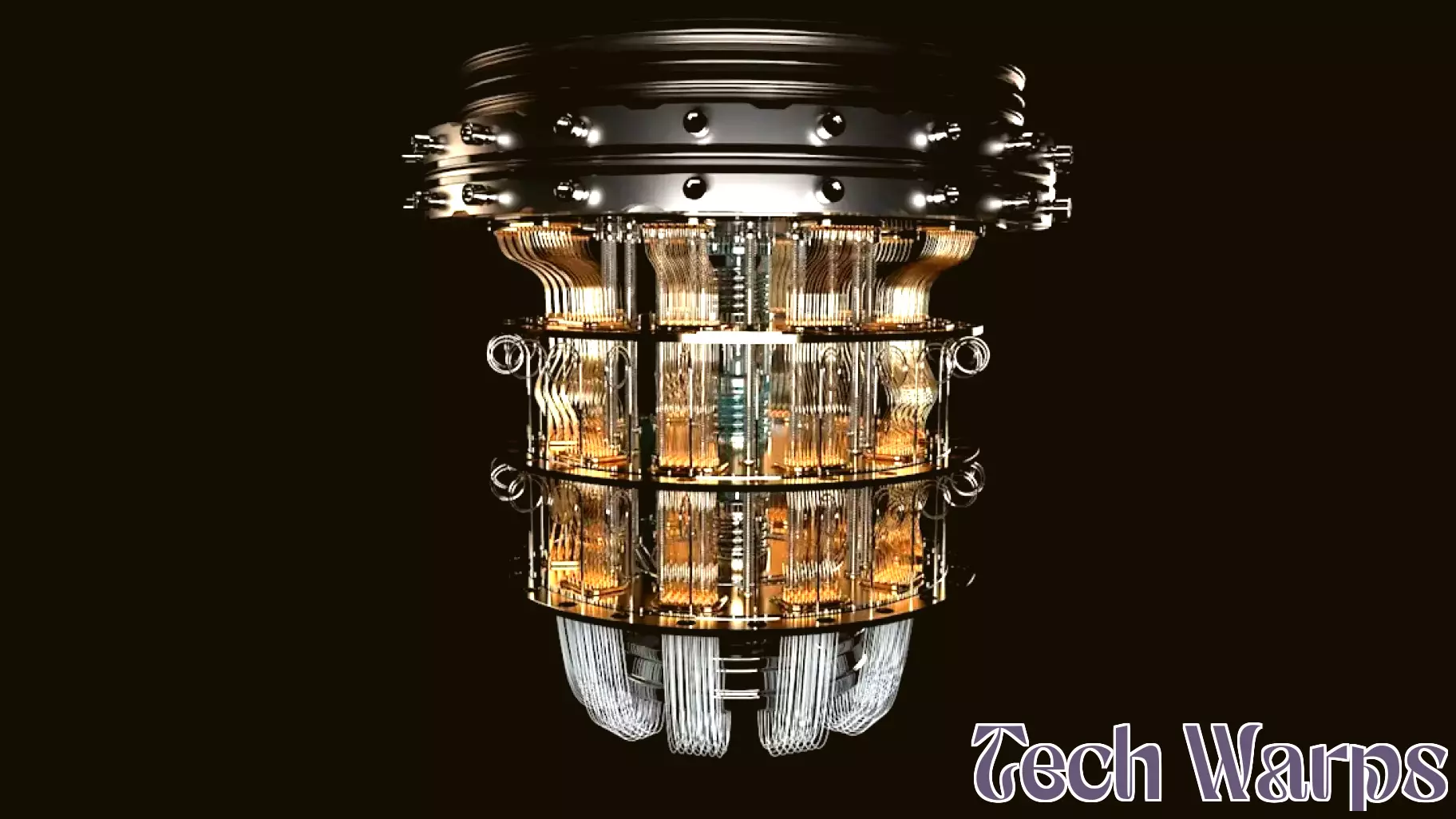
Quantum computing is still early, but two pure-play companies are already carving out distinct paths. IonQ and Rigetti Computing both focus exclusively on quantum hardware, yet their underlying technology could not be more different. That difference matters for investors and researchers trying to figure out which firm has the real edge.
IonQ builds its machines using trapped ions. In simple terms, it suspends individual atoms in electromagnetic fields and uses lasers to manipulate their quantum states. This approach is known for extremely low error rates and long coherence times, meaning the qubits hold their information longer. IonQ has also pushed toward higher qubit counts through a technique called photonic interconnects, which link multiple ion traps together. The company claims its latest systems can run certain algorithms with accuracy that rivals classical supercomputers for specific tasks.
Rigetti, on the other hand, uses superconducting circuits. These are tiny loops of metal that become quantum when cooled to near absolute zero. This is the same general path that IBM and Google follow, which means Rigetti benefits from a larger ecosystem of research and manufacturing tools. Superconducting qubits switch faster than trapped ions, which is a plus for speed. But they are also more prone to errors from tiny temperature shifts or material imperfections. Rigetti has focused on building a multi-chip architecture, where smaller quantum processors are connected to scale up, rather than trying to put everything on one giant chip.
So which technology is stronger? It depends on the metric. IonQ leads in raw fidelity and error correction, which is critical for running deep algorithms without the results falling apart. Rigetti leads in speed and manufacturability, which could matter more for commercial scaling down the line. Right now, IonQ has demonstrated more complex operations on its hardware, but Rigetti has a clearer roadmap for integrating quantum chips with classical control systems.
Neither company has solved the big problem of fault tolerance yet. Both are still years away from running useful, error-corrected calculations at scale. But the choice between them is not just about who has the better lab results today. It is about which physical approach will prove easier to scale, stabilize, and eventually mass produce. IonQ bets on precision and stability. Rigetti bets on speed and integration. The market will decide, but the science is still very much in motion.
MORE NEWS

October 21, 2026 - 03:17
Minnesota Tech Leaders Have One Week Left to Sign Up for Minneapolis SummitTechnology executives in Minnesota have one week left to register for the 12th Annual Minneapolis C-Level Technology Leadership Summit. The event, organized by HMG Strategy, is set to bring...

October 20, 2026 - 03:38
Surgical Adhesive Offers Alternative to Traditional StitchesA new medical adhesive developed by researchers with ties to MIT could change how surgeons close wounds and repair tissue. The material, created by a company founded by MIT alumnus Hyunwoo Yuk, is...

October 19, 2026 - 22:49
Transit Technology, Innovation, and Building Trust in Public AgenciesThe evolution of transit technology has changed how public agencies operate, according to ETA founder and CEO John Maglio. In a discussion on the subject, Maglio examined the path that transit...

October 19, 2026 - 04:34
China Tightens Solar Export Rules for 2026, Raising Supply and Price ConcernsChina plans to restrict exports of 12 solar manufacturing technologies starting in 2026, a move that could reshape global supply chains and push panel prices higher. The measures target advanced...