Lakeland Introduces AI Technology to Address Pothole Issues
January 7, 2026 - 09:29

The city of Lakeland will soon use artificial intelligence technology to tackle the pothole problem on our roadways. This innovative approach aims to enhance the maintenance and safety of the city's streets, which have been plagued by deteriorating conditions. By implementing AI sensors, officials hope to identify and prioritize areas in need of repair more efficiently than traditional methods allow.
The new system will analyze data collected from various sources, including traffic patterns and weather conditions, to predict where potholes are likely to form. This proactive strategy will enable city workers to address issues before they escalate, ultimately saving time and taxpayer money. The initiative is part of a broader effort to modernize infrastructure and improve overall public safety.
Local leaders are optimistic that this technology will not only reduce the number of potholes but also enhance the quality of life for residents. As Lakeland embraces these advancements, it sets a precedent for other cities facing similar challenges.
MORE NEWS

October 21, 2026 - 03:17
Minnesota Tech Leaders Have One Week Left to Sign Up for Minneapolis SummitTechnology executives in Minnesota have one week left to register for the 12th Annual Minneapolis C-Level Technology Leadership Summit. The event, organized by HMG Strategy, is set to bring...

October 20, 2026 - 03:38
Surgical Adhesive Offers Alternative to Traditional StitchesA new medical adhesive developed by researchers with ties to MIT could change how surgeons close wounds and repair tissue. The material, created by a company founded by MIT alumnus Hyunwoo Yuk, is...

October 19, 2026 - 22:49
Transit Technology, Innovation, and Building Trust in Public AgenciesThe evolution of transit technology has changed how public agencies operate, according to ETA founder and CEO John Maglio. In a discussion on the subject, Maglio examined the path that transit...
October 19, 2026 - 04:34
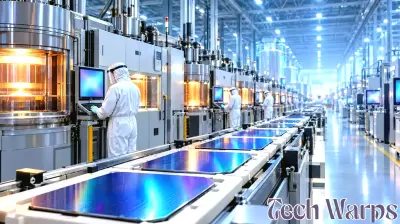
China Tightens Solar Export Rules for 2026, Raising Supply and Price ConcernsChina plans to restrict exports of 12 solar manufacturing technologies starting in 2026, a move that could reshape global supply chains and push panel prices higher. The measures target advanced...