Lawmakers debate license plate reader technology
August 8, 2026 - 02:51

Every day, untold numbers of Californians drive past the thousands of cameras posted along roadways or installed on patrol cars. These automated license plate readers, known as ALPRs, capture and store images of every plate they see, along with the time and location. Now, state lawmakers are wrestling with how to regulate this rapidly spreading surveillance tool.
The core of the debate centers on privacy versus public safety. Supporters, including many police chiefs and sheriff's departments, argue that the technology is a force multiplier. It helps recover stolen vehicles, locate missing persons with dementia, and identify suspects in violent crimes within minutes, not days. They point to cases where a quick hit from an ALPR led to an arrest that might otherwise have taken weeks of manual work.
Opponents, however, see a different picture. Civil liberties groups and some Democratic legislators warn that the data creates a permanent record of where every driver has been. They argue that this allows the government to build a detailed map of a person's life, including visits to doctors, political meetings, or places of worship. The concern is not just about current use but about future access, especially by federal agencies or private companies.
The proposed legislation would set strict limits on how long data can be kept, currently proposed at 60 days for most agencies. It would also require warrants for most searches of the data, with exceptions for emergencies. Police would need to report annually on how often they use the system and how many queries they run.
The bill faces a tough road. Law enforcement groups have lobbied heavily against the warrant requirement, saying it slows down time-sensitive investigations. They also argue that a 60-day retention period is too short, as some cases, like human trafficking or cold cases, surface months later.
Lawmakers on both sides say they want a balance, but finding it has proven difficult. The committee hearing stretched past three hours with no clear consensus. A vote is expected in the coming weeks, and the outcome could set a precedent for how other states handle this fast-growing technology. For now, the cameras keep clicking, and the debate continues.
MORE NEWS

October 21, 2026 - 03:17
Minnesota Tech Leaders Have One Week Left to Sign Up for Minneapolis SummitTechnology executives in Minnesota have one week left to register for the 12th Annual Minneapolis C-Level Technology Leadership Summit. The event, organized by HMG Strategy, is set to bring...
October 20, 2026 - 03:38
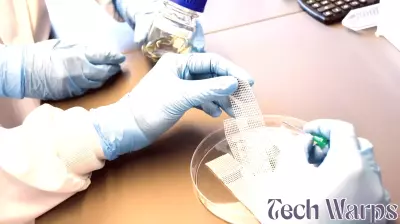
Surgical Adhesive Offers Alternative to Traditional StitchesA new medical adhesive developed by researchers with ties to MIT could change how surgeons close wounds and repair tissue. The material, created by a company founded by MIT alumnus Hyunwoo Yuk, is...

October 19, 2026 - 22:49
Transit Technology, Innovation, and Building Trust in Public AgenciesThe evolution of transit technology has changed how public agencies operate, according to ETA founder and CEO John Maglio. In a discussion on the subject, Maglio examined the path that transit...

October 19, 2026 - 04:34
China Tightens Solar Export Rules for 2026, Raising Supply and Price ConcernsChina plans to restrict exports of 12 solar manufacturing technologies starting in 2026, a move that could reshape global supply chains and push panel prices higher. The measures target advanced...