Root Access: AI and technology in medicine
July 29, 2026 - 01:00
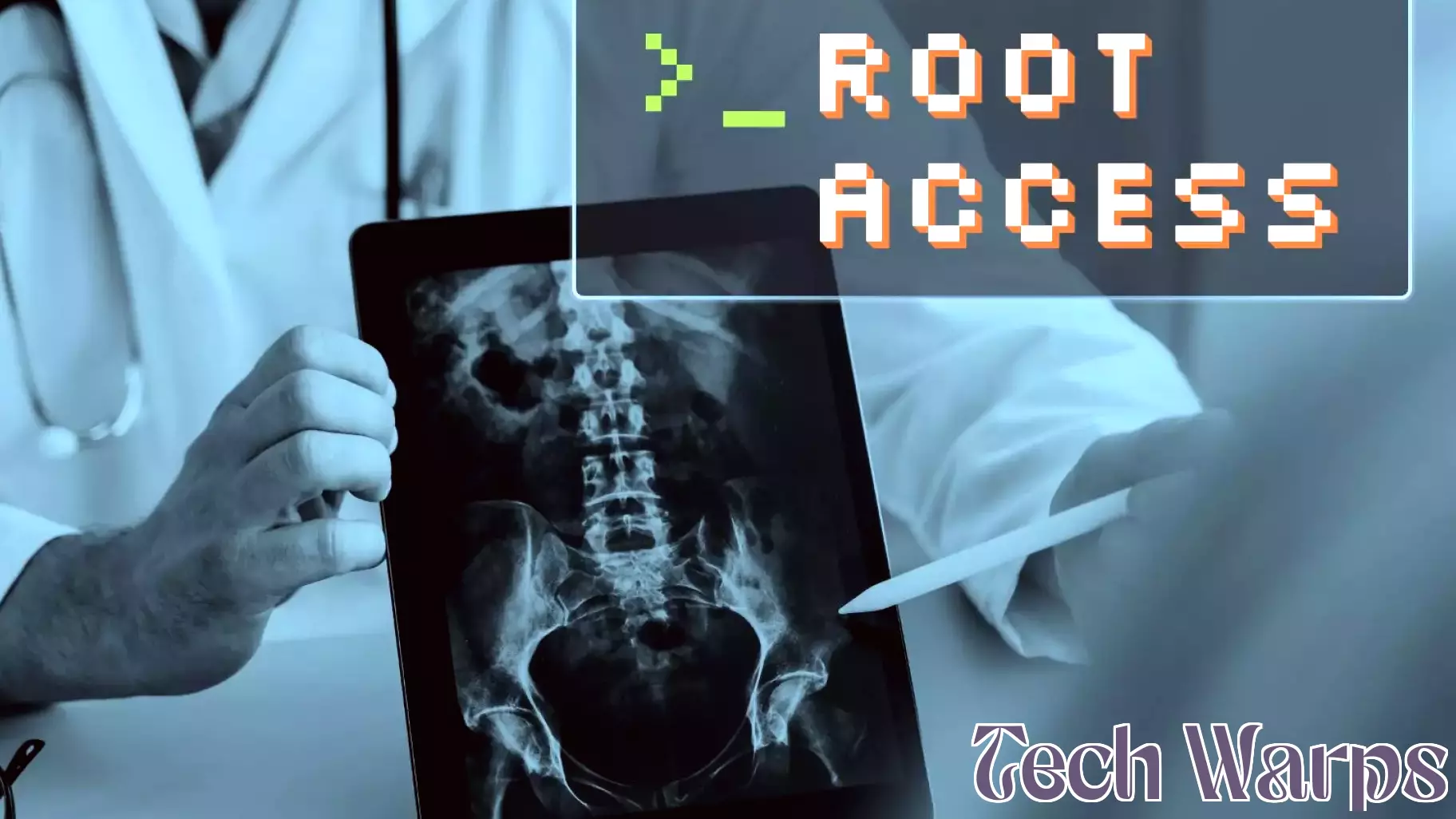
Artificial intelligence is quietly reshaping the practice of medicine, moving beyond hype into daily clinical use. One of the most visible changes is the rise of ambient scribes, AI systems that listen to patient visits and automatically generate clinical notes. Doctors who use these tools report less time on paperwork and a significant drop in burnout, allowing them to focus more on the person in front of them rather than the computer screen.
Beyond documentation, AI is increasingly used to assist with diagnosis. Algorithms trained on thousands of medical images can flag suspicious findings on X-rays, CT scans, and pathology slides, often catching subtle details a human eye might miss. Some systems are also being tested to predict patient deterioration by analyzing vital signs and lab results in real time, giving nurses and doctors an earlier warning.
But the technology is not a plug-and-play solution. Success depends on careful deployment. If an AI tool is rolled out without proper integration into existing workflows, it can create more work instead of less. False positives from diagnostic algorithms can lead to unnecessary tests and patient anxiety. And if the underlying data used to train the system is not diverse, the tool may perform poorly on certain populations, widening health disparities.
Skilled IT support is essential. Hospitals need teams that understand both the clinical environment and the technical limits of AI. These teams must monitor performance, update models as new data comes in, and ensure that the systems remain secure and compliant with privacy rules. Without that human oversight, even the most advanced AI can become a liability.
The promise is real, but the path forward requires patience, investment, and a clear-eyed understanding of what AI can and cannot do.
MORE NEWS

October 21, 2026 - 03:17
Minnesota Tech Leaders Have One Week Left to Sign Up for Minneapolis SummitTechnology executives in Minnesota have one week left to register for the 12th Annual Minneapolis C-Level Technology Leadership Summit. The event, organized by HMG Strategy, is set to bring...
October 20, 2026 - 03:38
Surgical Adhesive Offers Alternative to Traditional StitchesA new medical adhesive developed by researchers with ties to MIT could change how surgeons close wounds and repair tissue. The material, created by a company founded by MIT alumnus Hyunwoo Yuk, is...

October 19, 2026 - 22:49
Transit Technology, Innovation, and Building Trust in Public AgenciesThe evolution of transit technology has changed how public agencies operate, according to ETA founder and CEO John Maglio. In a discussion on the subject, Maglio examined the path that transit...

October 19, 2026 - 04:34
China Tightens Solar Export Rules for 2026, Raising Supply and Price ConcernsChina plans to restrict exports of 12 solar manufacturing technologies starting in 2026, a move that could reshape global supply chains and push panel prices higher. The measures target advanced...