Sam Altman Kicks Off 2025 with a Thought-Provoking Poem on AI's Future
January 5, 2025 - 04:08

OpenAI founder Sam Altman's first post of 2025 has sparked intrigue and concern with a cryptic poem that delves into the complexities of technological singularity. The poem raises significant questions about the trajectory of artificial intelligence and its potential impact on human civilization.
In his verses, Altman reflects on the rapid advancements in AI technology, hinting at both the promises and perils that lie ahead. The imagery and themes presented in the poem suggest a deep contemplation of the ethical implications and existential risks associated with increasingly autonomous systems.
As AI continues to evolve, Altman's words resonate with many who are grappling with the dual-edged nature of innovation. The poem serves as a reminder of the urgent need for dialogue and consideration regarding the future of technology, urging society to tread carefully as it navigates the uncharted waters of artificial intelligence. The artistic expression has ignited discussions among experts and enthusiasts alike, pondering what the future holds for humanity in an age of advanced AI.
MORE NEWS
October 27, 2026 - 00:06
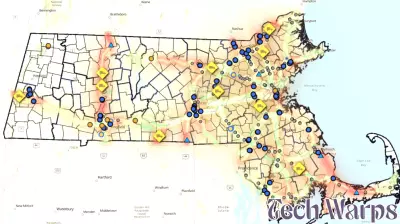
Massachusetts Wrong-Way Detection Systems Flag More Than 215 IncidentsMassachusetts transportation officials say a network of wrong-way driving detection systems installed since June has already identified more than 215 incidents across the state. The program, which...

October 26, 2026 - 00:19
Pentagon Launches Hidden Unit to Counter Foreign Tech ThreatsThe Pentagon has quietly launched a new surveillance unit known as the Technology Support Office to mitigate foreign technological advancements that threaten United States military superiority. The...
October 25, 2026 - 12:29
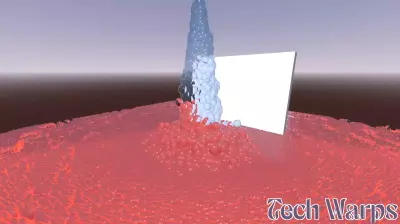
A PhysX 5 module with PXTGI lighting technology was developed for the Godot 4 game engine.A developer named uno1982 from Wild Ox Studios has unveiled a major NVIDIA PhysX 5 physics engine integration module for Godot 4, introducing a new lighting technology called PXTGI. The project...

October 24, 2026 - 20:38
New York Police Negotiating to Deploy AI Powered Cell Tracking SystemNew York City police officials are in talks to adopt a new artificial intelligence driven surveillance platform that could significantly expand the department`s ability to locate and track cell...