Singapore Looks to 19th Century Tech to Ease Modern-Day Heat
June 13, 2026 - 03:57
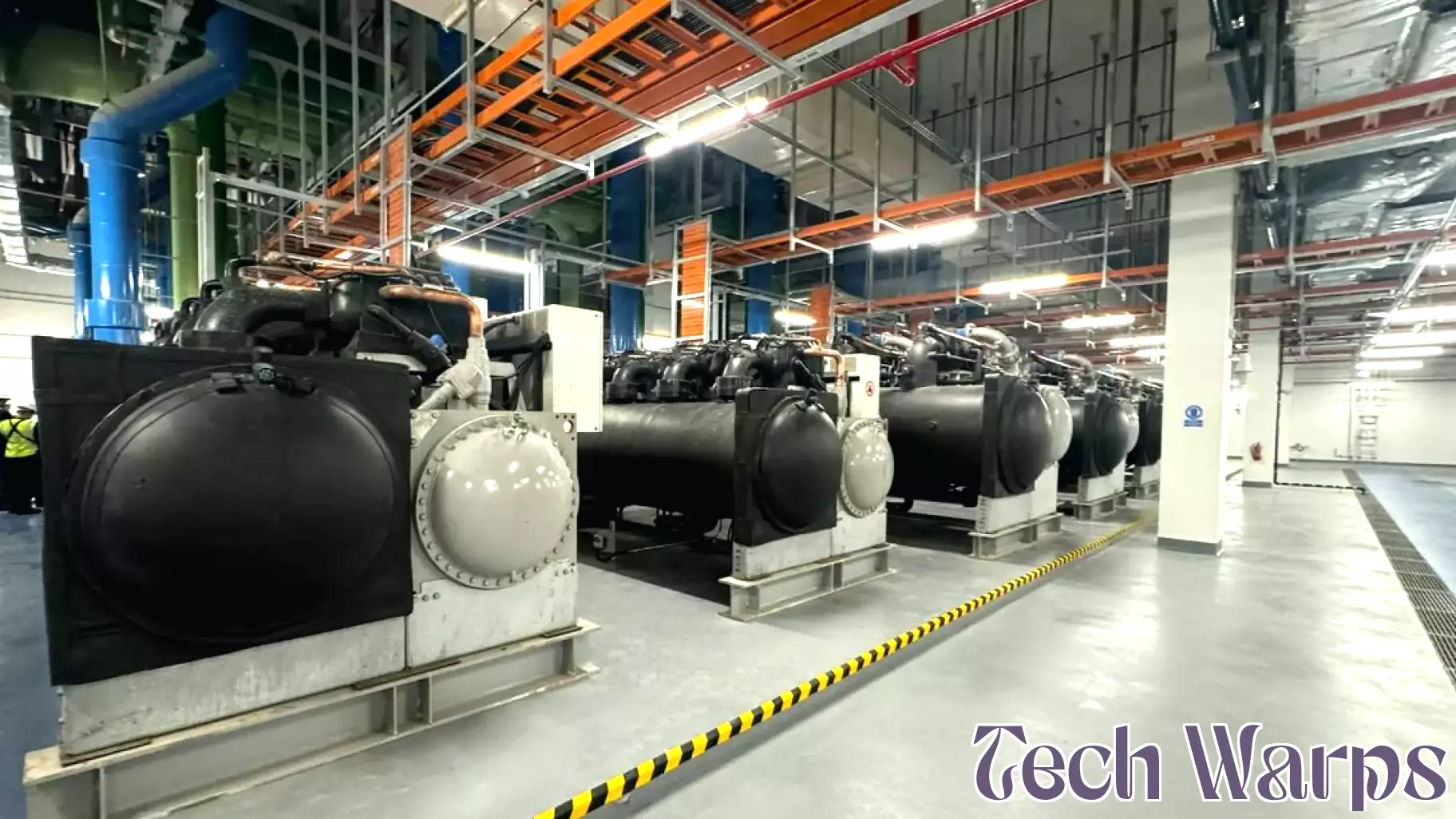
As global temperatures climb, Singapore is reviving a concept from the 1800s to keep its residents cool without burning through fossil fuels. The city-state has expanded its use of district cooling, a system that chills water at a central plant and pipes it underground to air conditioning units in buildings. This method, first used in the 19th century to cool buildings in New York, replaces individual compressors and refrigerants that leak heat and consume massive amounts of electricity.
Singapore's version now serves the Marina Bay financial district and several large housing estates. The system uses less power than traditional AC units because it centralizes the cooling process and runs on more efficient industrial chillers. Officials estimate it cuts energy use by up to 30 percent in connected buildings. That reduction matters in a country where air conditioning accounts for roughly one-third of household electricity consumption.
The underground network of insulated pipes also frees up rooftop space for gardens and solar panels. Engineers are now testing ways to integrate the system with smart grids, allowing it to store cold water during off-peak hours and release it when demand spikes. While the upfront cost of laying pipes and building plants is high, the government argues the long-term savings on electricity and maintenance make it worthwhile.
Critics note that district cooling still relies on electricity, which in Singapore comes mostly from natural gas. But the system is designed to switch to renewable energy sources as the grid decarbonizes. For now, it offers a practical way to beat the heat without making the climate crisis worse.
MORE NEWS

October 21, 2026 - 03:17
Minnesota Tech Leaders Have One Week Left to Sign Up for Minneapolis SummitTechnology executives in Minnesota have one week left to register for the 12th Annual Minneapolis C-Level Technology Leadership Summit. The event, organized by HMG Strategy, is set to bring...
October 20, 2026 - 03:38
Surgical Adhesive Offers Alternative to Traditional StitchesA new medical adhesive developed by researchers with ties to MIT could change how surgeons close wounds and repair tissue. The material, created by a company founded by MIT alumnus Hyunwoo Yuk, is...

October 19, 2026 - 22:49
Transit Technology, Innovation, and Building Trust in Public AgenciesThe evolution of transit technology has changed how public agencies operate, according to ETA founder and CEO John Maglio. In a discussion on the subject, Maglio examined the path that transit...

October 19, 2026 - 04:34
China Tightens Solar Export Rules for 2026, Raising Supply and Price ConcernsChina plans to restrict exports of 12 solar manufacturing technologies starting in 2026, a move that could reshape global supply chains and push panel prices higher. The measures target advanced...