The Return of Red-Light Cameras in Tempe: A Cause for Concern
May 17, 2025 - 10:14
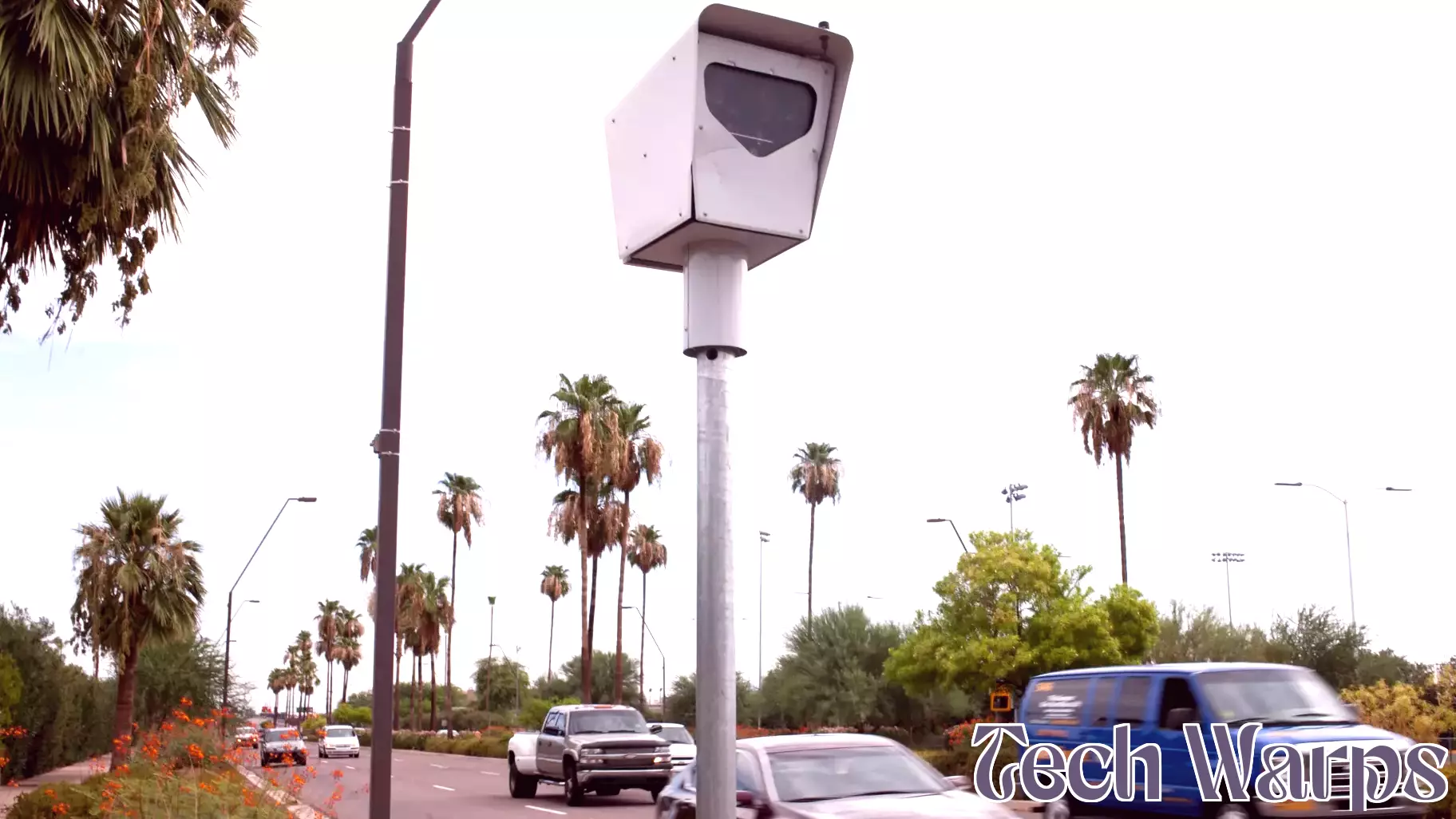
Fourteen red-light cameras have made their comeback at several dangerous intersections in Tempe, sparking a wave of mixed reactions from the community. A decade ago, the reintroduction of such cameras would have been seen as a positive step towards enhancing road safety and reducing accidents. However, sentiments have shifted, and many now question their effectiveness and fairness.
Critics argue that these cameras often serve as revenue generators for the city rather than genuine safety measures. There are concerns that the cameras may lead to abrupt stops and rear-end collisions as drivers rush to avoid fines. Additionally, some residents feel that the presence of these cameras disproportionately targets low-income communities, raising issues of equity in traffic enforcement.
As Tempe grapples with this controversial decision, the debate over the role of red-light cameras in promoting road safety versus generating revenue continues to intensify. The community must weigh the potential benefits against the drawbacks as these cameras return to the streets.
MORE NEWS

October 21, 2026 - 03:17
Minnesota Tech Leaders Have One Week Left to Sign Up for Minneapolis SummitTechnology executives in Minnesota have one week left to register for the 12th Annual Minneapolis C-Level Technology Leadership Summit. The event, organized by HMG Strategy, is set to bring...

October 20, 2026 - 03:38
Surgical Adhesive Offers Alternative to Traditional StitchesA new medical adhesive developed by researchers with ties to MIT could change how surgeons close wounds and repair tissue. The material, created by a company founded by MIT alumnus Hyunwoo Yuk, is...

October 19, 2026 - 22:49
Transit Technology, Innovation, and Building Trust in Public AgenciesThe evolution of transit technology has changed how public agencies operate, according to ETA founder and CEO John Maglio. In a discussion on the subject, Maglio examined the path that transit...

October 19, 2026 - 04:34
China Tightens Solar Export Rules for 2026, Raising Supply and Price ConcernsChina plans to restrict exports of 12 solar manufacturing technologies starting in 2026, a move that could reshape global supply chains and push panel prices higher. The measures target advanced...