The technology that could bring robot mowers to one in two American lawns
August 22, 2026 - 22:12
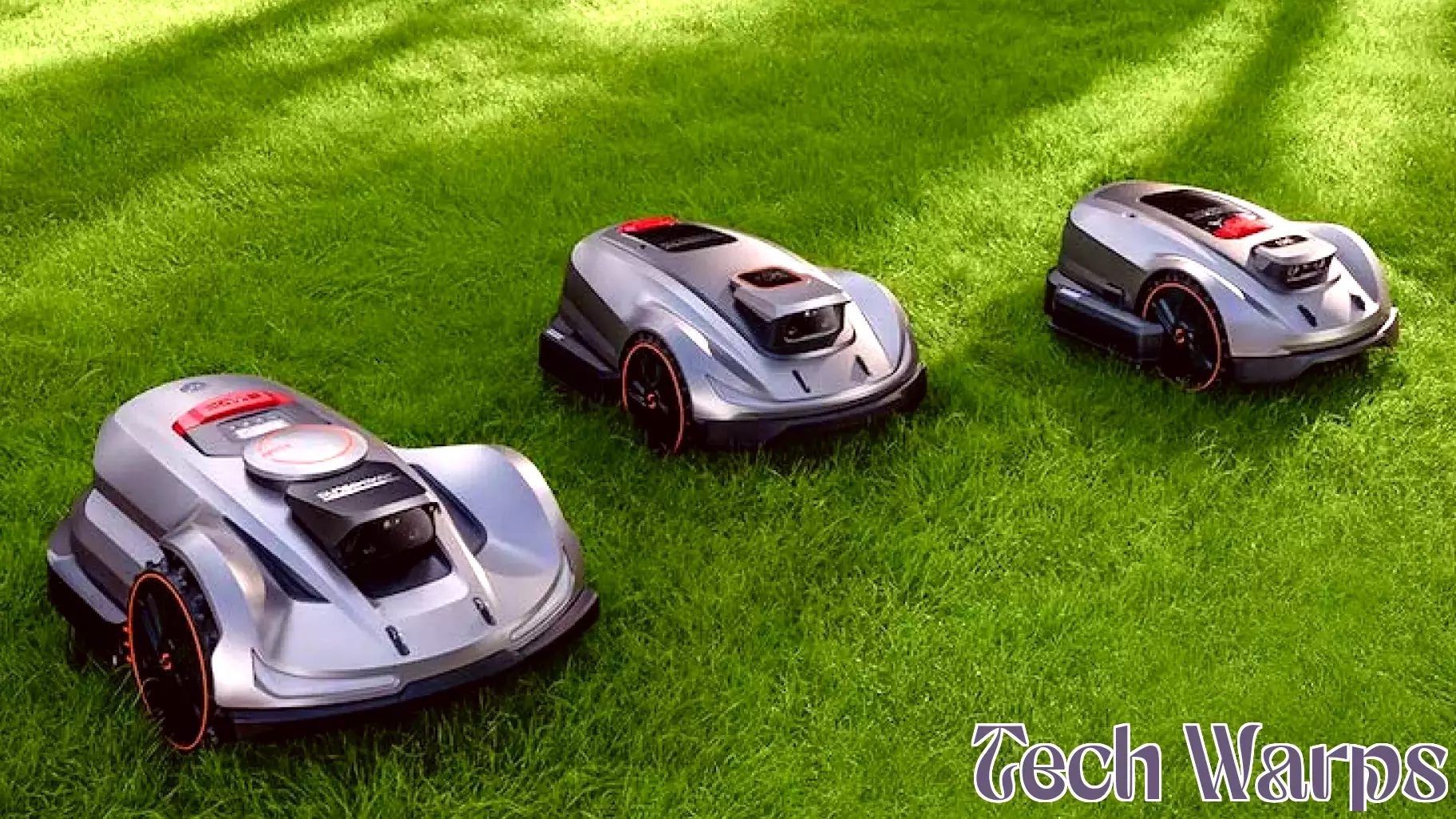
For years, robotic lawn mowers have been a common sight in Europe but a rare curiosity in the United States. That gap is closing fast, and the reason is not just cheaper batteries or better motors. The real shift is happening in software. Advances in artificial intelligence, satellite navigation, and machine vision have turned a once-fussy gadget into a tool that can handle the messy reality of a typical American property.
The old problem was simple. European lawns are usually small, flat, and enclosed by fences or hedges. A robot could bump around inside that space and eventually cover it. American yards are different. They are bigger, often uneven, and have no clear boundary. Early robots needed a buried wire to mark the cutting area, which was a pain to install and easy to break. That alone kept most homeowners away.
Now, that wire is gone. Modern mowers use real-time kinematic GPS, which gives them centimeter-level accuracy. They know where they are without any physical guide. But GPS alone is not enough under a dense tree canopy or next to a tall house. That is where machine vision comes in. The mower uses cameras to see the grass edge, spot obstacles like toys or sprinkler heads, and even learn the shape of flower beds. AI ties it all together, letting the mower build a map of the yard on its first run and then improve it every time after.
The result is a machine that can handle a half-acre lot with slopes, narrow passages, and irregular shapes. It can navigate around a child's bicycle, avoid a garden hose, and return to its charging station before the battery dies. It does not need a boundary wire, and it does not need a person to watch it. That removes the two biggest barriers to adoption.
The market is responding. Prices have dropped, and the big lawn equipment brands are now offering models that were unthinkable five years ago. As the technology keeps improving, the question is no longer whether robot mowers will catch on in the U.S. It is how fast. Given the size of the average American lawn, the potential is enormous. One in two lawns could soon be cut by a robot, not by a person pushing a machine. That is not a wild prediction. It is just the natural next step.
MORE NEWS

October 21, 2026 - 03:17
Minnesota Tech Leaders Have One Week Left to Sign Up for Minneapolis SummitTechnology executives in Minnesota have one week left to register for the 12th Annual Minneapolis C-Level Technology Leadership Summit. The event, organized by HMG Strategy, is set to bring...

October 20, 2026 - 03:38
Surgical Adhesive Offers Alternative to Traditional StitchesA new medical adhesive developed by researchers with ties to MIT could change how surgeons close wounds and repair tissue. The material, created by a company founded by MIT alumnus Hyunwoo Yuk, is...

October 19, 2026 - 22:49
Transit Technology, Innovation, and Building Trust in Public AgenciesThe evolution of transit technology has changed how public agencies operate, according to ETA founder and CEO John Maglio. In a discussion on the subject, Maglio examined the path that transit...

October 19, 2026 - 04:34
China Tightens Solar Export Rules for 2026, Raising Supply and Price ConcernsChina plans to restrict exports of 12 solar manufacturing technologies starting in 2026, a move that could reshape global supply chains and push panel prices higher. The measures target advanced...