Utilizing Technology and Global Cooperation to Study Peatlands
October 15, 2025 - 04:21

The PeatPic Project has embarked on an innovative journey by leveraging technology and international collaboration to deepen our understanding of peatlands. By utilizing over 3,700 smartphone photographs collected from 27 different peatland sites across 10 countries, researchers are gathering crucial data on the effects of climate change on these vital ecosystems.
Peatlands, known for their ability to sequester carbon, play a significant role in regulating the global climate. However, they are increasingly threatened by rising temperatures and changing precipitation patterns. The project aims to analyze the photographic data to assess the health and changes occurring within these peatland systems.
By harnessing the power of citizen science, the PeatPic Project not only enhances scientific research but also engages communities worldwide in environmental stewardship. As the project progresses, it holds the potential to inform conservation efforts and policy decisions, ensuring the protection of these essential habitats for future generations.
MORE NEWS

October 21, 2026 - 03:17
Minnesota Tech Leaders Have One Week Left to Sign Up for Minneapolis SummitTechnology executives in Minnesota have one week left to register for the 12th Annual Minneapolis C-Level Technology Leadership Summit. The event, organized by HMG Strategy, is set to bring...
October 20, 2026 - 03:38
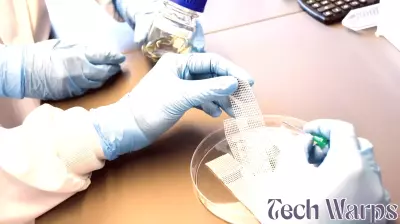
Surgical Adhesive Offers Alternative to Traditional StitchesA new medical adhesive developed by researchers with ties to MIT could change how surgeons close wounds and repair tissue. The material, created by a company founded by MIT alumnus Hyunwoo Yuk, is...

October 19, 2026 - 22:49
Transit Technology, Innovation, and Building Trust in Public AgenciesThe evolution of transit technology has changed how public agencies operate, according to ETA founder and CEO John Maglio. In a discussion on the subject, Maglio examined the path that transit...

October 19, 2026 - 04:34
China Tightens Solar Export Rules for 2026, Raising Supply and Price ConcernsChina plans to restrict exports of 12 solar manufacturing technologies starting in 2026, a move that could reshape global supply chains and push panel prices higher. The measures target advanced...