Building Smarter Factories with Deep Learning by 2026
4 May 2026
Let me paint you a picture. You are standing on a factory floor in 2026. The air hums with quiet machinery. A robot arm glides over a conveyor belt, pauses for a split second, then plucks a defective circuit board from the line before it even reaches the next station. No one yelled "stop." No red light flashed. The machine just knew. That is not science fiction. That is deep learning moving from the lab into the real world of manufacturing. And it is happening faster than most people realize.
I have been watching this space for years, and I can tell you one thing for sure: the factories of 2026 will not look like the factories of 2016. They will not even look like the factories of 2023. The difference is deep learning, and it is about to change everything about how we make stuff.
Why Deep Learning, Not Just AI?
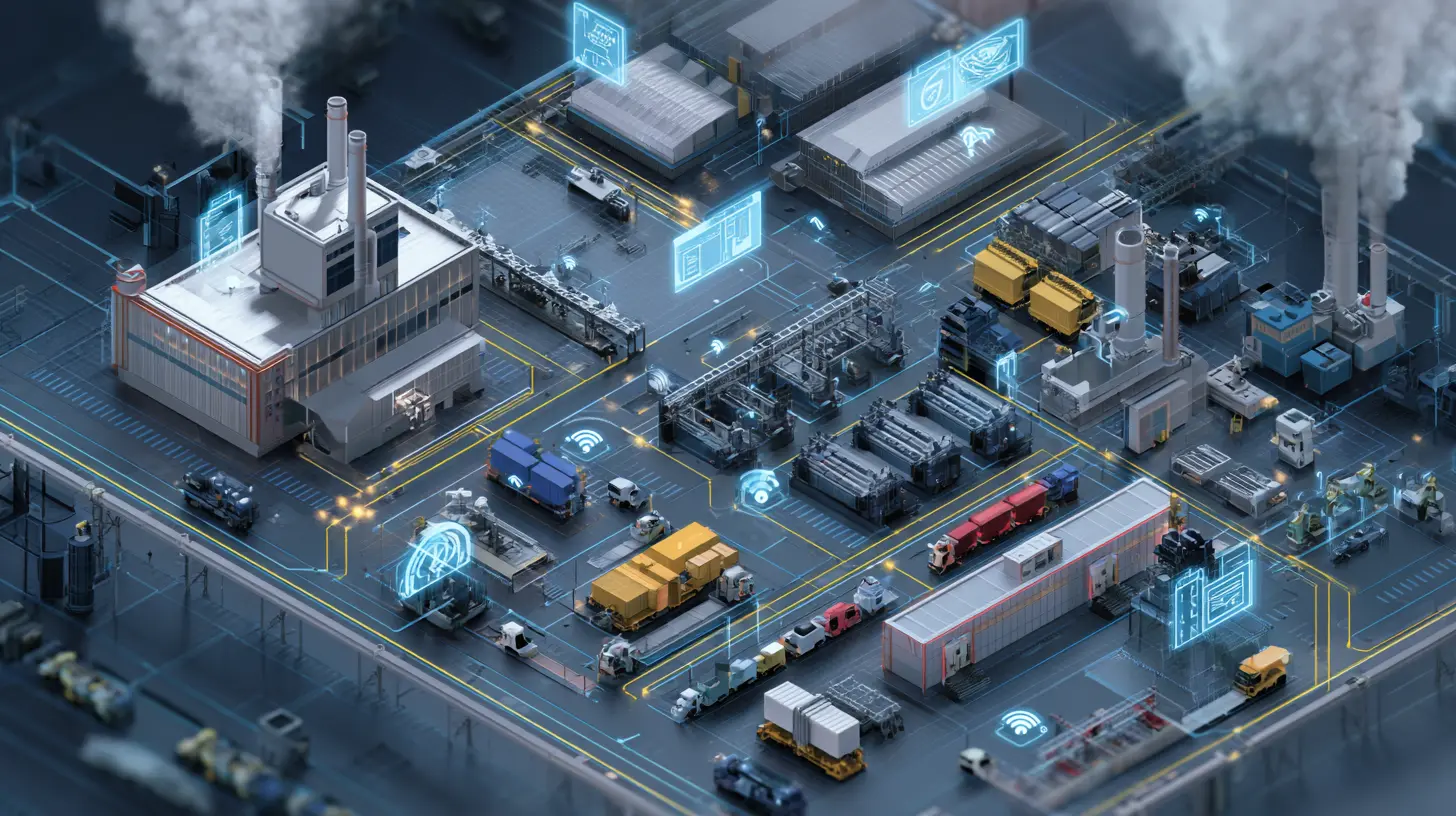
First, let me clear up a common confusion. People throw around "AI" like it is candy. But deep learning is a specific flavor. Think of AI as a big toolbox. Inside you have rules-based systems, simple decision trees, and old-school algorithms. Deep learning is the power drill in that box. It learns from raw data, figures out patterns that humans would never spot, and gets smarter the more it works.Traditional automation is like a player piano. It plays the same notes every time, perfectly, but it cannot improvise. Deep learning is more like a jazz musician. It listens, adapts, and finds new rhythms. In a factory, that flexibility is gold. A traditional robot can weld a car door exactly the same way ten thousand times. A deep learning system can adjust its weld based on tiny variations in the metal temperature, humidity, or even the slight wear on its own tools. That is the difference between rigid and smart.
The 2026 Reality: What Will Actually Change?
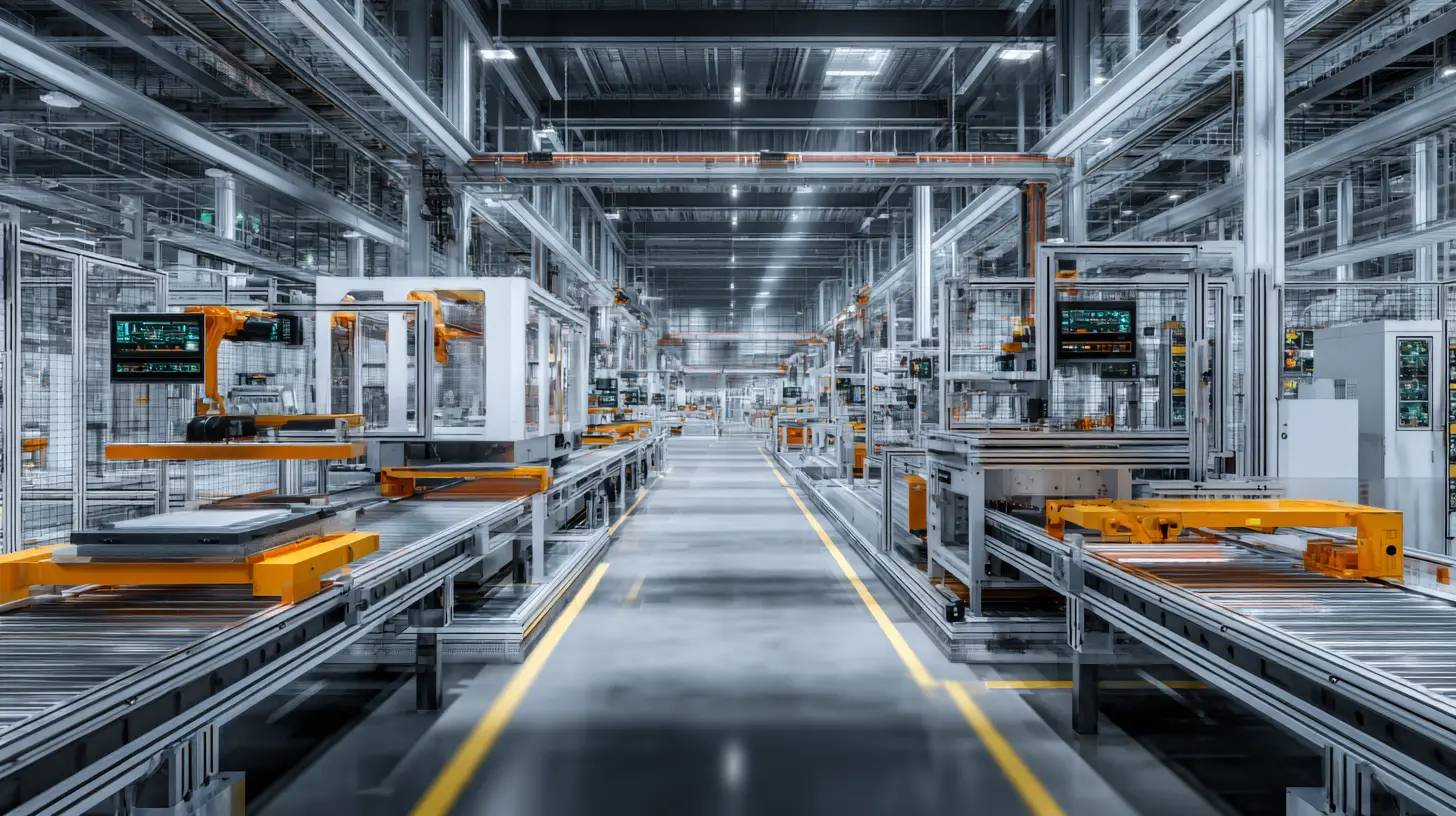
Let me walk you through the specific areas where deep learning will reshape factories by 2026. I am not talking about pie-in-the-sky ideas. These are things already in prototype stages, scaling up fast.Predictive Maintenance Gets Real
You know that sinking feeling when a critical machine breaks down at 2 AM on a Sunday? Production stops. Overtime costs explode. Customers get angry. Right now, most factories rely on scheduled maintenance. Change the oil every 500 hours, replace the belt every 1000 cycles. But machines do not break on a schedule. They break when they are stressed, dirty, or just old.Deep learning changes this completely. By 2026, sensors on motors, pumps, and conveyors will feed continuous data into neural networks. These networks learn the normal vibration pattern, the normal heat signature, the normal electrical current draw. When something goes slightly off, the system spots it days or even weeks before a failure. It does not just say "something is wrong." It says "bearing number three in motor seven has 200 hours of life left." That is specific. That is actionable.
I have seen pilots in automotive plants where deep learning predicted bearing failures with 95% accuracy. The factory saved millions in unplanned downtime. By 2026, this will be standard, not exceptional.
Visual Inspection Without the Headache
If you have ever worked in quality control, you know the struggle. Humans are great at spotting defects, but they get tired, bored, and inconsistent. After hour six of staring at the same widget, your eyes play tricks on you. Traditional machine vision systems are better, but they need to be programmed for every single defect type. A scratch at a 45-degree angle? Write a new rule. A discoloration that is barely visible? Good luck.Deep learning flips this. You show the network thousands of good parts and thousands of bad parts. It figures out the patterns itself. By 2026, these systems will catch defects that humans miss, like micro-cracks in glass or subtle texture changes in plastic molding. And they will do it at full production speed. No breaks. No coffee. No complaining.
One electronics factory I visited cut their defect escape rate by 70% after switching to a deep learning vision system. The operators did not lose jobs. They moved to higher-value tasks like analyzing the defect data and improving the process upstream. That is the real win.
Adaptive Process Control
Here is a scenario you might recognize. You are running a chemical batch process. Temperature, pressure, and mix ratios need to stay within tight windows. But raw material quality varies. Humidity changes between summer and winter. The catalyst degrades over time. Operators constantly tweak knobs to keep things in spec.Deep learning can handle this automatically. By 2026, factories will have models that take in dozens of variables in real time and adjust parameters instantly. The system learns the complex relationships between input quality and output quality. It does not just follow a fixed recipe. It adapts the recipe on the fly.
I talked to a food processing plant that used deep learning to control their drying ovens. The result? Energy consumption dropped by 15%, and product consistency improved dramatically. The operators went from constantly adjusting dials to monitoring trends and exceptions. That is a smarter factory.
Supply Chain That Thinks Ahead
The factory floor does not exist in a vacuum. Raw materials come in, finished goods go out. By 2026, deep learning will connect these dots in ways that feel almost psychic. Imagine a system that knows a supplier in Vietnam is about to have a typhoon, that port congestion in Rotterdam is building, and that demand for your product just spiked because of a viral TikTok video. It then automatically adjusts production schedules and raw material orders.This is not magic. It is pattern recognition across massive datasets. Deep learning models can ingest news feeds, weather data, shipping logs, and social media trends. They find correlations that humans would never see. A factory that can anticipate disruptions before they happen is a factory that stays running. And in manufacturing, uptime is everything.
The Human Side: Will Robots Steal All The Jobs?
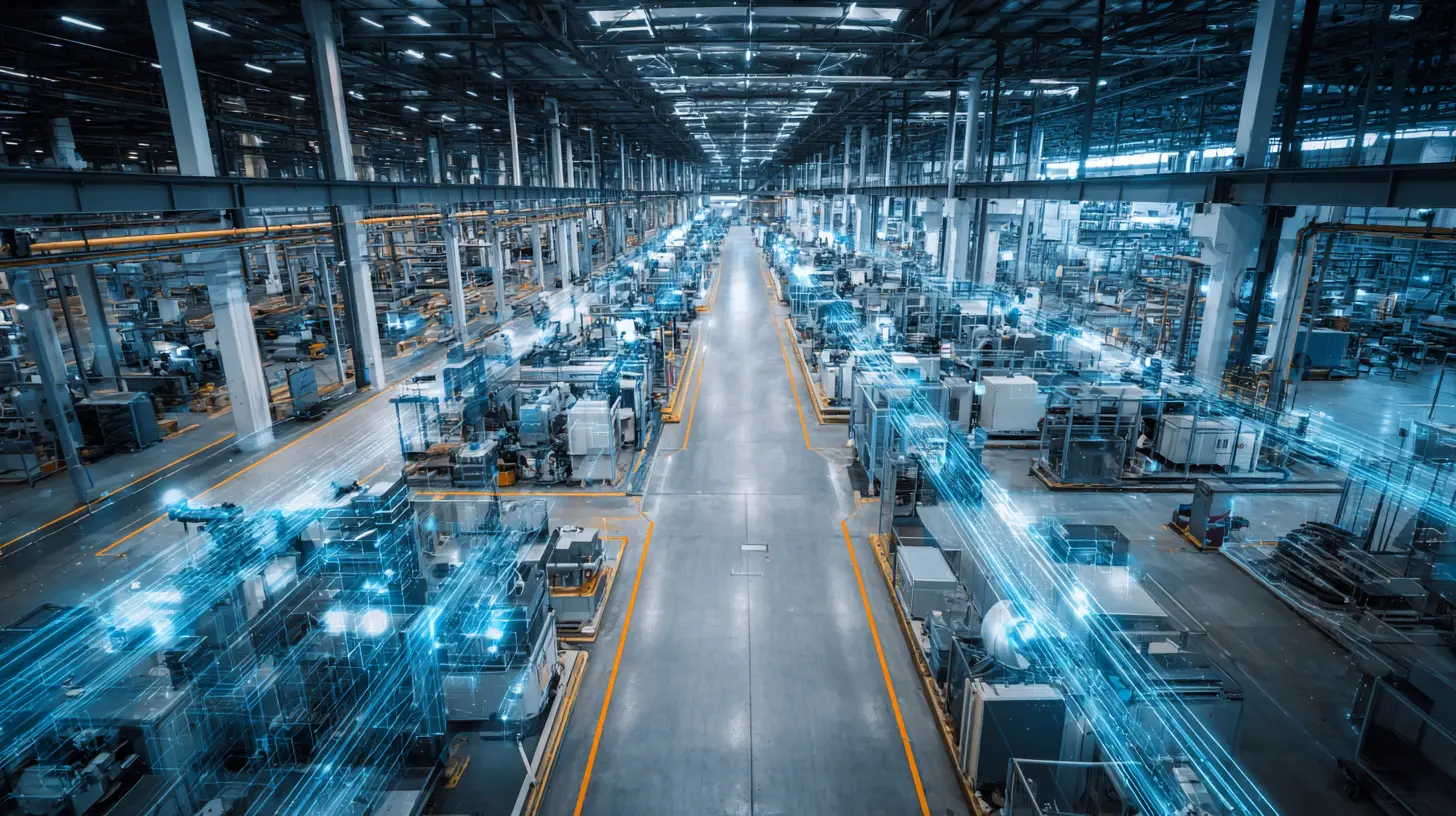
I get this question every time I talk about smart factories. Let me be honest with you. Some jobs will change. The person who used to manually inspect parts will likely move to a different role. But the idea that factories become empty, dark spaces with only robots is a myth.Here is what will actually happen. The boring, repetitive, dangerous tasks get automated. The person who used to stand in front of a conveyor for eight hours now monitors a dashboard, analyzes exceptions, and improves the system. The maintenance technician who used to change parts on a fixed schedule now diagnoses issues remotely and plans interventions precisely.
Deep learning handles the predictable. Humans handle the unpredictable, the creative, and the complex. By 2026, we will see more collaboration between people and machines, not replacement. Factories will need workers who understand data, who can ask the right questions, and who can troubleshoot when the model gets confused. Those are good jobs.
The Hard Part: Getting There
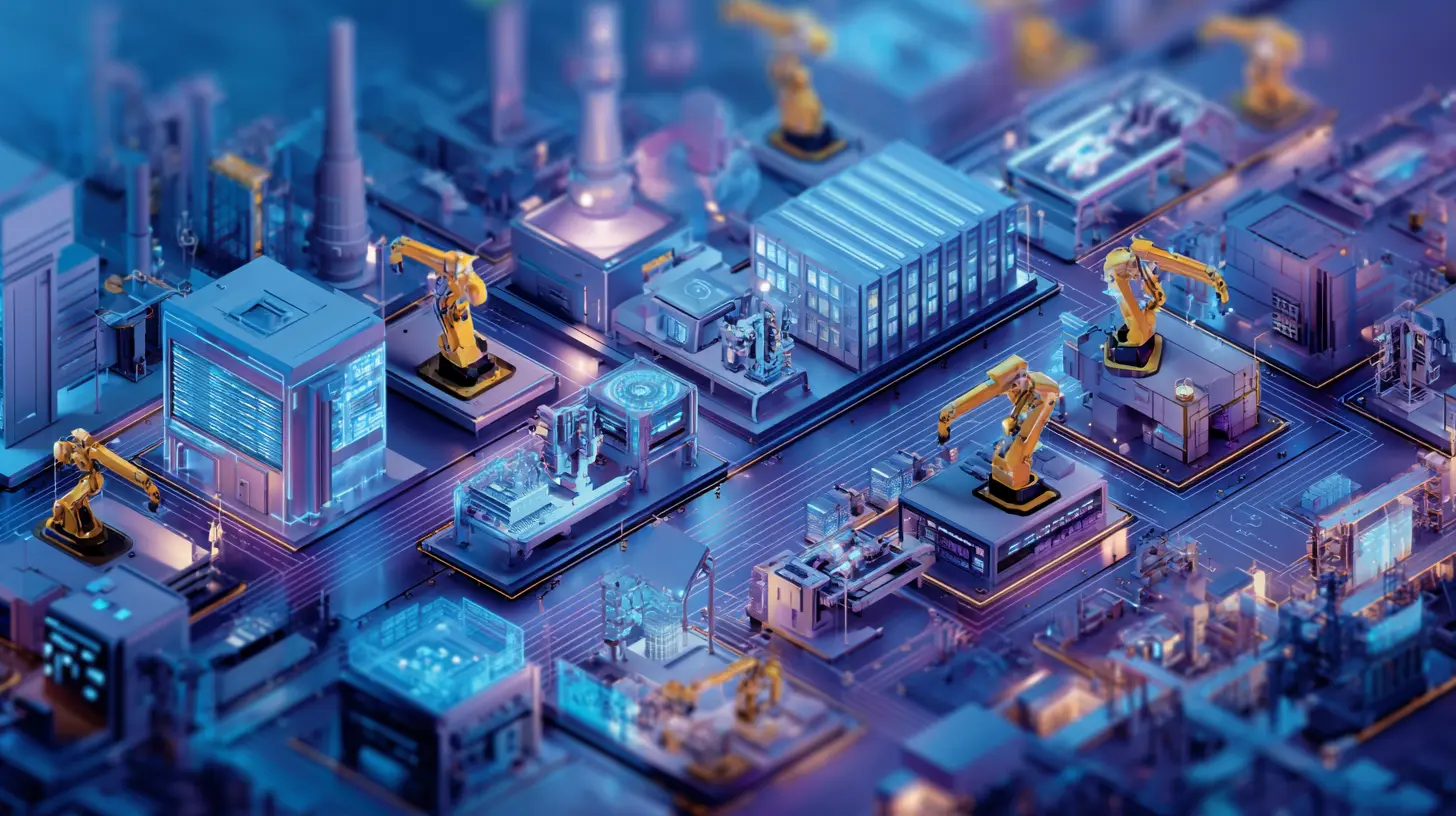
I do not want to sugarcoat this. Building a smarter factory with deep learning is not plug-and-play. There are real challenges.Data Quality Is King
Deep learning models are hungry. They need lots of clean, labeled data. If your factory has old machines with no sensors, you are starting from scratch. Retrofitting sensors costs money. Cleaning up messy data takes time. And if your data is garbage, your model will be garbage. Garbage in, garbage out never goes away.The Black Box Problem
Deep learning models are notoriously opaque. They make decisions, but explaining why is hard. In a factory, that can be a problem. If a model rejects a part, the operator wants to know why. Was it a scratch? A dent? A color shift? With deep learning, the answer is often "the network detected an anomaly." That is not satisfying for a quality engineer.By 2026, we will have better tools for interpretability. Techniques like attention maps and feature visualization will help. But this is an active area of research, not a solved problem.
Integration with Legacy Systems
Most factories run on equipment that is 10, 20, even 30 years old. That old PLC (programmable logic controller) does not speak the same language as a modern deep learning server. Getting them to talk requires middleware, custom interfaces, and a lot of patience. Some companies will rip and replace. Others will build bridges. Either way, it is a heavy lift.Cybersecurity Becomes Critical
When you connect everything to a network and give machines the ability to make decisions, you open new attack surfaces. A hacked deep learning model could cause a robot to move dangerously or stop production entirely. By 2026, cybersecurity will be a top priority for smart factories. Expect to see dedicated AI security teams, encrypted model updates, and continuous monitoring for adversarial attacks.Who Is Winning Right Now?
Let me give you some real-world examples, without naming names that will get me in trouble. A major semiconductor manufacturer uses deep learning to optimize their lithography process. They reduced defects by 30% and increased throughput. A car maker in Germany uses deep learning to predict paint quality. They catch orange peel texture and runs before the car leaves the booth. A beverage company uses it to spot misaligned labels at 600 bottles per minute.These are not hypotheticals. They are happening today. By 2026, the early adopters will have a serious competitive advantage. The laggards will struggle to catch up.
What The 2026 Factory Floor Actually Looks Like
Let me take you back to that opening scene, but with more detail. The factory floor in 2026 has fewer people walking around. But the people who are there are not just pushing buttons. They are wearing smart glasses that overlay data on their field of view. A technician sees a heat map of machine temperatures as she walks past. A quality engineer gets a ping on his tablet: "Line 4 anomaly detected. Probable cause: worn tool. Recommended action: replace in next 30 minutes."The machines themselves are quieter because they are running at optimal speeds, not flat out. Predictive maintenance means fewer emergency stops. Adaptive control means less waste. The overall equipment effectiveness (OEE) numbers are higher than anyone thought possible five years ago.
And here is the kicker. The factory is not just efficient. It is resilient. When a supplier misses a shipment, the system automatically reroutes production. When a machine starts to drift, it corrects itself. When demand spikes, the factory ramps up smoothly. That is the promise of deep learning in manufacturing.
The Bottom Line For You
If you are running a factory or working in manufacturing, you cannot ignore this. By 2026, deep learning will be a standard tool, not a competitive advantage. The window to get ahead is closing. Start small. Pick one process, one line, one problem. Get some sensors, collect some data, train a simple model. Prove it works. Then scale.The factories that win will be the ones that treat deep learning as a core capability, not a side project. They will invest in data infrastructure, in training their people, and in building a culture that trusts the machine but questions its results. That balance is hard, but it is worth it.
So here is my question for you. What is the one problem in your factory that keeps you up at night? Is it quality? Downtime? Waste? Whatever it is, deep learning can probably help. By 2026, it might be the only way to stay competitive.
The future of manufacturing is not about replacing humans with machines. It is about making humans and machines smarter together. And that future is closer than you think.
all images in this post were generated using AI tools
Category:
Deep LearningAuthor:

Adeline Taylor
Discussion
rate this article
2 comments
Aiden Palmer
Exciting times ahead! Embracing deep learning in factories will transform how we work and innovate. Let's look forward to a smarter, more efficient future together.
May 28, 2026 at 12:17 PM
Adeline Taylor
Absolutely! The potential of deep learning in factories is huge. Excited to see how it reshapes our industry.
Cerys Webster
Deep learning has incredible potential for transforming factories. Excited to see how it evolves by 2026.
May 13, 2026 at 12:45 PM
Adeline Taylor
I share your excitement! The advancements in deep learning will definitely reshape factory operations in remarkable ways by 2026.