How Deep Learning Will Shape Future Social Media Platforms
12 August 2026
Let's be honest. Social media right now is a mess of algorithms that sometimes feel like they were designed by a caffeinated squirrel. You watch one video about sourdough bread, and for the next two weeks your feed is nothing but gluten and regret. But the next generation of social platforms will not be powered by the same blunt-force recommendation systems we have today. They will be powered by deep learning, and the shift is going to be bigger than most people realize.
Deep learning is not just a buzzword that venture capitalists throw around to justify insane valuations. It is a fundamentally different way of building software. Instead of writing rules for every possible scenario, you let a neural network figure out the patterns from data. And when you apply that to social media, you end up with platforms that do not just show you content. They understand you. They understand the context. They understand the subtext. And that changes everything.
The End of the "Engagement at All Costs" Era
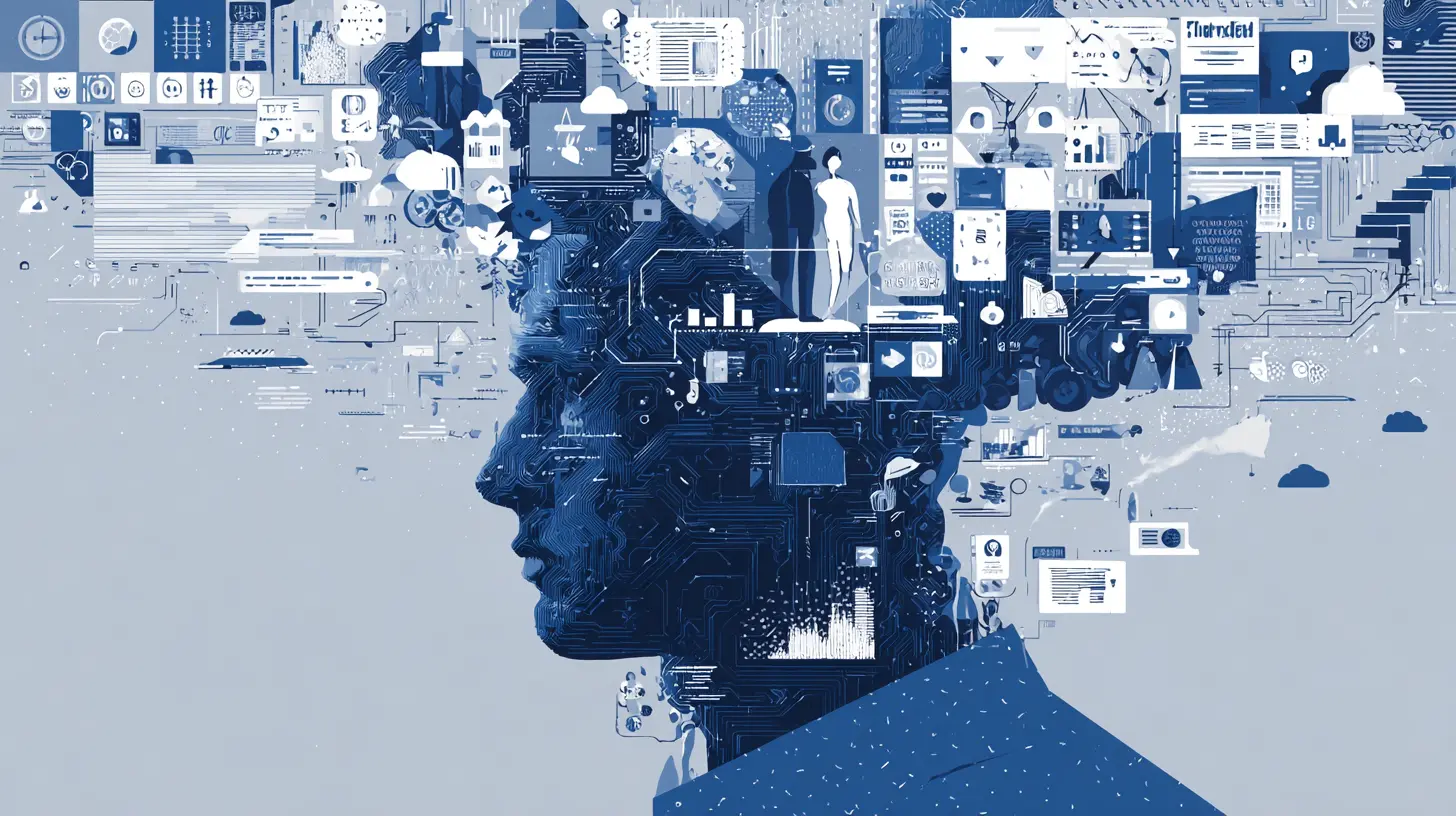
Right now, almost every major social platform optimizes for one thing: engagement. Clicks, likes, shares, comments, time spent. The algorithm does not care if you feel good after scrolling for two hours. It cares that you keep scrolling. This has led to a well-documented problem: outrage drives engagement, so the algorithm feeds you outrage. It is not a conspiracy. It is just math.Deep learning changes this because it allows platforms to optimize for something much more complex than raw engagement. Instead of a simple reward signal like "did they click," a deep learning system can model long-term user satisfaction. It can learn that a user who spends thirty minutes on the platform but feels anxious afterward is likely to churn in the long run. It can predict that a user who has three high-quality interactions a day is more valuable than a user who has three hundred mindless swipes.
This is not theoretical. It is already happening in small ways. YouTube started shifting from watch time to satisfaction surveys. Instagram has been testing hiding like counts. But deep learning is what makes these shifts scalable. A neural network can take hundreds of signals, from mouse movement to pause duration to facial expression if you are on a device with a camera, and build a model of your emotional state. That is not sci-fi. That is just pattern recognition on a massive scale.
The trade-off here is obvious and uncomfortable. A platform that optimizes for your well-being is still a platform that is collecting an enormous amount of data about you. The difference is that the data is being used to keep you happy instead of keep you hooked. Whether that is a good deal depends on how much you trust the people running the platform. And historically, that trust has not been earned.
Content Moderation Becomes Contextual
Content moderation is the ugliest problem in social media. It is also the one where deep learning will have the most immediate and visible impact. Current moderation systems are mostly keyword filters and simple classifiers. They catch the obvious stuff, but they are terrible at nuance. A photo of a historical atrocity gets flagged as graphic content. A meme that uses coded language to promote hate speech slips through because it does not contain the exact banned words.Deep learning systems, specifically transformer models like the ones behind modern language AI, can understand context. They can tell the difference between a news article quoting a slur and a user using the same slur as an attack. They can analyze an image and understand that it is a painting, not a photograph. They can look at a video and understand that it is a documentary, not a snuff film.
But here is the catch. These models are not perfect. They make mistakes, and they make them in ways that are hard to predict. A model trained on one culture's norms will fail when applied to another. A system that is great at catching hate speech in English might be useless in a language with fewer training samples. And the cost of a false positive is often borne by the most marginalized users, who get silenced when their speech is misinterpreted.
The practical advice for platform builders is simple: do not rely on a single model. Use an ensemble of models, each trained on different data, and have a human review layer for edge cases. This is more expensive, but it is the only way to avoid the disaster of an AI moderator that bans half your user base because they use a regional dialect.
The Rise of Generative Feeds
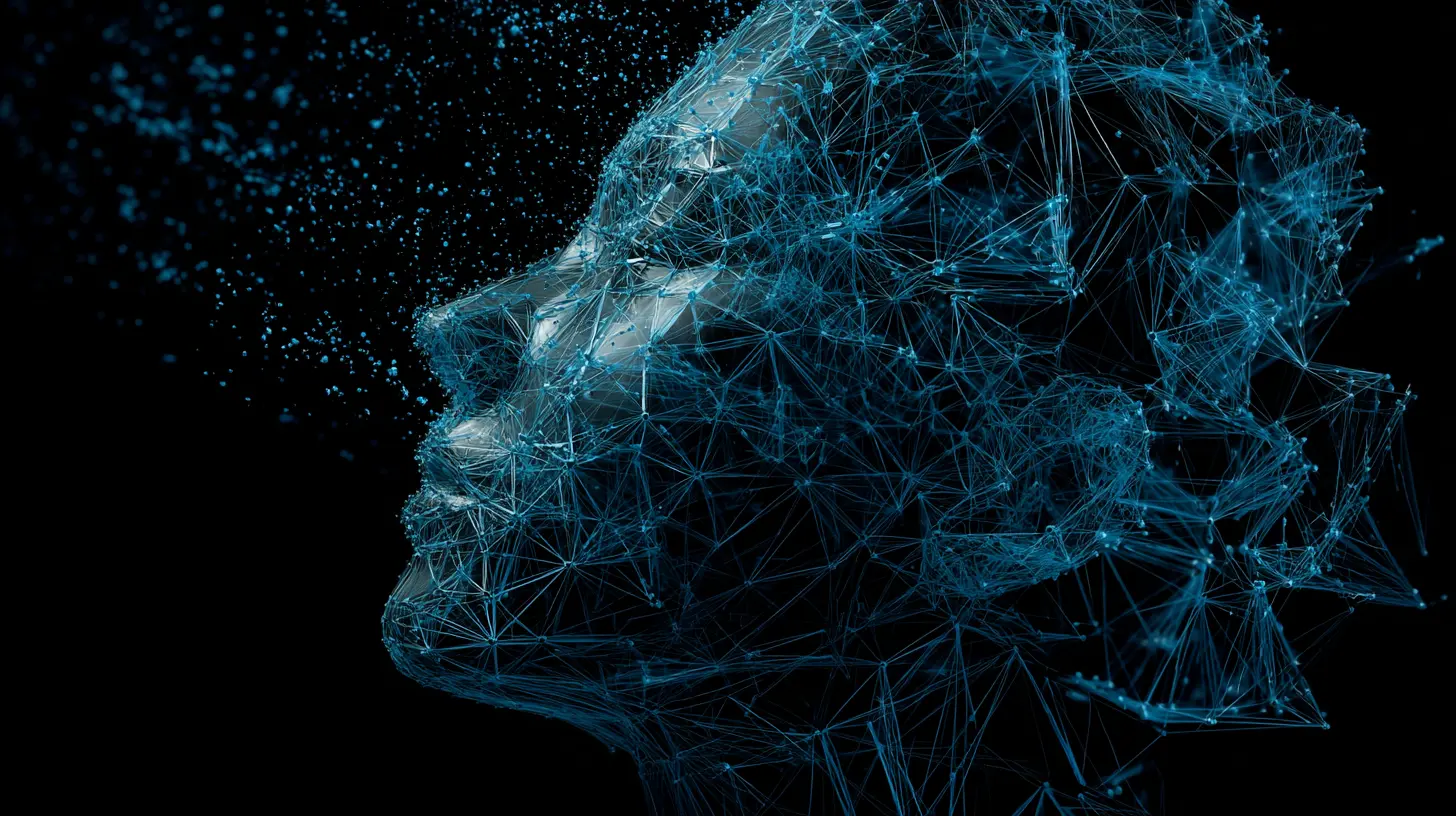
We are used to feeds that are assembled from existing content. Your feed is a selection of posts from people you follow, plus some recommendations. Deep learning is going to change that to something more radical: feeds that generate content on the fly, tailored specifically to you.Imagine a platform that does not just show you a video that exists. It creates a video for you. It knows that you like cooking, but you are a vegetarian, and you are short on time, and you have been trying to reduce your salt intake. So it generates a three-minute video of a chickpea curry recipe with a voiceover that matches your preferred pace and a visual style that you have historically responded to. This is not a curated selection. This is a bespoke creation.
This is already happening in a primitive form with AI-generated images and text on platforms like X and TikTok. But the next step is full generative video and interactive experiences. The implications are staggering. On one hand, this is the ultimate personalization. You will never be bored again. On the other hand, you will be living in a filter bubble so thick that you will not even be aware that other people see different realities.
The ethical question here is not whether generative feeds are good or bad. It is who controls the generation. If the platform controls it, they have absolute power over what you see, hear, and think. If the user controls it, you end up with a platform where everyone is in their own echo chamber, and there is no shared reality at all. Both options are scary. The best outcome is probably a middle ground where users can set parameters, but the platform provides the base model. That is a trade-off that neither side will be fully happy with, which is usually a sign that it is a reasonable compromise.
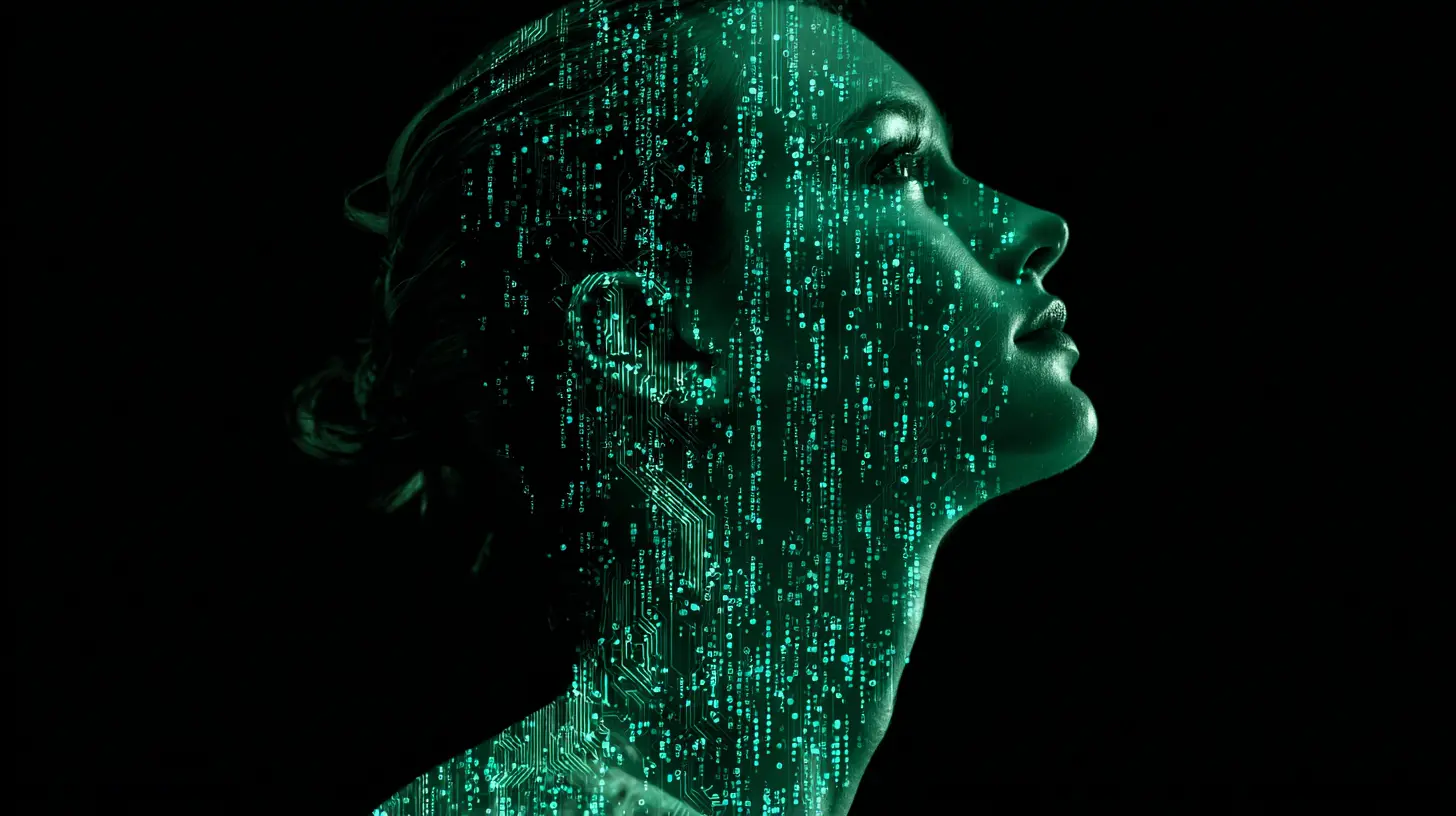
Deepfake Detection and the Crisis of Trust
You cannot talk about deep learning and social media without talking about deepfakes. The same technology that allows for generative feeds also allows for incredibly convincing fake videos of real people saying things they never said. This is not a hypothetical future problem. It is happening right now, and it is going to get worse before it gets better.The irony is that deep learning is also the best tool we have for detecting deepfakes. A generative adversarial network can be trained to spot the subtle artifacts that other neural networks leave behind. Blinking patterns, lighting inconsistencies, audio-visual sync issues. These are almost invisible to the human eye but are obvious to a well-trained model.
But here is the problem. Detection is always playing catch-up. As soon as a good detector is released, someone trains a better generator. It is an arms race, and the attackers always have the advantage because they only need to fool a detector once. The defenders have to be right every time.
What can platforms actually do? The most realistic approach is not to try to detect every deepfake, but to establish provenance. If a video is uploaded with a cryptographic signature that proves it came from a verified camera, that is a strong signal. If a video has no provenance, it should be labeled as unverified. This is not a perfect solution, but it is a practical one. The mistake that most platforms make is trying to solve the hard problem of detection instead of the easier problem of provenance. You cannot win the arms race. You can only make the battlefield more transparent.
The Attention Economy Becomes the Intent Economy
The current social media business model is based on attention. You have a certain number of hours in a day, and platforms compete to capture as many of those hours as possible. Deep learning will shift this to what you might call the intent economy. Instead of maximizing time spent, platforms will maximize the probability that you will take a desired action. That action might be buying a product, signing up for a newsletter, or simply having a positive emotional experience that makes you come back tomorrow.This is a subtle but profound change. When a platform optimizes for intent, it stops trying to keep you on the app and starts trying to get you to do something. That could mean a short video that makes you laugh and then you close the app. That is fine, as long as you come back later. The metric is not time spent. The metric is whether you achieved what you came for.
This is better for users in many ways. It means less mindless scrolling. It means content that respects your time. But it also means that platforms will get even better at persuading you. A deep learning model that knows your intentions is a model that can craft the perfect call to action. It is not just showing you an ad. It is showing you an ad that was generated specifically for you, based on your deepest unstated desires.
The practical advice for users is to be aware that this is happening. When a platform asks you why you are there, or what you want to see, do not just click through. Your answer is training data. And the more specific your answer, the more the platform can tailor itself to you. That is a double-edged sword. It gives you better content, but it also gives the platform more leverage over your decisions.
The Social Graph Becomes a Neural Graph
Your social graph today is a list of connections. You follow someone, or they follow you. It is binary. Deep learning will transform this into a neural graph, where every relationship has a weight and a context. You might have a strong connection to one person for career advice, a weak connection to another for memes, and no connection to a third even though you are technically friends.This changes how recommendations work. Instead of recommending content from people you follow, the platform will recommend content from people who occupy a similar position in the neural graph. It is not just "people like you." It is "people who have the same relationship patterns as you." This is much more powerful, because it captures the structure of your social life, not just your interests.
The downside is that this makes the platform even stickier. If the platform understands your social graph better than you do, it can predict who you want to talk to before you know you want to talk to them. That can be delightful. It can also be creepy. The line between helpful and invasive is thin, and deep learning is going to push us right up against it.
The best practice for platforms is to give users visibility into their neural graph. Let them see why a recommendation was made. If you can show a user that they are being recommended a person because they share three specific interaction patterns, that feels like magic. If you just say "because you might know them," that feels like surveillance. Transparency is not just an ethical choice. It is a practical one, because users who feel spied on will eventually leave.
The Voice and Vision Interface
Typing is on its way out. Deep learning has made speech recognition and computer vision good enough that the primary interface for social media will soon be your voice and your camera. You will not type a status update. You will speak it, and the platform will transcribe, translate, and even rephrase it into something more engaging. You will not search for a product. You will point your camera at something, and the platform will identify it and show you where to buy it.This is already happening in apps like Snapchat and TikTok, where the camera is the primary input. But deep learning will make this much more sophisticated. The platform will not just see a dog. It will see a specific breed, in a specific setting, with a specific emotional context, and it will generate an appropriate response. It will not just hear your words. It will hear your tone, your hesitation, your sarcasm. It will understand that when you say "great, another meeting," you do not actually think it is great.
The risk here is that this removes a layer of conscious thought from communication. When you type, you have time to reflect. When you speak, you are more impulsive. And when the platform is rephrasing your spoken words, there is a risk that it changes your meaning. The platform might make you sound more polite, or more assertive, or more marketable, but it is not you. It is an optimized version of you. And over time, you might start to lose touch with your own authentic voice.
The Filter Bubble Gets Thicker
We have been talking about filter bubbles for a decade, but deep learning is going to make them almost impenetrable. A simple filter bubble shows you content that matches your stated preferences. A deep learning filter bubble shows you content that matches your subconscious preferences, which you might not even be aware of. It learns from your micro-behaviors, your pause durations, your eye movements, your heart rate if you are wearing a smartwatch. It knows what you want before you want it.This is not inherently evil. It can be a great user experience. You never see content that annoys you. You never have to scroll past something that makes you uncomfortable. But that is exactly the problem. Discomfort is how we learn. Running into an opinion that challenges you is how you grow. If the platform eliminates all friction, you end up in a state of intellectual stasis.
The countermeasure is not to disable personalization. That would be throwing the baby out with the bathwater. The countermeasure is to intentionally introduce serendipity. The platform should occasionally show you something that is outside your predicted preferences, and it should explain why. "We thought you might find this interesting because it challenges a view you hold." That is a feature, not a bug. Platforms that do this will earn trust. Platforms that do not will be seen as manipulative, and eventually, regulators will come for them.
The Economics of Deep Learning Social Media
Running deep learning models is expensive. Training a large transformer model costs millions of dollars in compute. Running inference on every post, for every user, in real time, is even more expensive. This creates a fundamental economic problem for social media platforms. The current ad-based model might not be enough to cover the costs.This is why you are seeing a shift toward subscription models and microtransactions. A platform that offers a free tier with basic algorithmic recommendations and a paid tier with deep learning personalization is a realistic future. The free tier is good enough to keep you hooked. The paid tier is so good that you cannot go back.
But this creates a two-tiered social media system. Rich people get the good experience, and poor people get the manipulative engagement-maximizing experience. That is a dystopian outcome. The alternative is that platforms use deep learning to make advertising more effective, so that advertisers pay more, and the platform can keep the service free. But that means the platform is even more dependent on advertisers, which compromises its independence.
There is no easy answer here. The best outcome is probably a mix of revenue models, where the platform is transparent about what it is doing and why. If you know that you are seeing ads because that is what funds the service, and the ads are actually relevant to you, that is a fair trade. If you are seeing ads because the platform is selling your data to the highest bidder, that is not fair. The difference is transparency and consent.
What This Means for You
If you are a regular user, the future of social media is going to be more personalized, more immersive, and more persuasive. You need to be aware that the platform is not neutral. It is a tool that is being optimized to achieve a goal, and that goal might not be your goal. The best defense is to be deliberate about your usage. Set clear intentions before you open the app. Ask yourself what you are trying to achieve. If you cannot answer, close the app.If you are a content creator, you need to start thinking about how to feed the machine. The old days of posting once a day and hoping for the best are over. Deep learning systems reward consistency, specificity, and engagement. You need to create content that is designed to be understood by a neural network. That means clear topics, consistent formats, and a strong emotional hook. You are not just writing for humans anymore. You are writing for a model that decides whether humans will ever see your work.
If you are a platform builder, you need to think about trust. The technology is not the hard part. The hard part is convincing users that you are using it for their benefit, not against them. That means being transparent about how the algorithm works, giving users control over their own data, and being willing to sacrifice short-term engagement for long-term trust. The platforms that do this will survive. The ones that do not will be replaced by something better.
The Bottom Line
Deep learning is not going to destroy social media. It is going to make it more powerful, more personal, and more problematic. The same technology that can generate a perfect video for you can also generate a perfect lie to manipulate you. The same model that can understand your intent can also exploit it. There is no turning back. The only question is whether we are smart enough to use this power wisely.The platforms that win will be the ones that treat deep learning as a tool for human flourishing, not just for shareholder value. They will optimize for long-term satisfaction, not short-term engagement. They will be transparent about their algorithms and give users real control. They will use deep learning to connect people, not to isolate them. That is a tall order, but it is not impossible. It just requires a change in mindset, from seeing users as resources to be extracted, to seeing them as partners to be served.
And that is the real challenge of the next decade. Not building the technology. That is already happening. But deciding what we want the technology to do for us. Because if we do not decide, the technology will decide for us. And it will not care about our well-being. It will only care about the numbers.
all images in this post were generated using AI tools
Category:
Deep LearningAuthor:

Adeline Taylor
Discussion
rate this article
1 comments
Gianna McGonagle
Deep learning is set to revolutionize social media, transforming how we connect and share. Imagine personalized content that resonates deeply, fostering genuine interactions. As algorithms evolve, we will witness a new era of engagement, creativity, and community. Embrace the future-it's just beginning!
August 18, 2026 at 2:39 AM
Adeline Taylor
Thanks for your thoughts! You're right-personalization will definitely change the way we connect. Exciting times ahead!