How Digital Assistants Can Help You Achieve Your Fitness Goals
13 January 2026
Staying fit isn't always easy. Whether it's a lack of motivation, a busy schedule, or just not knowing where to start, many people struggle to maintain their fitness goals. But what if you had a personal trainer, nutritionist, and motivator all in one, available 24/7? That’s exactly what digital assistants can offer!
From tracking workouts to creating personalized meal plans, digital assistants have revolutionized how we approach health and fitness. But how effective are they really? And can they truly replace real-life trainers and experts? Let’s break it down.

The Rise of Digital Assistants in Fitness
The fitness industry has experienced a massive shift in recent years, with technology playing a significant role. Smartwatches, fitness apps, and now digital assistants have taken center stage, helping individuals stay accountable and motivated.Digital assistants such as Google Assistant, Siri, Alexa, and AI-driven fitness apps like MyFitnessPal and Fitbit Coach are designed to provide real-time guidance, reminders, and insights to enhance your workouts and overall health.
But how exactly do they help? Let’s dive into the key ways digital assistants can transform your fitness journey. 
1. Personalized Workout Plans At Your Fingertips
One of the biggest challenges in fitness is figuring out what exercises to do. A digital assistant can take the guesswork out of your routine by:- Suggesting custom workout routines based on your fitness level and goals.
- Modifying exercises according to available equipment (home workouts vs. gym workouts).
- Providing step-by-step guides and video demonstrations.
For example, if you ask Google Assistant or Siri for a home workout, they can suggest a 30-minute bodyweight exercise plan. Some smart assistants even sync with fitness apps to track progress and adjust future workout suggestions accordingly.
💡 Pro Tip: If you have a smartwatch, pair it with your digital assistant to get real-time heart rate monitoring and calorie burn estimations. 
2. Keeping You Accountable with Reminders
Staying consistent is one of the hardest parts of any fitness journey. A lack of accountability often derails even the best-laid plans. Thankfully, digital assistants can be your personal fitness reminders.- Set daily workout reminders so you never "accidentally" skip leg day.
- Schedule hydration alerts to ensure you're drinking enough water.
- Get notifications for standing up and stretching if you’ve been sitting too long.
Imagine telling Alexa, “Remind me at 6 AM every day to go for a run.” Now, instead of relying on willpower alone, your fitness routine becomes an unmissable appointment on your schedule.
📅 Pro Tip: Use voice commands to adjust reminders instantly if your plans change! 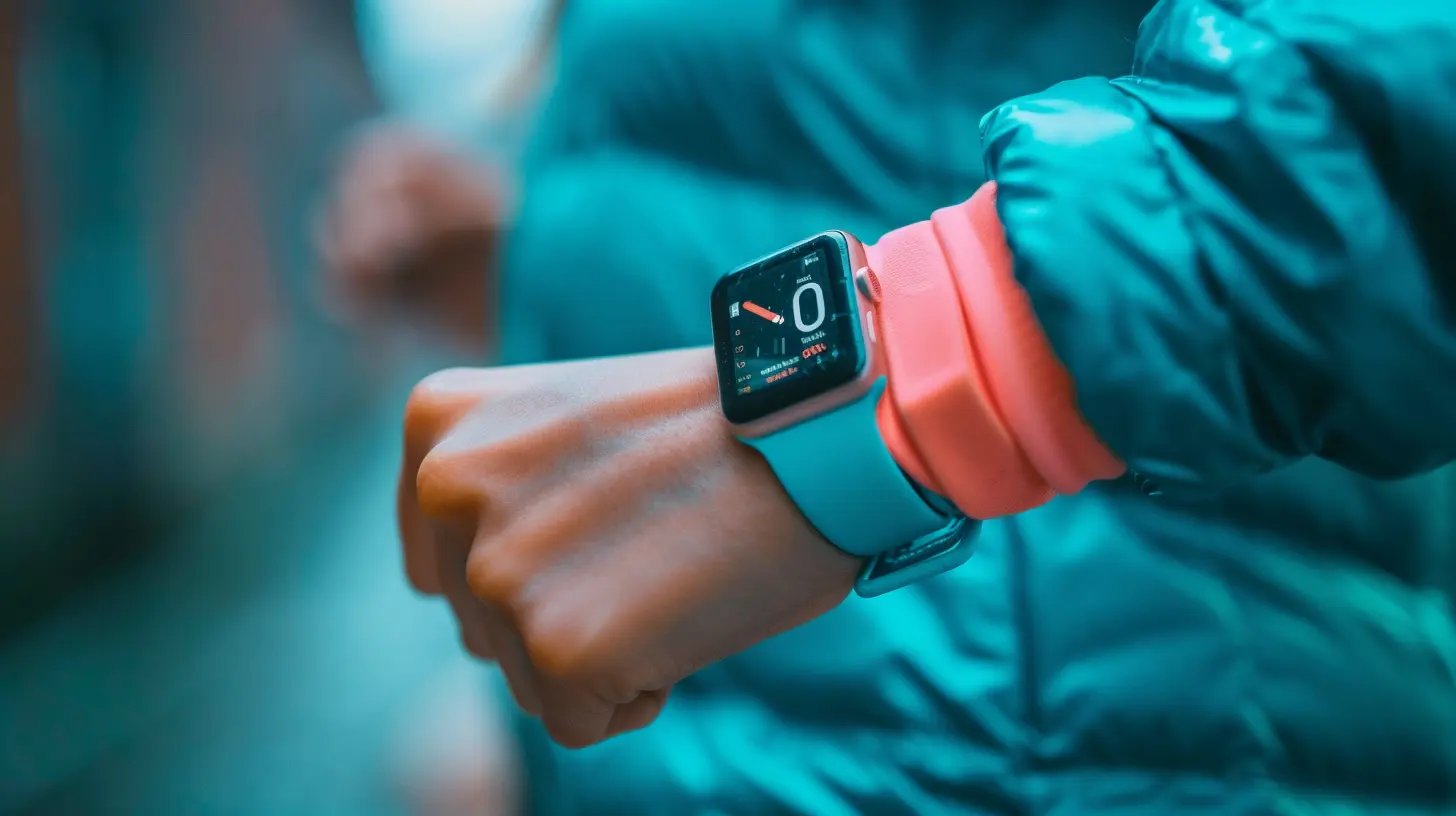
3. Real-Time Fitness Tracking & Insights
Understanding your progress is crucial when working towards a fitness goal. Digital assistants, when paired with wearables like Fitbit, Apple Watch, or Garmin, can track:- Steps taken
- Calories burned
- Heart rate & cardio activity
- Sleep patterns and recovery status
Instead of manually logging your stats, these smart assistants sync data seamlessly and provide insights on how to improve.
For instance, Google Fit or Apple Health can summarize your daily activity and suggest ways to hit your daily movement goal. Over time, this data can help identify patterns and optimize workouts for better results.
4. Hands-Free Access to Motivational Support
There are days when motivation is at an all-time low. That’s when digital assistants can step in as your personal cheerleader.- Get motivational quotes sent to your phone or smart speaker every morning.
- Listen to guided meditation or breathing exercises to ease stress and improve focus.
- Ask for energizing music playlists to pump up your workouts.
💪 Need a Quick Boost? Ask Alexa, “Give me a motivational fitness quote,” and get inspired instantly!
5. Smart Meal Planning & Nutrition Guidance
Fitness isn’t just about working out—nutrition plays a massive role too. If you're unsure about what or how much to eat, digital assistants can help with:- Meal planning: Creating weekly healthy meal suggestions.
- Calorie tracking: Logging food intake via apps like MyFitnessPal.
- Nutritional insights: Knowing what macros (carbs, protein, fat) you're consuming.
For example, saying “Hey Siri, how much protein is in a chicken breast?” can quickly provide you with nutritional information, ensuring you’re fueling your body properly.
🍎 Pro Tip: Many smart assistants have recipe integrations—just say, “Alexa, suggest a high-protein dinner recipe.”
6. Virtual Personal Trainers
One of the coolest advancements in digital fitness is the rise of AI-powered virtual trainers. These digital coaches analyze your form, provide real-time corrections, and even personalize workouts based on your preferences.Apps like Freeletics, Fitbod, and Future use AI-driven coaching, making it feel like you have a personal trainer at home—without the hefty price tag.
While they may not completely replace human trainers, they are an excellent option for those looking for structured guidance without the commitment of a gym membership.
7. Sleep Optimization for Better Recovery
Did you know that poor sleep can sabotage your fitness progress? Digital assistants can aid in optimizing sleep quality by:- Setting bedtime reminders to promote a consistent sleep schedule.
- Providing white noise or guided meditation to enhance sleep quality.
- Analyzing sleep patterns when synced with wearables.
For instance, if you wake up feeling groggy, you can ask Google Assistant, “How well did I sleep last night?” and get a sleep summary based on your smartwatch data.
😴 Pro Tip: Try using a smart assistant to create a wind-down routine, like dimming lights and playing relaxing sounds before bed.
Are Digital Assistants Really Worth It for Fitness?
So, are digital assistants the ultimate solution for fitness success? Well, yes and no.✅ Pros:
✔️ Convenient and always available.
✔️ Affordable compared to hiring a personal trainer.
✔️ Customizable to fit personal fitness goals.
✔️ Syncs with other fitness gadgets for seamless tracking.
❌ Cons:
✖️ Lacks real-time human feedback (e.g., correcting improper form).
✖️ Can’t provide emotional support like a real coach or workout buddy.
✖️ Requires access to technology, which might not be for everyone.
Ultimately, digital assistants are incredible tools for staying on track, but they work best when combined with personal discipline and effort.
Final Thoughts
Technology has made achieving fitness goals more accessible than ever. Whether you’re a beginner looking for guidance or a fitness enthusiast wanting precise tracking, digital assistants offer powerful support.They may not replace the experience of a human trainer or a workout squad, but for those needing accountability, motivation, and structured plans, they can be a game-changer.
So, if you’ve been struggling to stay on track, why not let technology lend a hand? Your fitness journey just got smarter!
all images in this post were generated using AI tools
Category:
Digital AssistantsAuthor:

Adeline Taylor
Discussion
rate this article
2 comments
Oscar Mullen
Great article! Digital assistants can truly streamline fitness journeys by offering personalized workout plans, reminders, and tracking progress. Integrating these tools can enhance motivation and accountability, making it easier to stay on track. Keep up the good work!
January 30, 2026 at 6:02 AM
Adeline Taylor
Thank you for your feedback! I'm glad you found the article insightful. Digital assistants really do make a difference in our fitness journeys!
Ulysses Kelly
Boost motivation, track progress!
January 13, 2026 at 5:54 AM
Adeline Taylor
Absolutely! Digital assistants can provide reminders, set goals, and monitor your progress, making it easier to stay motivated and on track.