How Mini Projectors Are Becoming Mainstream by 2026
6 October 2026
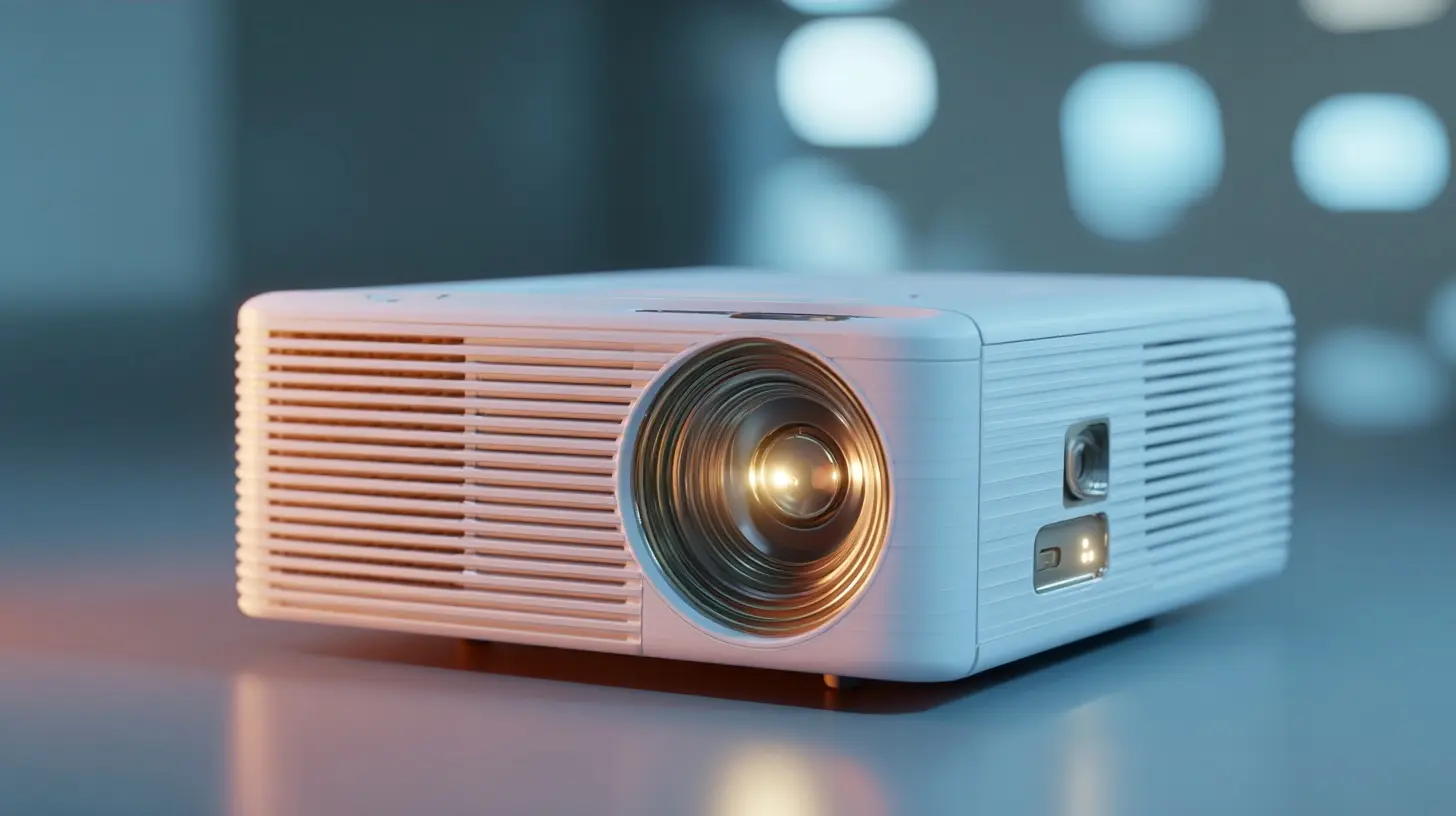
Something strange happened to projectors over the past decade. They stopped being the bulky box that lives in a conference room ceiling and started showing up on bedside tables, in backpacks, on camper van dashboards, and in kids' bedrooms. The mini projector, once a novelty with dim output and blurry optics, has quietly turned into a legitimate display category. By 2026, it looks set to stop being a niche gadget and start being a normal thing people buy the way they buy a soundbar or a streaming stick.
That shift is not the result of one breakthrough. It is the result of several technologies maturing at the same time, costs falling, and, crucially, a change in what people expect from a screen. Let me walk through what is actually happening, why it matters, and where the whole category still falls short.
What "Mini Projector" Actually Means Now
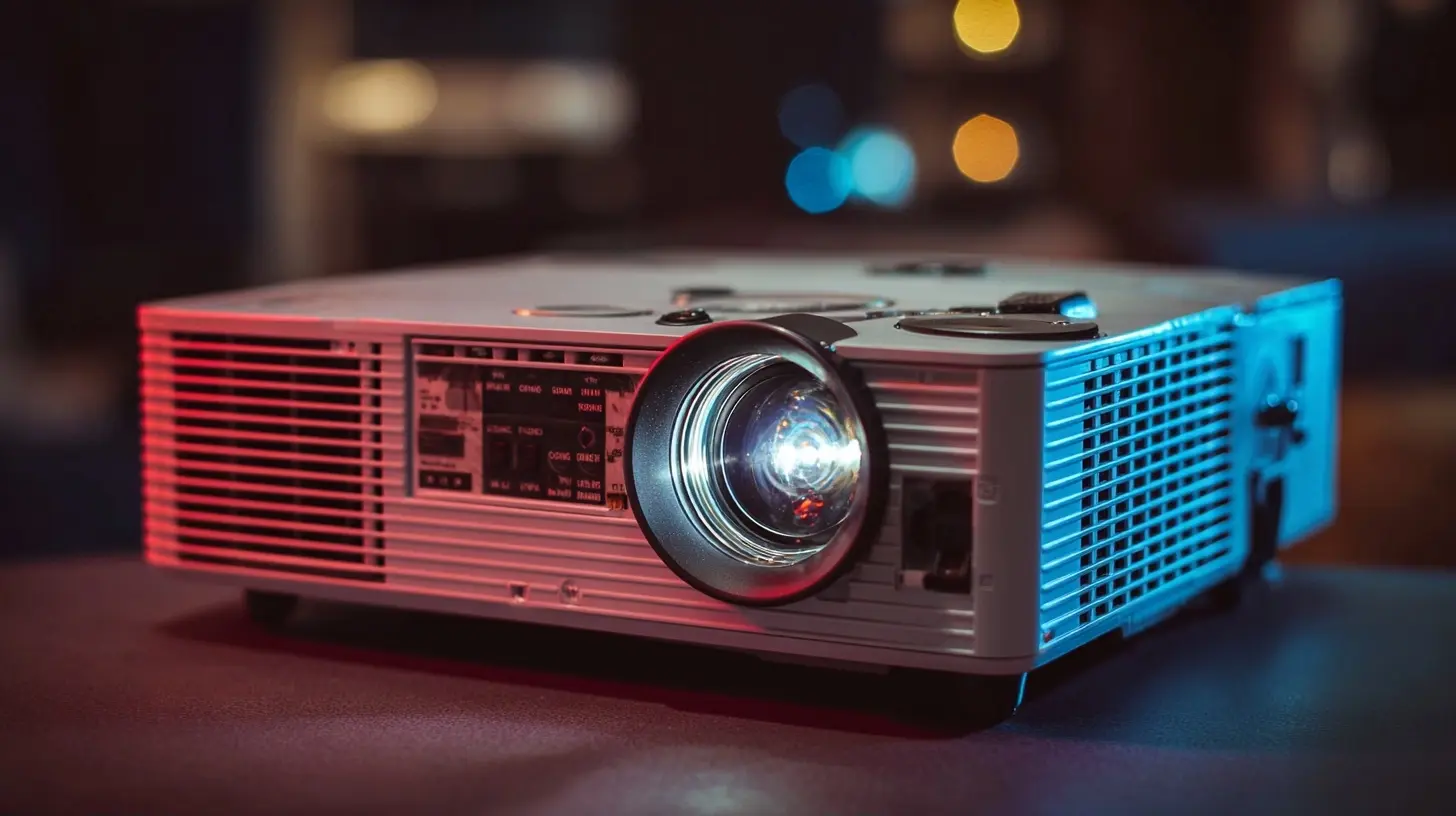
The term has become slippery. Five years ago, a mini projector was usually a palm-sized device with a few hundred lumens, a plastic lens, and a fan that sounded like a hair dryer. Today the label covers a much wider spread:- Pico projectors that fit in a pocket and run on battery, often around the size of a thick phone.
- Portable projectors roughly the size of a hardcover book, with built-in streaming apps and a rechargeable battery.
- Compact home projectors that are small enough to move between rooms but plug into a wall and prioritize image quality over portability.
These three groups behave very differently. A pico projector is a companion device. A portable projector is a television replacement for a specific room. A compact home projector is a serious display that happens to be small. Confusing them is one of the most common mistakes buyers make, and it leads to disappointment when a device that was designed for casual use gets judged against a home theater standard.
The Three Technologies That Changed the Math
LED and laser light sources replaced the bulb
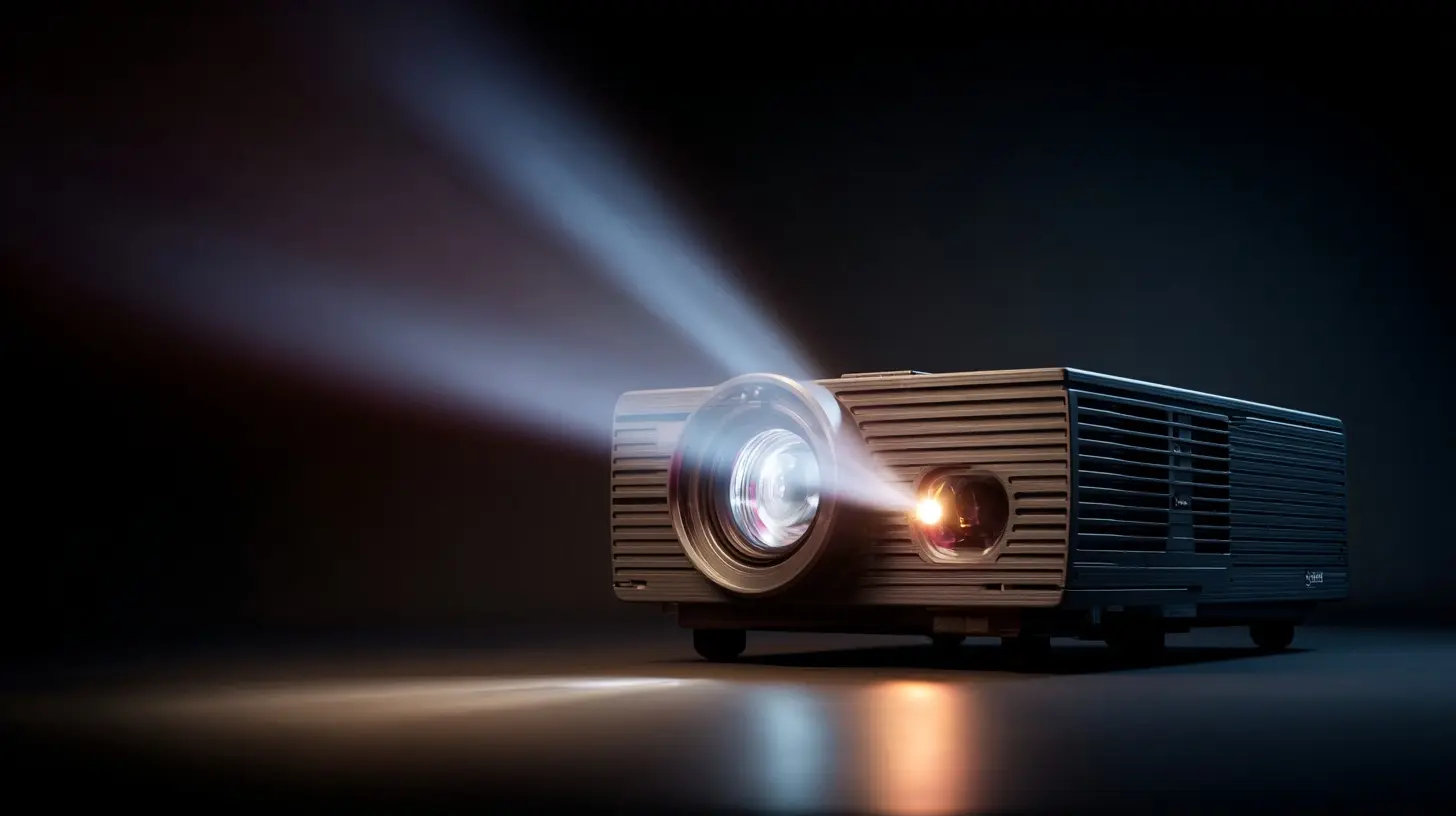
The old projector lamp was a consumable. It dimmed over time, ran hot, and needed replacing every couple of years. LED and laser light sources changed that equation. They last far longer, run cooler, and turn on instantly without a warm-up period. For a small device, this matters enormously because heat and power draw are the two biggest constraints on size.The practical consequence is that a mini projector can now be sealed, fanless or near-fanless, and rated for years of use without maintenance. That removes a whole category of ownership anxiety that used to keep casual buyers away.
Native resolution finally caught up
For a long time, cheap mini projectors claimed "1080p support" while actually displaying a much lower native resolution and downscaling the input. That trick is still common in the budget tier, but genuine 1080p native panels are now affordable, and 4K native is appearing in premium compact models. This matters because native resolution, not supported resolution, determines how sharp the image actually looks. A projector that accepts a 4K signal but displays at 720p will look soft no matter what you feed it.Autofocus, keystone, and obstacle avoidance became automatic
This is the underrated one. Setting up a projector used to require a tripod, patience, and a willingness to nudge the device until the trapezoid straightened out. Modern mini projectors use cameras and time-of-flight sensors to autofocus, correct keystone distortion, and even avoid objects on the wall. Some will detect a wall socket or a picture frame and route the image around it.Why does this matter so much? Because it removes the single biggest friction point in projector ownership. A device that sets itself up in three seconds can live on a coffee table and get used spontaneously. A device that needs five minutes of adjustment will sit in a closet.
Why 2026 Is the Inflection Point
Three forces are converging.First, the supply chain matured. The same chips, sensors, and light engines used in smart TVs and phones are now cheap enough to embed in a projector. When a component is manufactured at phone scale, it stops being expensive.
Second, content habits changed. People watch short-form video, stream from phones, and play casual games. A lot of that content does not need a 65-inch television. It needs a wall and a device that turns on fast.
Third, the living room stopped being the only place people watch things. Bedrooms, dorms, kitchens, backyards, and rented apartments where you cannot mount a TV all create demand for a screen that appears when you want it and disappears when you do not.
Put those together and you get a category that solves a real problem for a lot of people, not just enthusiasts.
The Honest Trade-Offs Nobody Mentions in Reviews
Mini projectors are not strictly better than televisions. They are different, and the differences cut both ways.Brightness is still the hard limit
A projector's image is only as good as the light it can throw and the darkness of the room. A television emits light directly; a projector bounces it off a wall and loses a huge amount in the process. Ambient light, especially daylight, washes out the image. This is physics, not a manufacturing flaw.The workaround is either a darker room or a brighter projector. Brighter projectors cost more, run hotter, and are usually bigger. There is no free lunch here. If your main viewing happens in a sunlit living room at noon, a projector is probably the wrong tool, and no amount of marketing changes that.
Contrast and black levels are the weak spot
Projectors struggle to produce true black because they are projecting light onto a surface. Even the best ones produce dark gray where you want black. In a dark room this is acceptable. In a room with any light, it becomes obvious. This is why projector enthusiasts obsess over room treatment and screen material, and why casual buyers are often surprised that their new device looks flat compared to their old TV.Audio is an afterthought
Tiny devices cannot move much air, so built-in speakers are usually thin. Some portable projectors sound surprisingly decent thanks to clever driver placement, but none of them will match even a budget soundbar. If audio matters, budget for external speakers or headphones. Bluetooth audio output is now standard, which helps.The wall itself matters more than you think
A projector does not care that your wall is beige with a slight texture and a light switch in the middle of the frame. It will project onto all of it. A dedicated screen, or at least a smooth white matte surface, makes a visible difference in sharpness and color. This is a hidden cost that many first-time buyers miss.Real-World Scenarios Where Mini Projectors Win
Abstract specs are less useful than concrete situations. Here is where these devices genuinely make sense.The renter's dilemma. You cannot drill into the wall or mount a big TV. A portable projector on a shelf gives you a large image with zero permanent installation.
The bedroom ceiling. Lying in bed watching something projected on the ceiling is a genuinely different experience, and it is one a television cannot replicate. Many mini projectors support ceiling projection mode.
The backyard movie night. A battery-powered projector, a white sheet, and a few friends. The image will not be cinema quality, but the experience is the point.
The dorm room or small apartment. Space is tight. A projector replaces a bulky TV and stores in a drawer.
The camper van or boat. Low power draw, small footprint, and no need for a permanent mount.
The presentation and teaching case. A pocket projector that connects to a laptop turns any blank wall into a slide deck. This is one of the oldest use cases and it remains one of the strongest.
Notice the pattern: the projector wins when portability, flexibility, or space savings matter more than raw image quality.
What to Actually Look For Before Buying
If you are considering one, here is the decision framework I would use.Start with the room, not the device
Measure the throw distance available and estimate the screen size you want. Most mini projectors need a specific distance range to hit a given size. A short-throw model can produce a large image from close up, which is useful in small rooms, but short-throw optics are more expensive.Check native resolution, not supported resolution
Ignore "supports 4K" claims unless the panel is native 4K. Look for the words "native" followed by a resolution. If a listing is vague about this, that is a signal.Understand brightness ratings
Lumen ratings are inconsistent across brands and often measured under ideal conditions. ANSI lumens are the more comparable standard, and even those should be treated as a rough guide. As a rule of thumb, a darker room needs less brightness, and a room with any light needs considerably more. Be skeptical of very high numbers on very small devices.Confirm the light source
LED and laser are both long-lived. Laser tends to be brighter and more color-accurate; LED tends to be cheaper and cooler. Both are fine for most people. A traditional lamp in a mini projector in 2026 would be a red flag.Test the setup features
Autofocus and auto keystone are worth paying for. Manual focus on a tiny device is fiddly, and manual keystone correction is a chore you will stop doing after the first week.Think about connectivity
HDMI is still the most reliable input. USB-C is increasingly common and convenient for laptops and phones. Built-in streaming apps are nice but often slower and less updated than a cheap streaming stick plugged into the HDMI port. Do not pay a premium for smart features you can replicate with a 30 dollar dongle.Plan for audio
Decide now whether you will use the built-in speaker, a Bluetooth speaker, or wired headphones. This affects which models make sense.Common Mistakes and Misconceptions
"More lumens always means a better picture." Not true. Color accuracy, contrast, and resolution matter just as much. A bright but washed-out image is worse than a slightly dimmer, well-tuned one."I can use it in daylight." You can, but the image will look faded unless you have a very bright unit and a proper screen. Manage expectations.
"It replaces my TV entirely." For some people, yes. For most, it complements a TV. Think of it as a second screen, not a replacement, unless your viewing is mostly in dark rooms.
"Any white wall works." A smooth, matte, off-white wall works reasonably well. A textured or glossy wall does not. Glossy surfaces create hot spots and uneven brightness.
"I can skip the screen." You can, but a screen or a dedicated projection surface noticeably improves contrast and color. It is often the cheapest upgrade available.
"Portable means it runs for hours." Battery life varies wildly. Some units last a full movie, many do not. Check the rated runtime at a realistic brightness setting, not the lowest one.
Where the Category Is Heading
The trajectory is clear even if the exact numbers are not. Expect brighter compact units, better onboard processing, more accurate color, and tighter integration with phones and streaming ecosystems. Expect the line between "smart speaker with a projector" and "projector with a speaker" to blur. Expect prices to keep sliding downward as the components become commodity parts.The more interesting question is cultural. As screens become something you summon rather than something you mount, the way people think about displays changes. A television is furniture. A projector is a tool. That distinction sounds small, but it reshapes how and where people watch things.
A Practical Buying Checklist
Before you commit, run through this:- Measure your throw distance and desired screen size.
- Confirm native resolution and light source type.
- Check ANSI lumens and be realistic about your room's ambient light.
- Verify autofocus and auto keystone are present.
- Decide on audio: built-in, Bluetooth, or wired.
- Confirm the inputs you need, especially HDMI and USB-C.
- Check battery runtime if portability matters.
- Budget for a screen or a suitable wall surface.
- Read reviews that test the device in a real room, not a lab.
The Bottom Line
Mini projectors are becoming mainstream because they finally do a job that televisions cannot: they turn any wall into a screen, they move when you do, and they set themselves up without fuss. They are not better than televisions across the board, and anyone who tells you otherwise is selling something. But for renters, small-space dwellers, travelers, and anyone who wants a big image without a big commitment, they have crossed the line from toy to tool.By 2026, the question will not be whether a mini projector can work in your life. It will be which one fits the room you actually have.
all images in this post were generated using AI tools
Category:
Technology ReviewsAuthor:

Adeline Taylor
Discussion
rate this article
2 comments
Vesperos Klein
This article highlights an exciting trend. Mini projectors offer convenience and versatility that fit modern lifestyles. It's great to see how they're evolving and becoming accessible for everyone. Looking forward to what's next!
October 13, 2026 at 12:28 PM
Michelle Cooper
Mini projectors are revolutionizing the way we consume content, making high-quality viewing accessible anywhere. As they gain popularity, expect to see more innovation and versatility in design. By 2026, these compact devices will redefine entertainment, turning our homes into immersive theaters and giving us experiences we never dreamed possible.
October 7, 2026 at 11:53 AM