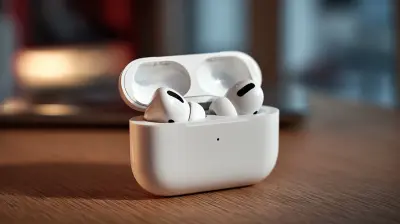
How Wearable Sensors are Shaping the Future of Medicine
19 June 2026
Technology is revolutionizing healthcare, and wearable sensors are at the forefront of this transformation. Gone are the days when you had to rely solely on doctor visits for health monitoring. With wearables, your health data is just a wristband away.
From detecting early signs of diseases to monitoring chronic conditions in real time, wearable sensors are making healthcare smarter, faster, and more efficient. But how exactly are they influencing the future of medicine? Let’s dive in.

What Are Wearable Sensors?
Wearable sensors are compact, body-mounted devices that continuously gather health-related data. They come in various forms—smartwatches, fitness bands, patches, and even smart clothing. These sensors track vital signs like heart rate, blood pressure, glucose levels, and oxygen saturation, offering real-time insights into the user's health.The idea isn’t new. We’ve seen pedometers and heart rate monitors before, but today’s wearables go way beyond step counts. Thanks to advancements in AI, IoT, and nanotechnology, these devices are becoming more precise and capable of detecting medical conditions before they escalate.

The Rise of Wearable Technology in Healthcare
Wearables are no longer just fancy accessories; they’re life-saving tools. The global wearable medical device market is projected to reach $168.2 billion by 2030. The reason? People want proactive healthcare.With chronic diseases on the rise, doctors and patients alike are turning to continuous monitoring. Instead of occasional check-ups, wearables provide 24/7 real-time health insights. This shift is paving the way for preventive healthcare, reducing hospital visits, and making treatments more personalized.
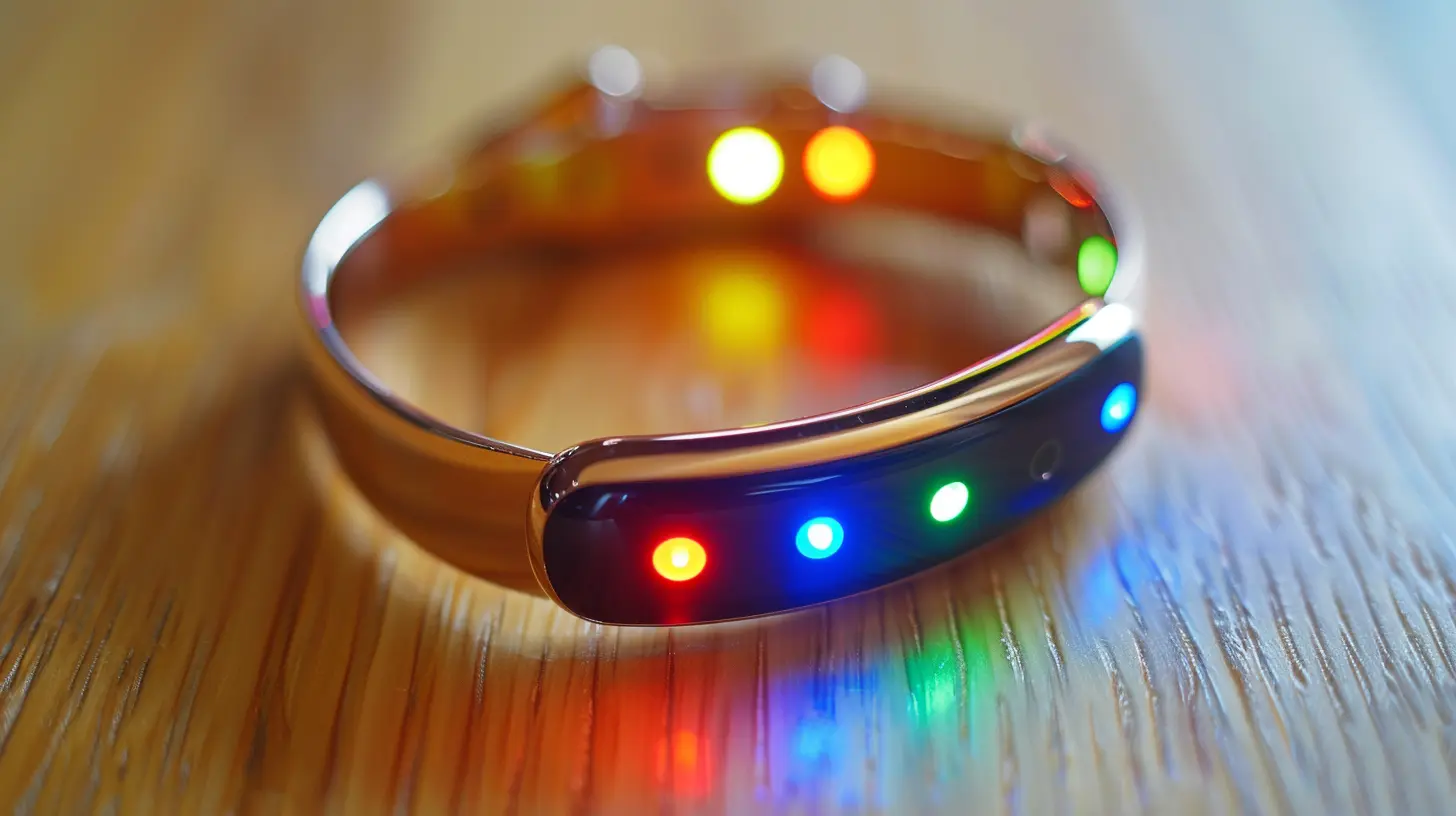
How Wearable Sensors Are Changing Medicine
1. Early Disease Detection
Imagine detecting diabetes, heart disease, or even Parkinson’s before symptoms appear. That’s exactly what wearables are making possible.Devices like the Apple Watch can detect irregular heartbeats or atrial fibrillation, which could indicate serious cardiac conditions. Similarly, smart rings and wristbands monitor blood oxygen levels, helping catch respiratory issues early on.
For people at risk of diabetes, some wearables measure glucose levels without finger pricks, which is a game changer for those who despise frequent blood tests.
2. Real-Time Health Monitoring for Chronic Diseases
Managing chronic diseases like hypertension, diabetes, and COPD can be exhausting. But wearable sensors simplify the process.For instance:
- Smart blood pressure monitors sync with mobile apps, allowing doctors to track trends over time.
- Continuous glucose monitors (CGMs) provide real-time blood sugar readings, reducing hypoglycemic episodes.
- ECG-enabled wearables can detect early signs of heart failure, helping patients seek medical attention before it’s too late.
This real-time monitoring ensures better disease management, prevents complications, and enhances the overall quality of life for patients.
3. Remote Patient Monitoring (RPM) and Telemedicine
Healthcare is shifting beyond hospital walls. With wearable sensors, doctors can monitor patients remotely without frequent hospital visits. This is particularly useful for:- Elderly patients who may find frequent hospital trips exhausting.
- Post-surgery monitoring, ensuring that recovery is on track.
- Patients in rural or remote areas where access to hospitals is limited.
By integrating wearables with telemedicine, doctors can access real-time data, adjust treatments accordingly, and even alert emergency services in case of anomalies.
4. Enhancing Fitness and Mental Health Tracking
It’s not just physical health—wearable sensors are stepping into mental health, too.- Stress and anxiety tracking: Smartwatches now measure stress levels using heart rate variability (HRV). Some even guide users through breathing exercises to calm anxiety.
- Sleep analysis: Poor sleep is linked to several health issues, including heart disease and obesity. Devices like the Oura Ring and Fitbit track sleep patterns, helping users make lifestyle adjustments.
- Wearable EEG headbands: Used for meditation and mental well-being, these track brain activity and improve focus.
By analyzing these metrics, users can build healthier lifestyles while doctors gain insights into behavioral health.
5. Wearables in Preventive Healthcare
Prevention is always better than cure, right? Wearable sensors play a crucial role in preventive healthcare, helping users take action before conditions worsen.For instance:
- Smart UV sensors warn users about excessive sun exposure, reducing skin cancer risks.
- Fall detection wearables help elderly individuals by triggering emergency alerts when they fall.
- Hydration tracking wearables ensure users stay adequately hydrated, preventing kidney issues.
With these tools, people can make informed decisions about their health before diseases develop.
6. AI and Big Data in Wearable Health Tech
Let’s talk about data—the heart of wearable sensors. These devices generate massive amounts of health data, which AI analyzes to predict health outcomes.Imagine AI spotting early signs of Alzheimer's based on how someone walks or detecting heart disease based on a simple ECG reading. That’s where we’re headed.
Hospitals and researchers are leveraging machine learning algorithms to identify patterns and predict conditions with impressive accuracy. Eventually, these AI-powered predictions could lead to early interventions, saving countless lives.
Challenges and Concerns with Wearables in Medicine
While wearable sensors are undeniably promising, they’re not without challenges.1. Data Privacy and Security Risks
With sensitive health data being transmitted and stored digitally, cybersecurity risks are a major concern. If not properly encrypted, patient data could fall into the wrong hands, leading to privacy breaches.2. Accuracy and Reliability Issues
Not all wearables are medically approved, meaning they may not always provide reliable readings. A smartwatch telling you that you have a heart issue doesn’t always mean it’s accurate—it could be a false alarm.3. Data Overload for Healthcare Providers
More health data doesn’t always mean better healthcare. Doctors already deal with massive patient information, and adding wearable-generated data could lead to information overload. The challenge is figuring out how to filter and prioritize data effectively.4. Affordability and Accessibility
Not everyone can afford high-end wearable health devices. While prices are dropping, accessibility remains a concern, especially in lower-income communities.The Future of Wearable Sensors in Medicine
So, what’s next?Wearable technology is still evolving, and the future looks exciting. Here’s what we can expect:
- Smarter AI integration for more accurate disease prediction.
- Non-invasive glucose monitoring, eliminating the need for finger pricks.
- Wearable drug delivery systems that adjust medication doses based on real-time monitoring.
- DNA-based wearables that predict disease risks based on genetics.
As technology improves, wearables will move beyond just tracking—they’ll become active healthcare assistants, directly helping in treatment and prevention.
Final Thoughts
Wearable sensors are redefining healthcare, making medicine more personalized, proactive, and predictive. From early disease detection to real-time monitoring, these devices are revolutionizing how we manage health.Of course, challenges like data privacy and accuracy need to be addressed, but with ongoing innovations, the potential is limitless. The day when smartwatches do more than just count steps—possibly even saving lives—is already here.
So, are you ready to embrace the future of healthcare on your wrist?
all images in this post were generated using AI tools
Category:
Tech InnovationsAuthor:

Adeline Taylor
Discussion
rate this article
2 comments
Kian McKeehan
This article offers valuable insights into the role of wearable sensors in medicine. It's exciting to see how technology can enhance patient care and outcomes. I look forward to following these advancements as they continue to develop.
September 9, 2026 at 2:52 AM
Adeline Taylor
Thank you for your thoughts! It's inspiring to see the potential of wearable sensors and how they can truly transform patient care. Exciting times ahead!
Miriam Kane
Wearable sensors are truly revolutionizing healthcare. They empower individuals to monitor their health in real-time, making prevention more achievable. The potential for personalized medicine is exciting, and I can't wait to see how these innovations will improve patient outcomes and transform the way we approach health management.
June 19, 2026 at 1:01 PM
Adeline Taylor
I completely agree. The shift toward real-time health monitoring is a game changer. It will definitely enhance our ability to personalize care and improve overall outcomes. Exciting times ahead!