Integrating Digital Assistants with Wearable Technology
16 December 2025
Imagine a world where your smartwatch not only tracks your steps but also schedules your meetings, plays your favorite songs, and even reminds you to drink water — all without needing to touch it. Sounds straight out of a sci-fi movie, right? Well, welcome to the not-so-distant present of integrating digital assistants with wearable technology.
This tech marriage is not just a flashy trend; it’s reshaping how we live, work, and interact with our digital world. Whether you’re a fitness enthusiast, a busy professional, or just someone who loves gadgets, this combo is something you’ll want to pay attention to.
Let’s dive deep into how digital assistants and wearable tech are teaming up to simplify our lives.
What Are Digital Assistants?
Before we get into the nitty-gritty of integration, let’s clarify what we mean by digital assistants. You’ve probably heard of Siri, Alexa, and Google Assistant — they're the A-listers of the virtual help world. These AI-powered tools can perform various tasks using just your voice or a few taps. From answering trivia questions to setting alarms and controlling smart home devices, they're your modern-day personal assistants.But guess what? They’re no longer confined to smart speakers and smartphones. Now they’re moving into your watches, fitness trackers, glasses, and even rings.
What Counts As Wearable Tech?
Wearables are gadgets you can wear on your body. Think smartwatches (like the Apple Watch), fitness bands (like Fitbit), smart glasses (like Ray-Ban Stories), and even smart rings (like Oura). These devices collect data, give you notifications, and now, thanks to integration with digital assistants, can actually respond to your voice commands.In essence, wearable tech helps bring computing closer — literally to your skin.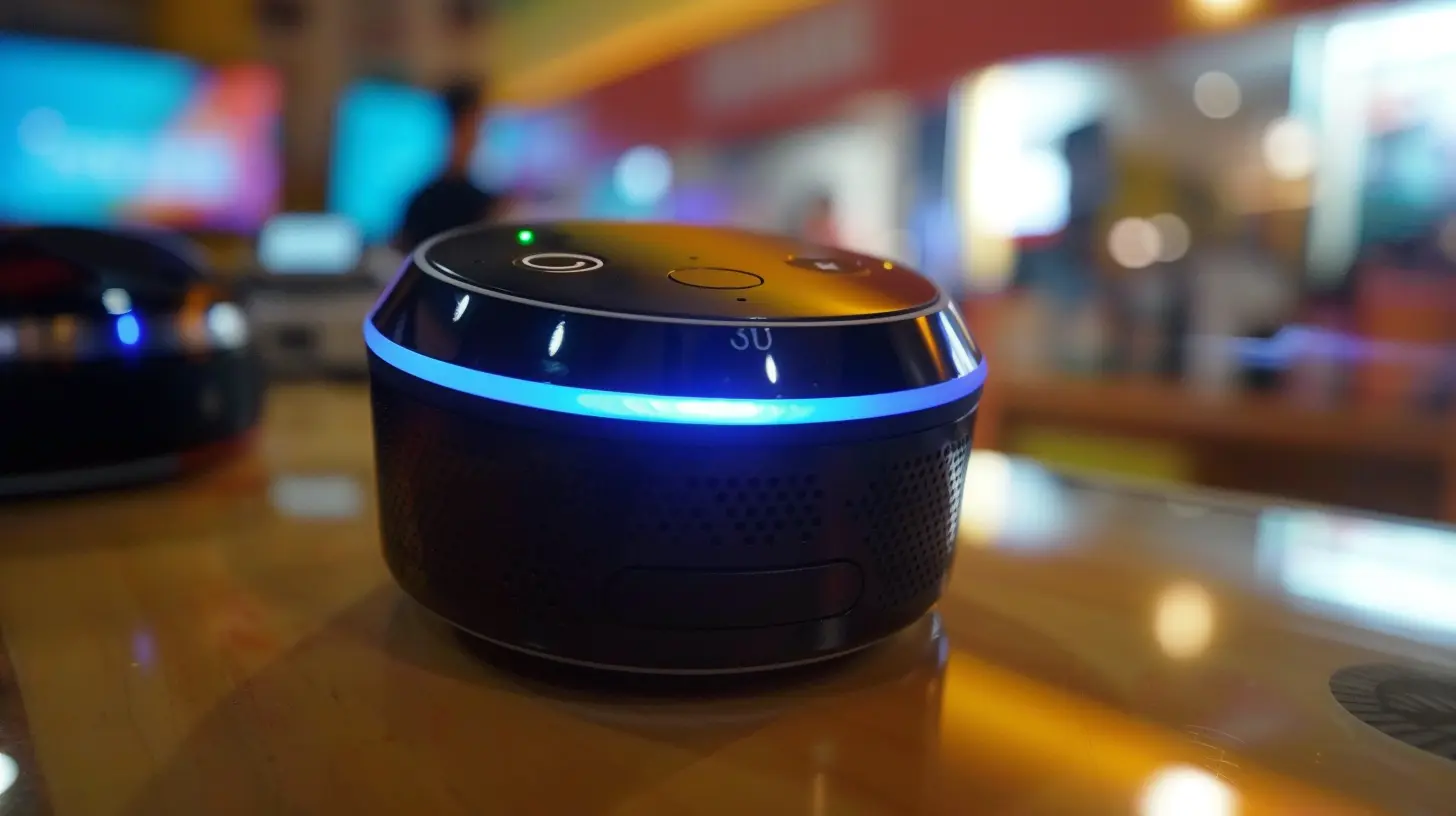
Why Integrate Digital Assistants with Wearable Tech?
You may be wondering — why even bother? My phone is always nearby. That’s a fair point. But here’s the thing: wearables are hands-free, instant-access tools that go where you go. When you combine those perks with the intelligence of a digital assistant, the result is seamless convenience.Let me break it down for you:
1. Hands-Free Convenience
Ever tried cooking dinner and needing to check a recipe or set a timer? With a digital assistant in your smartwatch, you can do it without touching a single button. Simply say, “Hey Siri, set a timer for 15 minutes,” and keep chopping onions.2. Real-Time Information
Wearables are all about data — your heart rate, sleep cycle, or daily steps. With a digital assistant onboard, you can ask, “How did I sleep last night?” and get an instant report. It’s like having your own health and wellness coach on your wrist.3. Enhanced User Experience
Thanks to AI, digital assistants are getting smarter. They remember your preferences, adapt to your habits, and can even suggest actions. Paired with wearable tech, this means timely reminders, personalized notifications, and an overall smoother user experience.
How Integration Works
So, how do these two tech powers actually work together? The magic lies in seamless connectivity and voice recognition.Voice Commands Meet Sensors
Wearable devices come loaded with sensors — GPS, accelerometers, heart rate monitors, and more. These sensors gather valuable data. When the digital assistant jumps into the mix, it turns this raw data into helpful insights — and all you have to do is ask.For instance, your smartwatch notices you’ve been sedentary for over an hour. Your digital assistant might chime in and say, “Time to stand up and stretch?” See what just happened there? Proactive assistance.
Cloud Connectivity
Most wearables with digital assistant support are connected to the cloud. This allows them to access real-time data and perform tasks without relying solely on your phone. So whether you’re checking the weather or asking for a local pizza recommendation, the cloud ensures you get updated info instantly.Real-Life Examples of Integration
Let’s take a peek at some real-world devices that are already rocking this combo:Apple Watch + Siri
The Apple Watch is possibly the best-known example. With Siri built-in, users can control music, send messages, navigate with maps, and even control their smart homes — all from their wrist.Fitbit + Google Assistant
After Google acquired Fitbit, it introduced the Google Assistant on selected Fitbit models. This integration lets users start workouts, get weather updates, or check their progress using voice commands.Amazon Echo Frames
Yes, smart glasses! Echo Frames come with Alexa built-in. You can make calls, set reminders, and even control your smart home — all without taking out your phone.Samsung Galaxy Watch + Bixby
Samsung’s Galaxy Watches feature Bixby, Samsung’s own digital assistant. You can dictate texts, check your schedule, and get updates — all through simple voice interactions.Benefits for Different Types of Users
The impact of digital assistants in wearables isn’t one-size-fits-all. Here’s how it helps different groups:For Fitness Buffs
You’re mid-run, breathless, and want to know your pace. Just ask your watch. No more stopping or fiddling with buttons.For Busy Bees
Running from one meeting to the next? A simple voice command can check your calendar, remind you of your next task, or even send a quick message.For Seniors
Wearables with digital assistants can act like lifelines. They can remind users to take medications, monitor heart rates, and even send emergency alerts.Challenges in the Mix
It’s not all sunshine and rainbows though. Integrating digital assistants into wearables does come with its share of challenges.Battery Life Struggles
Voice assistants need processing power and constant background activity. That can suck your battery dry faster than you’d like.Privacy Concerns
Always-listening assistants raise eyebrows. Who’s listening? Where’s your data going? These are valid concerns, and manufacturers need to prioritize transparency and data encryption.Limited Voice Recognition
Small devices mean smaller microphones. That can affect how well the assistant understands you, especially in noisy environments or for people with accents.The Future of Wearable + AI Integration
We’re just scratching the surface here. As tech evolves, we’ll likely see even tighter, smarter integration.Picture this: smart clothing embedded with digital assistants, or wearables that can detect mood swings and offer mental health support. The blend of emotion AI and wearable sensors is on the horizon.
We might also see wearables acting as identity verifiers — using voice recognition, biometrics, and AI to unlock devices, authorize payments, and even provide access to buildings.
And let’s not forget about augmented reality. Imagine combining a digital assistant with smart glasses that display real-time subtitles, directions, or work instructions — like having Google search living in your eyesight.
How to Choose the Right Wearable with a Digital Assistant
Thinking of hopping on the bandwagon? Here’s what to keep in mind when picking a wearable with an AI assistant:- Compatibility: Make sure it works with your phone or ecosystem (Apple, Google, Samsung, etc.)
- Battery Life: Look for devices that balance assistant features and battery longevity.
- Privacy Settings: Opt for wearables that let you control when and how the assistant listens.
- Voice Accuracy: Read reviews to see how well the device handles voice commands.
- Use Case Needs: Are you fitness-focused, productivity-driven, or wellness-oriented? Choose accordingly.
Tips to Boost Your Experience
Want to make the most out of your wearable-assistant duo? Here are a few pro tips:- Customize Commands: Set up routines or shortcuts (like “Good Morning” to get weather, calendar, and news).
- Use Earbuds: For better privacy and clarity, pair with wireless earbuds.
- Explore Apps: Many wearables support third-party apps that extend assistant functionality.
- Regular Updates: Keep your device firmware updated for the latest features and security.
Final Thoughts
Integrating digital assistants with wearable technology is one of those “why didn’t we think of this sooner?” innovations. It’s turning wearables from passive trackers into proactive, intelligent companions. Whether it’s telling you to get up and move, reminding you of your dentist appointment, or simply playing your favorite playlist during a workout — this tech duo is all about adding ease and value to everyday life.Sure, there are still some kinks to iron out, but we’re moving toward a future where you don’t just wear tech — you interact with it, talk to it, and maybe even rely on it a little. And honestly? That doesn't sound bad at all.
all images in this post were generated using AI tools
Category:
Digital AssistantsAuthor:

Adeline Taylor
Discussion
rate this article
2 comments
Solenne Lawrence
Finally, wearables can talk back—just what I needed: a smartwatch with attitude!
December 17, 2025 at 4:56 AM
Adeline Taylor
Glad you’re excited! The integration of digital assistants will definitely add a fun and interactive layer to wearables.
Joy Klein
Integrating digital assistants with wearables enhances user experience, streamlining tasks through seamless connectivity.
December 16, 2025 at 4:58 AM
Adeline Taylor
Thank you! We believe that the synergy between digital assistants and wearables can significantly elevate user convenience and efficiency.