Navigating the World of E-Waste and Sustainable Tech Use
22 October 2026
Every device you have ever owned is still somewhere. The flip phone from 2004. The laptop that died during a thesis deadline. The earbuds that stopped charging after eighteen months. Some sit in drawers, some in landfills, some in informal recycling yards where someone picks them apart by hand for a few grams of copper. This is the quiet afterlife of technology, and it is growing faster than almost any other waste stream on the planet.
E-waste is not a niche environmental problem. It is the physical shadow of the digital economy, and it touches supply chains, public health, data security, and the economics of repair. This article is about understanding that shadow clearly and acting on it with practical judgment, not guilt-driven gestures.
What E-Waste Actually Is (And Why the Definition Matters)
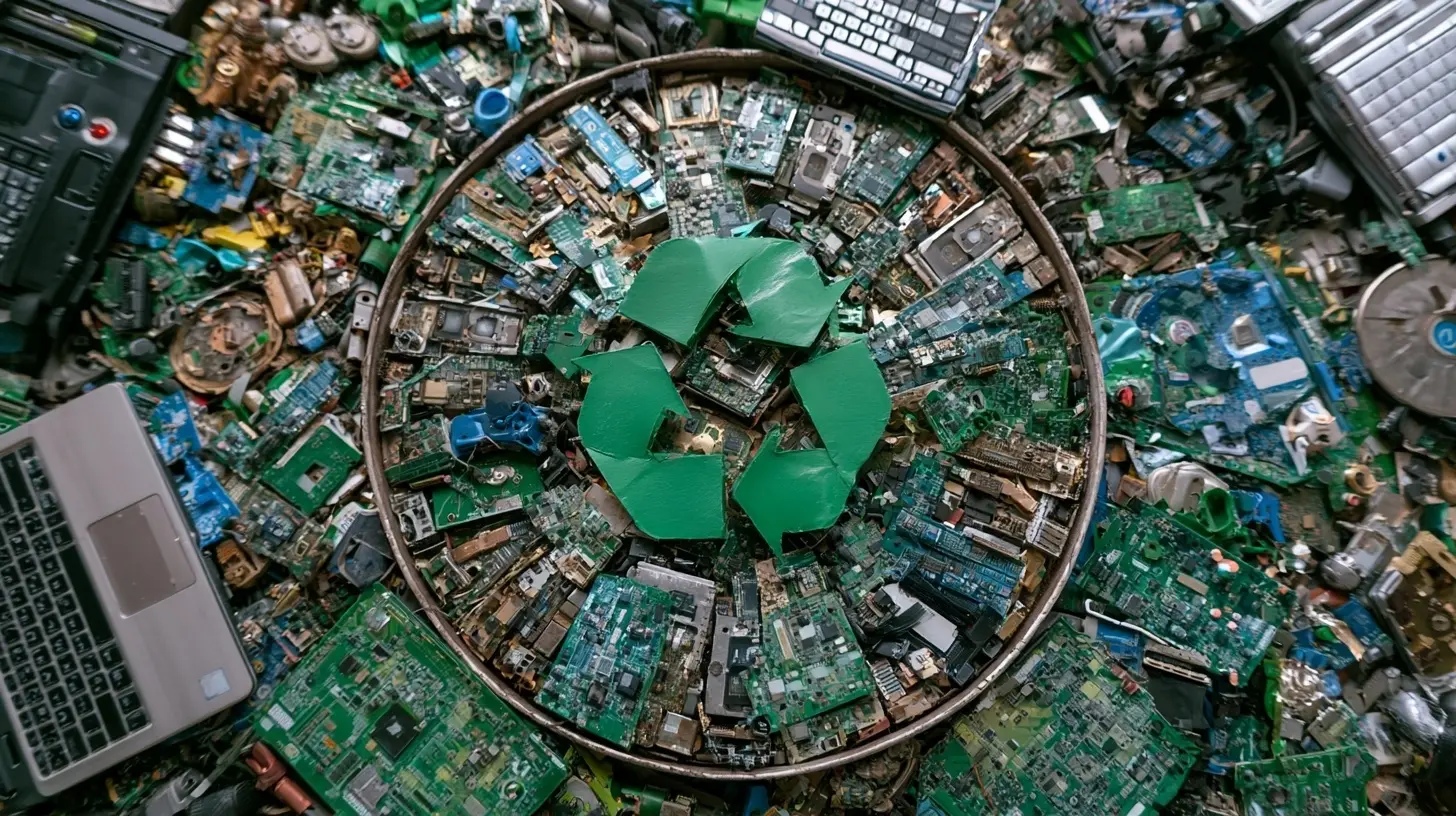
E-waste, or electronic waste, refers to discarded electrical and electronic equipment: anything with a plug, battery, or cord that has reached the end of its useful life for its owner. That includes laptops, phones, monitors, printers, cables, chargers, televisions, kitchen appliances, and increasingly things like smart thermostats and fitness trackers.The definition matters because it determines how material is handled. A working laptop donated to a school is not waste. A laptop with a swollen battery is hazardous material. A laptop with a wiped drive but a cracked screen is a repair candidate. The same object can be all three depending on condition and context, and good policy treats it that way.
The Material Reality Inside Your Devices
A typical smartphone contains dozens of elements from the periodic table: copper, gold, silver, palladium, aluminum, lithium, cobalt, nickel, tin, and small amounts of rare earth elements. Most of these are present in tiny quantities. That is precisely the problem. Extracting them economically at end of life is hard, which is why so much e-waste is shipped rather than processed locally, and why informal recycling exists wherever labor is cheap and oversight is thin.There is a paradox here worth sitting with. The concentration of gold in circuit boards is often higher than in ore mined from the ground. A tonne of discarded phones can contain more precious metal than a tonne of raw ore. The resource is not missing. The collection and recovery systems are.

Why E-Waste Keeps Growing
Three forces drive the volume upward, and understanding them changes how you think about your own purchases.First, devices are getting cheaper in real terms while becoming more capable. When a replacement costs less than a repair, replacement wins. Second, software support windows end. A phone that works perfectly well can become a security liability once updates stop, pushing users toward new hardware for reasons that have nothing to do with physical failure. Third, product design often works against repair: glued batteries, soldered memory, proprietary screws, and serialized parts that require manufacturer authorization to replace.
None of these forces is a conspiracy. Each has a logic: thin devices, water resistance, and cost control all push toward integrated design. But the cumulative effect is a system that treats functional hardware as disposable, and consumers absorb the cost without seeing it clearly.
The Hidden Costs: Health, Environment, and Data
Environmental Consequences
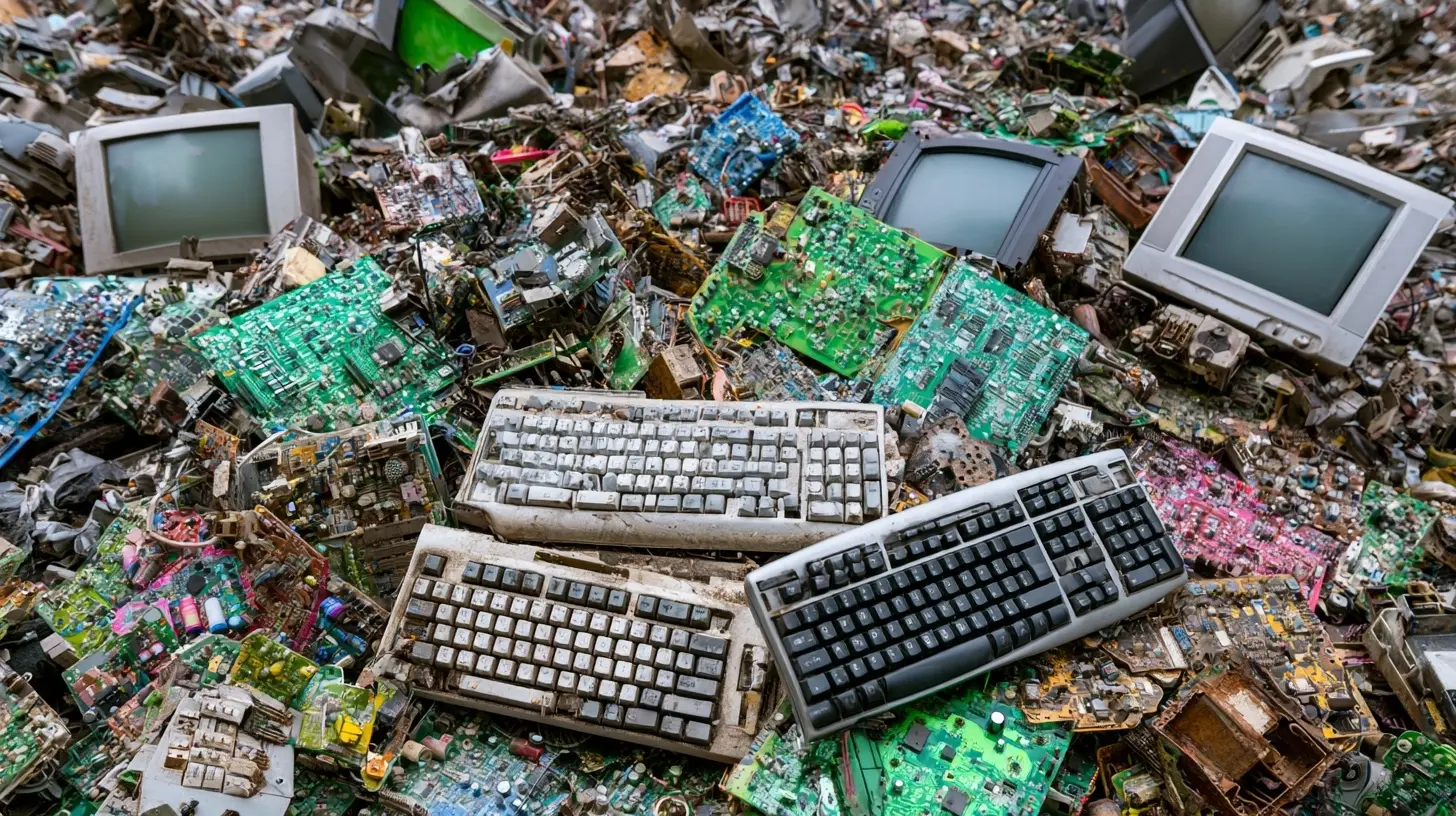
When e-waste is dumped or burned, heavy metals and flame retardants leach into soil and groundwater. Open burning of cables to recover copper releases dioxins and other persistent pollutants. These are well-documented harms, not speculative ones.There is also a climate dimension. Manufacturing a single laptop or phone concentrates a large share of its lifetime emissions in production rather than use. Every year you extend a device's life is a year of embodied carbon you do not have to spend again. This is why repair and reuse usually beat recycling on environmental grounds, and why recycling beats disposal.
The Human Cost
Informal recycling hubs exist because formal systems have not kept pace. Workers, sometimes children, dismantle devices by hand, exposing themselves to toxic solder, battery chemicals, and fumes. This is not an argument against recycling. It is an argument for formal, certified recycling and for designing products that are easier and safer to take apart.The Data Problem
A discarded device is also a data-bearing device. Photos, messages, saved passwords, and authentication tokens can survive a simple factory reset in some cases. Before any device leaves your hands, whether for resale, donation, or recycling, you should verify that data is actually gone. On modern phones and laptops, full-disk encryption plus a factory reset is generally sufficient. On older spinning hard drives, physical destruction or a verified multi-pass wipe is the safer route.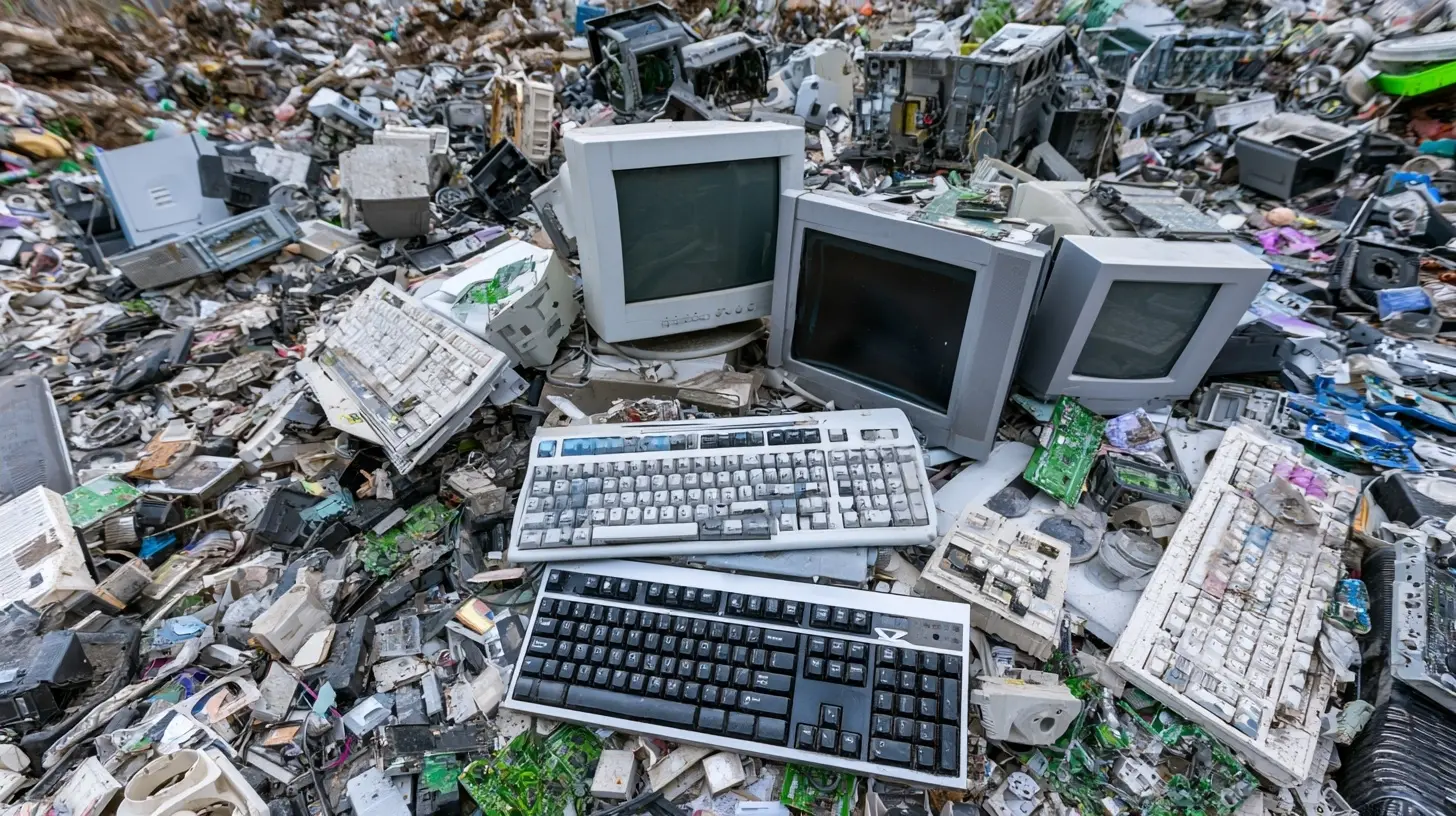
The Waste Hierarchy Applied to Technology
The familiar reduce, reuse, recycle hierarchy maps well onto electronics, with one addition: repair. Here is how the options rank in practice, from best to worst.Reduce: Buy Less and Buy Better
The most effective intervention is buying fewer devices and choosing ones you can keep. A laptop with user-replaceable RAM and storage, a phone with a long promised update window, and accessories with standard connectors all extend useful life. This is not about deprivation. It is about paying attention to longevity specs the way you pay attention to camera specs.Repair: The Underrated Middle Path
Repair is often cheaper than people assume and more accessible than they expect. Independent repair shops, manufacturer programs, and community repair cafes exist in many cities. Right-to-repair legislation in several regions has begun to require access to parts, tools, and documentation. Before replacing a device, get a quote. A battery replacement on a two-year-old phone is almost always worth it. A screen replacement on a laptop often is. A motherboard replacement on a five-year-old budget model often is not, and a repair shop can tell you which situation you are in.Reuse: Pass It On
A working device you no longer need has value to someone else. Options include selling, gifting, donating to schools or nonprofits, and trading in through manufacturer programs. Trade-in programs are convenient but often pay less than selling directly and may route devices to recycling rather than reuse. If reuse is your goal, verify where the device actually goes.Recycle: The Last Resort, Done Properly
When a device truly cannot be repaired or reused, certified recycling recovers materials and keeps toxins out of the environment. Look for certification schemes such as e-Stewards or R2 in the United States, or equivalent national schemes elsewhere. These certifications require audited downstream handling, which matters because the difference between a good recycler and a bad one is often invisible from the outside.Common Mistakes and Misconceptions
Myth: Recycling is always the greenest option. No. Reuse and repair preserve far more value and avoid the emissions and resource use of manufacturing a replacement. Recycling is the safety net, not the goal.Mistake: Storing old devices indefinitely. Drawer hoarding feels harmless, but batteries degrade and can swell, and the materials never re-enter circulation. Set a rule: if you have not used a device in a year and do not have a clear plan for it, move it along.
Mistake: Assuming manufacturer take-back is the same as responsible recycling. Some programs are excellent. Some are convenient drop boxes with unclear downstream handling. Ask where material goes, or use certified channels.
Misconception: Data is safe after a factory reset on any device. On modern encrypted phones, yes, generally. On older drives and some embedded devices, no. Match the wiping method to the hardware.
Mistake: Buying "eco" accessories without checking the device they charge. A compostable phone case does little if the phone inside is replaced every eighteen months. Priorities matter.
Practical Playbook for Individuals
1. Audit what you own. Gather every cable, charger, old phone, and dead laptop in one place. Decide: keep, repair, sell, donate, or recycle.2. Check update policies before buying. A device with five to seven years of security updates is a better environmental choice than a cheaper one with two.
3. Get a repair quote before replacing. The cost of a battery or screen swap is often a fraction of a new device.
4. Wipe data properly. Use full-disk encryption and a factory reset, or verified wiping software for older drives.
5. Use certified recyclers. Search for e-Stewards or R2 certified facilities, or use municipal programs that contract with them.
6. Buy refurbished where it makes sense. Refurbished laptops and phones from reputable sellers often carry warranties and avoid new manufacturing entirely.
What Organizations Should Consider
For businesses and institutions, e-waste is a procurement and asset-management issue as much as a disposal one.- Build refresh cycles around actual need, not fixed calendars. A four-year blanket replacement policy often retires hardware that still has years of useful life.
- Require repairability and long support windows in procurement. This is one of the highest-leverage levers an organization has.
- Track assets through their full life. Know where every device is, who has it, and what happens when it comes back.
- Use IT asset disposition vendors with audited data destruction and certified downstream recycling. Get certificates of destruction and recycling.
- Donate working equipment through programs that handle data wiping and refurbishment responsibly.
The trade-off is real: longer refresh cycles can raise support costs and security risk if devices fall out of update support. The right answer is not "keep everything forever" but "replace for reasons, not by default."
The Systemic View: Design, Policy, and Consumer Power
Individual action matters, but the largest levers are systemic. Extended producer responsibility laws shift disposal costs onto manufacturers, which creates incentives for design that is easier to recycle. Right-to-repair rules open parts and documentation. Repairability scoring, now appearing on some product listings, gives buyers comparable information.Consumers influence these systems through purchases and through attention. A market that rewards long support windows and repairable designs will get more of them. A market that rewards the lowest sticker price will get more disposable hardware.
A Closing Thought
The world of e-waste is not a problem waiting for a perfect solution. It is a series of decisions, most of them small, made by people holding phones and laptops and wondering what to do next. The device in your hand is a concentration of human effort, mined materials, and engineering. Treating it as disposable is a choice. Treating it as something worth repairing, passing on, and eventually recovering is also a choice, and it is available today.
all images in this post were generated using AI tools
Category:
Technology GuidesAuthor:

Adeline Taylor
Discussion
rate this article
1 comments
Calder Henson
Important insights on sustainability.
October 22, 2026 at 3:38 AM