The Impact of AI-Powered Cameras on Photography
12 June 2026
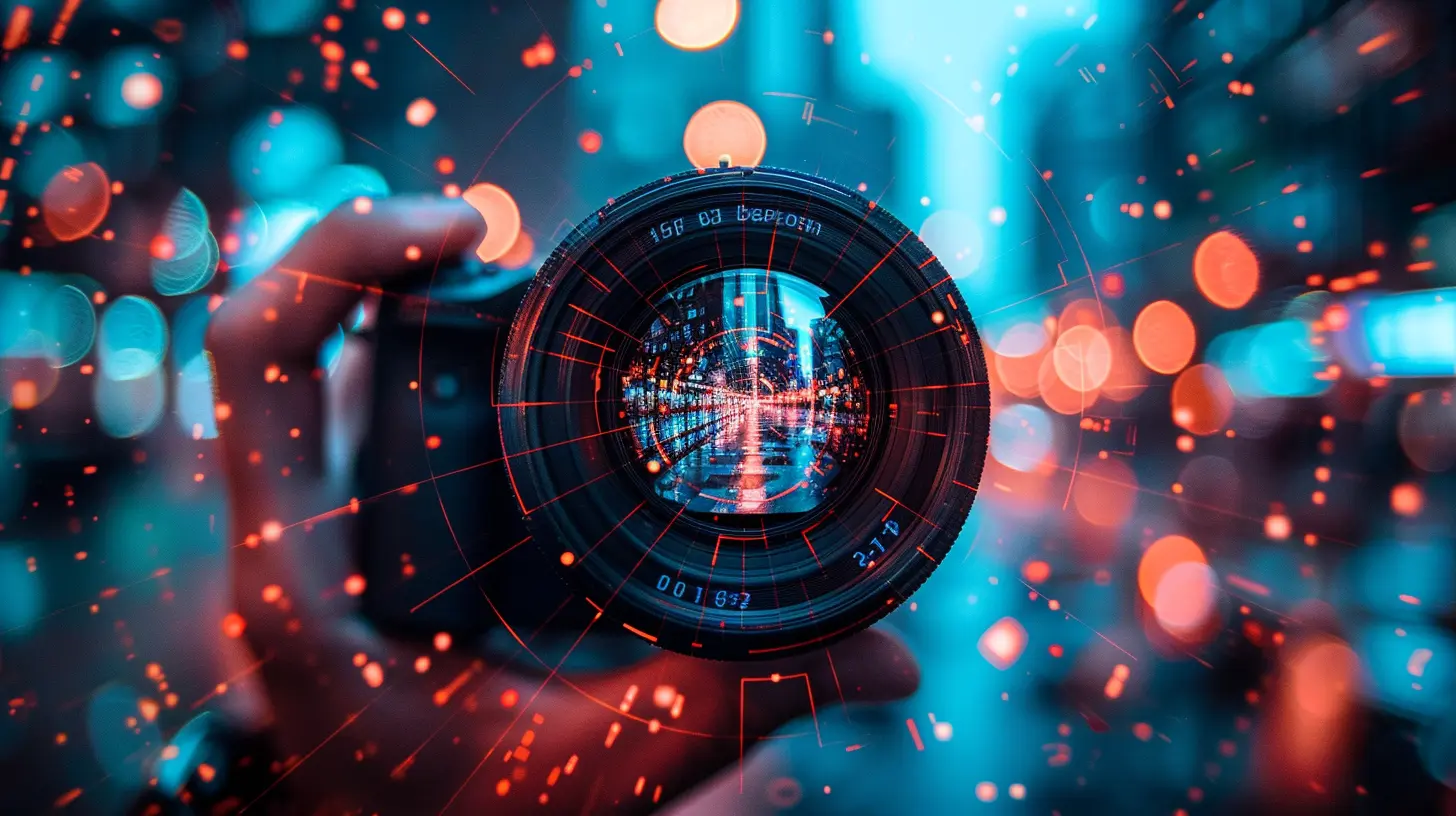
Photography has come a long way since the days of bulky film cameras. With the rise of digital technology, taking high-quality photos has never been easier. But now, artificial intelligence (AI) is pushing the boundaries even further. AI-powered cameras are revolutionizing the way we capture, edit, and share images, making photography more accessible and powerful than ever.
So, how exactly is AI transforming photography? Let’s dive into the impact AI-powered cameras are having on photographers, from amateurs to professionals.
How AI Is Changing Photography
AI is not just a fancy tech buzzword—it’s a game-changer in photography. Cameras equipped with AI can analyze scenes, adjust settings, and even enhance images in real time. But that’s just the tip of the iceberg.1. Smart Scene Recognition
Gone are the days of fiddling with camera settings to get the perfect shot. AI-powered cameras can automatically detect the subject—whether it’s a person, a pet, food, or a sunset—and adjust settings accordingly.Imagine pointing your camera at a city skyline during golden hour. Instead of manually tweaking exposure, white balance, and focus, AI does it for you in milliseconds. This means even beginners can take professional-quality photos with minimal effort.
2. AI-Assisted Autofocus and Tracking
Ever struggled to keep a moving subject in focus? AI has solved this problem with intelligent autofocus and subject tracking. Whether it’s a hyperactive child, a fast-moving car, or an unpredictable pet, AI-powered autofocus ensures razor-sharp images.Modern cameras, like those from Sony and Canon, use AI for real-time eye autofocus. The camera detects and locks onto a person's or animal’s eyes, keeping them in focus no matter how much they move. This is a game-changer for portrait and wildlife photography.
3. Computational Photography: Beyond Traditional Lenses
Smartphones are leading the way in computational photography, leveraging AI to produce stunning images without relying solely on hardware. Features like Night Mode, HDR, and portrait effects are all made possible by AI.For example, Night Mode captures multiple images at different exposures and combines them to produce a well-lit photo, even in near darkness. AI processes these images, reducing noise and enhancing details—something traditional cameras struggle with.
4. Instant Image Enhancement and Editing
Editing photos can be time-consuming, but AI has made it effortless. Tools like Adobe Sensei and Google’s AI-powered photo editors can retouch images, remove unwanted objects, and enhance colors with a single click.AI can also suggest edits based on lighting conditions and subject matter. Want a moody black-and-white shot? AI can analyze the image and apply the best filter automatically. This not only saves time but also helps people who may not have advanced editing skills.
5. AI-Powered Denoising and Sharpening
Low-light photography has always been a challenge. Shooting in dim conditions often results in grainy or blurry images. AI-based noise reduction tools, such as those found in modern cameras and editing software, can clean up images without sacrificing detail.Similarly, AI sharpening tools can enhance focus and clarity, making slightly blurry photos look crisp. This is particularly helpful for photographers who shoot in challenging conditions, like concerts or nighttime landscapes.
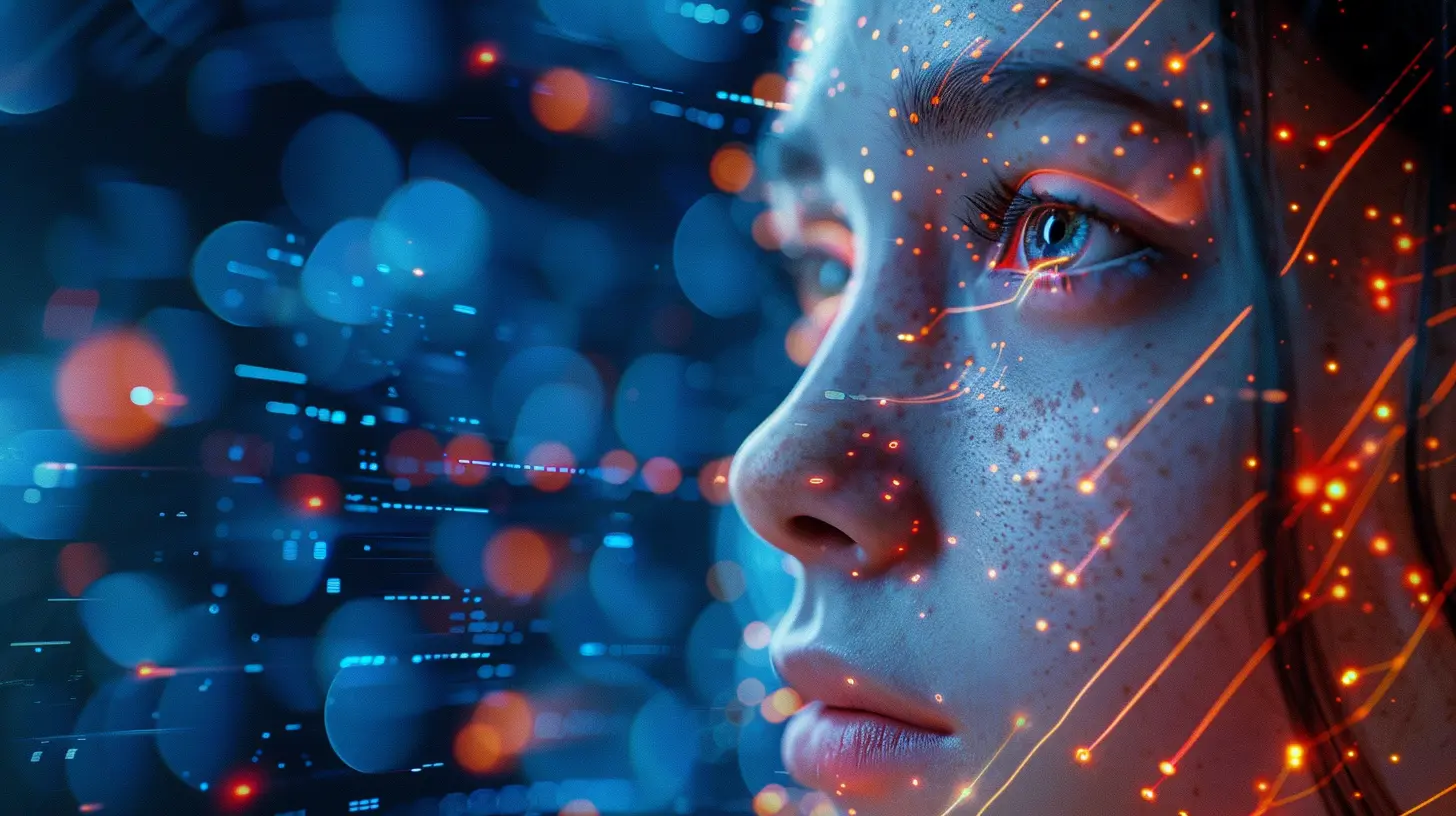
AI in Smartphones vs. AI in Professional Cameras
AI-powered photography is thriving in both the smartphone and professional camera markets. But how do they compare?Smartphone AI Photography
Smartphones heavily rely on AI because their camera hardware is limited by size. AI makes up for that by enhancing details, improving dynamic range, and simulating depth-of-field effects (like bokeh).Features like:
- AI-powered scene detection
- Real-time editing suggestions
- Portrait mode with background blur
- Super-resolution zoom using AI algorithms
These features allow everyday users to take breathtaking photos without any prior photography knowledge.
AI in Professional Cameras
Professional cameras, on the other hand, use AI for different purposes. They focus more on improving autofocus, noise reduction, and tracking moving subjects. AI helps pro photographers by:- Enhancing autofocus precision
- Providing real-time subject recognition
- Reducing manual editing needs
- Offering smart exposure adjustments
While smartphones rely more on AI for final image quality, professional cameras use AI to assist photographers in capturing better raw images.
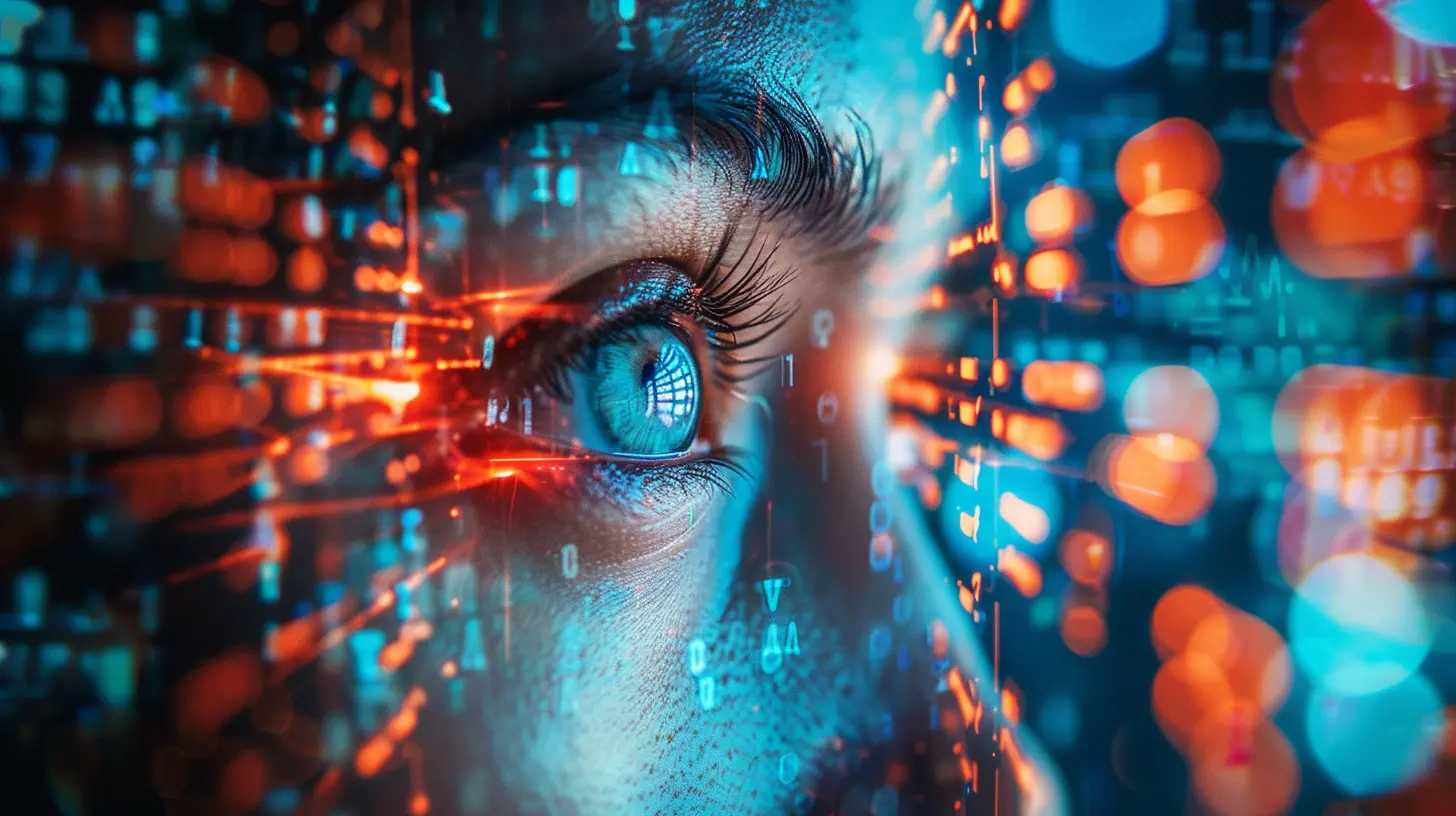
The Debate: Is AI Killing Traditional Photography?
With AI doing so much of the heavy lifting, some photographers worry that traditional skills are becoming obsolete. After all, if AI can take the perfect shot, what’s left for the photographer to do?But here’s the thing—AI is a tool, not a replacement for creativity. Photography isn’t just about technical perfection; it’s about storytelling, emotion, and perspective. AI can enhance an image, but it can’t replicate the artistic vision of a photographer.
If anything, AI allows photographers to focus more on composition and creativity rather than worrying about technical settings. It’s making photography more accessible, not killing it.
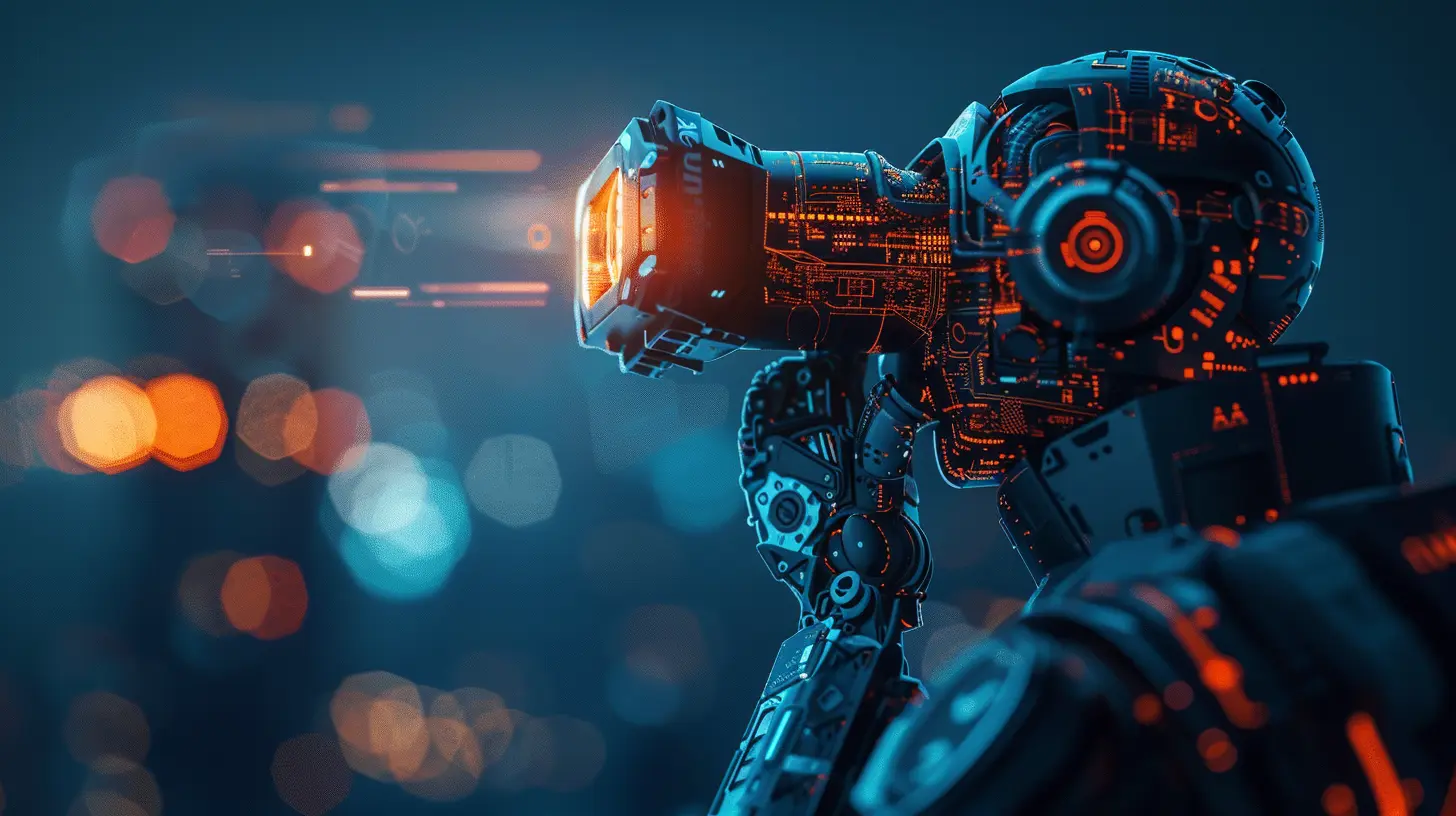
The Future of AI-Powered Cameras
Looking ahead, AI will continue to evolve and shape the photography industry in new ways. Some exciting possibilities include:- AI-Powered Composition Assistance: Future cameras might analyze a scene and suggest the best framing for a shot.
- Automated Post-Processing: AI could apply professional-level edits instantly based on past preferences.
- Deepfake and AI-Generated Visuals: While controversial, AI-generated images and even videos are becoming more realistic.
- AI-Based Noise Elimination: Cameras may one day capture noise-free images in near-total darkness using AI alone.
The future is bright for AI in photography, and it’s just getting started.
Conclusion
AI-powered cameras are transforming the way we capture memories, making photography easier, smarter, and more accessible. Whether you’re a casual smartphone user or a professional photographer, AI is reshaping the field in exciting ways. While some fear that AI is replacing traditional photography skills, the truth is, it’s just another powerful tool to enhance creative expression.As AI continues to evolve, we can expect cameras to become even smarter, helping photographers push their creative limits and redefine what’s possible. One thing’s for sure—AI isn’t going away anytime soon, and the photography industry is better because of it.
all images in this post were generated using AI tools
Category:
Tech InnovationsAuthor:
Adeline Taylor
Discussion
rate this article
2 comments
Simone McKee
AI-powered cameras? Sure, they can snap a pic, but let's be real: nothing beats the creative eye of a true photographer. Don't let tech overshadow talent...
August 21, 2026 at 4:51 AM
Adeline Taylor
I get what you're saying. Technology should enhance creativity, not replace it. The best photos come from the heart, not just the camera.
Sylvia Snyder
AI cameras are great, but don't forget the magic happens behind the lens, not just in the software.
June 17, 2026 at 10:31 AM
Adeline Taylor
You make a good point. The artistry and vision of the photographer are what truly bring images to life, even with advanced technology.