The Smartest Fitness Gear to Watch in 2027
7 September 2026
Fitness technology has a nasty habit of promising more than it delivers. We have seen smart water bottles that track sips, yoga mats that vibrate, and AI trainers that cannot tell a squat from a lunge. But the gear heading toward 2027 is different. It is not about adding sensors to everything. It is about making the sensors disappear and turning raw data into decisions you can actually use.
If you are still buying equipment based on what looked cool at CES three years ago, you are already behind. The next generation of fitness gear is being built around recovery science, real-time biomechanics, and adaptive programming. This is not a list of gadgets. It is a map of where the industry is heading and what you should spend money on before the hype cycle peaks.
The Shift from Tracking to Coaching
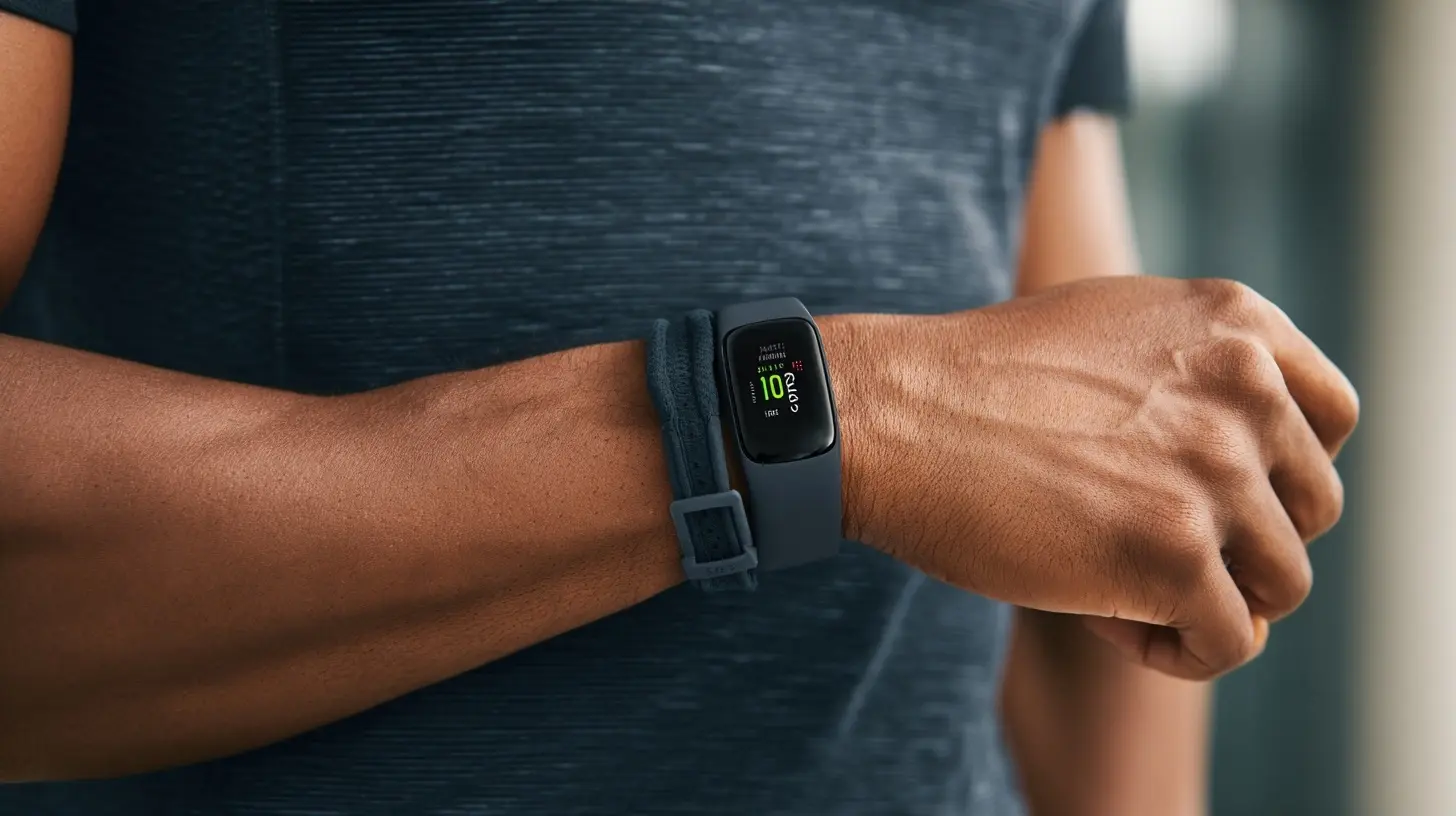
The biggest mistake most people make with fitness tech is treating it like a scoreboard. Step counts, calories burned, and heart rate zones are outputs. They tell you what happened, not what to do next. The gear that matters in 2027 is shifting from passive tracking to active coaching. That means devices that not only measure your performance but also adjust your workout in real time based on how your body is responding.Think of it this way. A normal smartwatch tells you that your heart rate hit 180 during intervals. A coaching system tells you to back off because your heart rate variability is dropping and your recovery index is poor. The first is a fact. The second is a recommendation. The gear that bridges that gap is what you should be watching.
Wearables with onboard AI models are already beginning to do this. By 2027, expect devices that learn your personal thresholds, not generic population averages. For example, a runner with a naturally low resting heart rate does not need the same alarm thresholds as someone with a higher baseline. The new systems will figure that out without you having to configure anything.
Smart Resistance Training Is Finally Growing Up
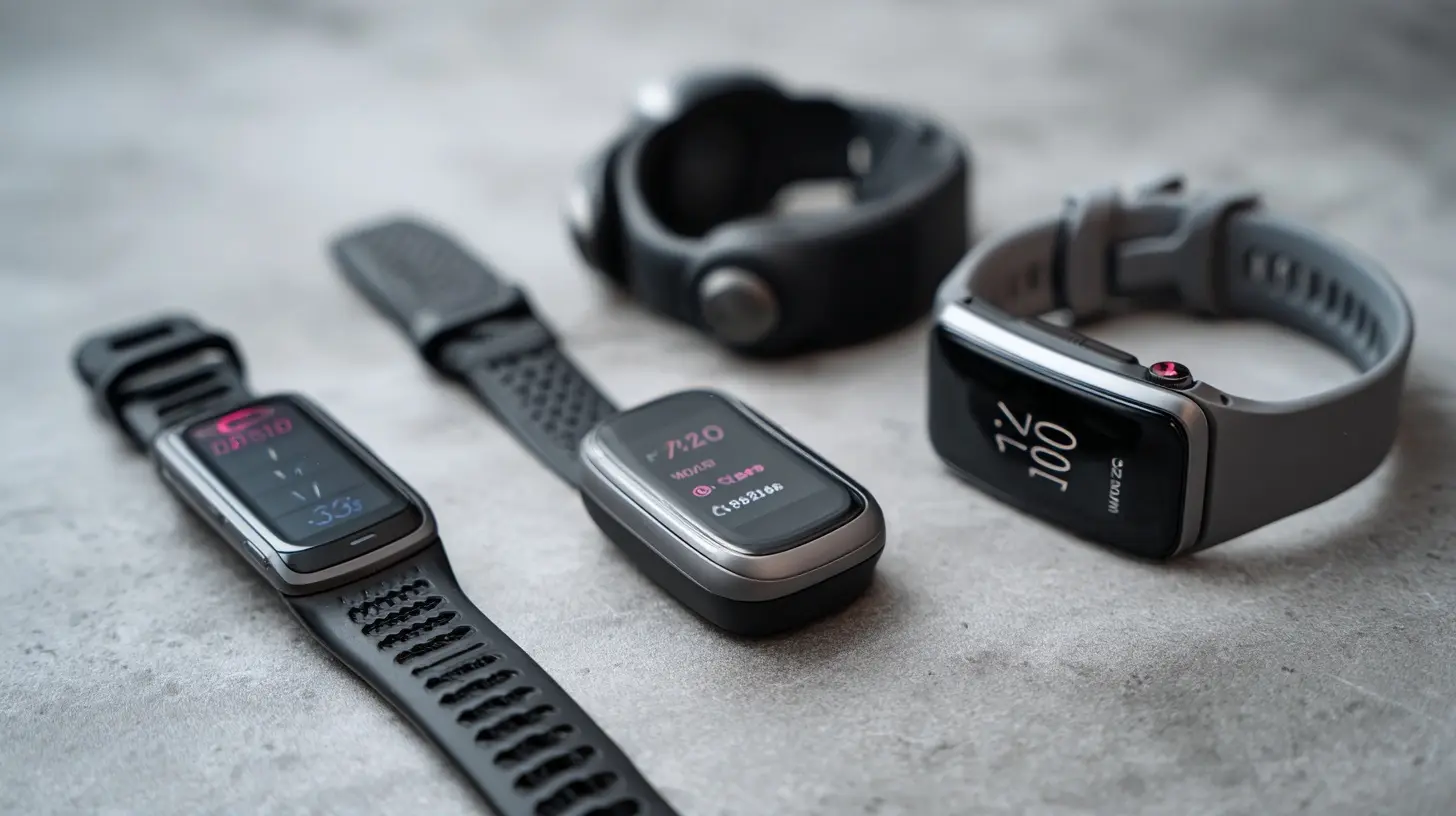
Connected strength equipment has had a rough decade. Early smart dumbbells were overpriced and underpowered. The first digital weight stacks had latency issues that made lifting feel unnatural. But the 2027 generation of smart resistance gear is solving the two problems that killed earlier versions: control and feedback.The key advancement is in electromagnetic resistance. Instead of relying on motors that spool up slowly, the new systems use linear actuators and real-time load adjustment. That means the weight can change within milliseconds, mid-rep, without any mechanical clanking. You can do a set of five reps where the fifth rep is 20 percent heavier, and the machine adjusts smoothly enough that you do not lose your form.
Why does this matter? Because it unlocks a training method called accommodating resistance. This is not new in elite sports. Bands and chains have done it for years. But smart gear can do it with far more precision. For example, a cable machine can add resistance at the top of a row where you are strongest, then lighten the load in the stretched position where you are weak. That keeps tension on the muscle through the entire range of motion, which is a major driver of hypertrophy.
The other big change is in eccentric overload. Lowering a weight slowly, under control, causes more muscle damage and growth than lifting it quickly. Smart resistance machines can automatically increase the load during the lowering phase and decrease it on the way up. No spotter needed. For anyone training alone, this closes a safety gap that has existed since the invention of the barbell.
What to look for in 2027: machines that offer both concentric and eccentric adjustment, have a low latency profile (under 50 milliseconds), and include a safety release that does not require you to press a button. The software matters more than the hardware. If the machine cannot export your workout data in a structured format, skip it.
Recovery Wearables That Do More Than Measure Sleep
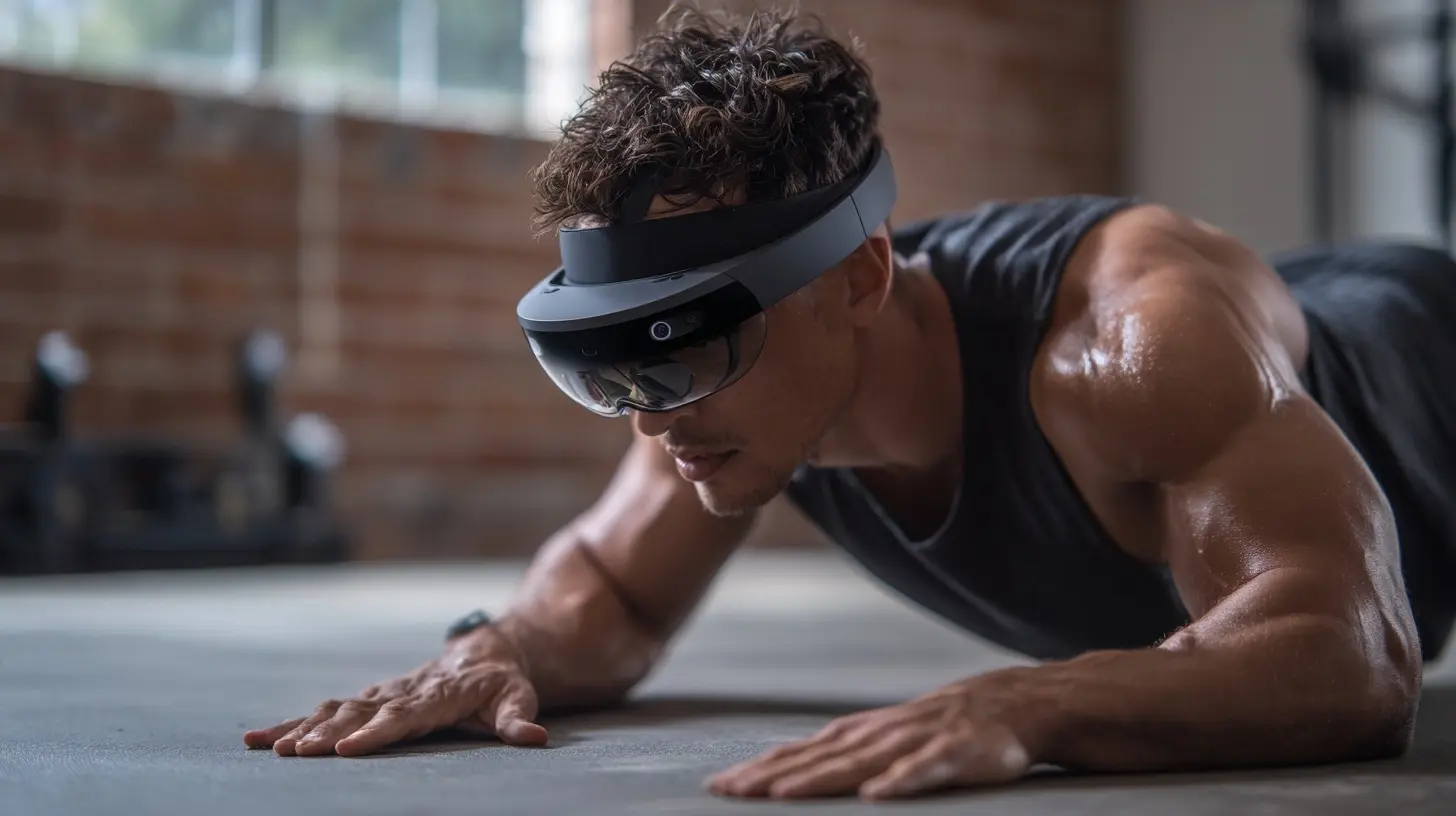
Sleep tracking was the gateway drug for recovery tech. But measuring sleep is easy. Improving it is hard. The 2027 recovery gear is moving beyond passive monitoring into active intervention. The most interesting category is wearable warming and cooling devices.Contrast therapy has been used by athletes for decades. Hot and cold exposure reduces inflammation, improves blood flow, and speeds up muscle repair. But going to a spa or icing your legs after every workout is impractical. The new generation of recovery wearables integrates thermoelectric elements directly into sleeves, wraps, and even shorts. You wear them for twenty minutes after training, and they cycle between heat and cold automatically.
The science here is solid, but the execution has been clunky. Early prototypes were heavy, noisy, and had terrible battery life. By 2027, expect flexible thermoelectric films that are thin enough to sew into compression garments. The control app should let you set the temperature curve, not just a single setting. Some systems already allow you to program different protocols for upper body versus lower body.
Another recovery category that is getting smarter is percussion therapy. The classic massage gun is a blunt instrument. It vibrates at a fixed frequency, and you move it around until something feels better. The next generation uses accelerometers and force sensors to detect muscle stiffness and adjust the amplitude and frequency automatically. It is not a replacement for a skilled massage therapist, but it is far better than blindly jabbing at a knot.
The common misconception is that recovery gear should make you feel less sore. That is a poor metric. Soreness is not always correlated with recovery quality. The real goal is restoring your nervous system and muscle function before your next session. The best devices will measure something functional, like range of motion or jump height, before and after the recovery protocol, and tell you if the treatment worked.

Smart Clothing Is Quietly Becoming Useful
For years, smart clothing was a joke. Shirts with heart rate monitors that washed poorly. Socks that counted steps. The sensors were bulky, the batteries died fast, and the data was redundant with what your watch already gave you. But 2027 smart clothing is focusing on something that wrist wearables cannot measure: muscle activation and gait symmetry.The breakthrough is in textile-based electromyography, or EMG. Instead of gel electrodes, the new garments use conductive yarns that can detect the electrical activity of muscles through the fabric. A pair of smart leggings can tell you if your left glute is firing significantly less than your right glute during a squat. A smart shirt can show you whether your core is activating before your shoulders during a push-up.
Why is this useful? Because most people cannot feel asymmetries. You might have a compensated movement pattern that is slowly wrecking your knee or lower back, and you have no idea. A watch cannot see that. A video camera can, but only if you know what to look for. EMG clothing gives you direct feedback on which muscles are doing the work.
The practical applications are huge. For runners, a smart sleeve on the calf can measure impact forces and foot strike patterns without needing a pod on your shoe. For lifters, a smart belt can measure intra-abdominal pressure, which is a much better indicator of core stability than any amount of visual inspection.
The trade-offs are still real. EMG clothing is delicate. You cannot just throw it in the dryer. The battery life is measured in hours, not days. And the calibration process is not trivial. The first time you put on a pair of smart shorts, you will need to perform a series of test contractions so the system can map your baseline. If you are not willing to spend ten minutes on setup, this gear will frustrate you.
But for people with a history of injuries or those who train with heavy loads, the insights are worth the hassle. The best use case is not daily wear. It is for specific sessions where you are working on technique or coming back from an injury. Use it to confirm that your movement patterns are clean, then put it away.
The Return of the Smart Mirror, Done Right
The smart mirror had a rough launch. The early versions were basically tablets behind glass with a few workout videos. They were expensive, the content got stale, and most people stopped using them after a month. The 2027 smart mirror is a completely different animal.The new systems use depth-sensing cameras and computer vision to track your actual joint positions in three dimensions. They are not guessing based on a 2D video feed. They can see if your knee caves inward during a lunge, if your hips rise too early during a deadlift, or if your shoulder angle is off during a bench press. The feedback is not just a score on a screen. It is a visual overlay that highlights the problem joint and gives you a corrective cue.
The key difference from the earlier generation is that the software is now good enough to be genuinely useful. The first wave of AI form checkers were trained on limited datasets and could only recognize obvious mistakes. The new models are trained on thousands of hours of supervised lifting sessions and can differentiate between a minor compensation and a dangerous fault.
What should you look for? The camera quality matters, but the software matters more. A mirror with a 30 frames per second depth sensor is better than one with a 60 fps RGB camera if the AI model is more robust. Check whether the system offers real-time feedback during the rep, not just a summary after the set. Also check whether it can handle free weights, not just bodyweight exercises. Many of the best mirrors still struggle with tracking a barbell because the bar obscures the joint markers.
The biggest misconception is that a smart mirror can replace a personal trainer. It cannot. It has no eyes for your emotional state, no sense of your pain tolerance, and no ability to adjust your program based on how you feel that day. What it can do is give you objective feedback on your technique, which is something even many human trainers fail to do well.
Use the mirror for volume work and technique practice. Save your heavy, low-rep sets for a gym with a real spotter. The mirror will tell you when your form breaks down, but it cannot catch a failed squat.
Biofeedback Rings and the Next Frontier of Heart Data
Smart rings have been around for a while, but they have mostly been sleep trackers with a nicer form factor than a watch. The 2027 rings are adding a new set of sensors that measure something called cardiac time intervals. This is not just heart rate. It is the timing of the electrical and mechanical events in each heartbeat.These measurements can tell you about your sympathetic nervous system activity, your stress load, and your cardiovascular efficiency in ways that simple pulse rate cannot. For example, a ring that measures pre-ejection period, the time between the electrical signal and the actual ejection of blood from the heart, can give you an early warning of overtraining syndrome.
Why does this matter? Because the most common reason people plateau or get injured is doing too much too soon. Your resting heart rate might look normal, but your cardiac time intervals could be showing that your body is still fighting off the previous workout. The new rings can tell you that your training readiness is low before you even lace up your shoes.
The practical advice here is not to buy a ring just because it has more sensors. The data is only useful if the software interprets it correctly. Look for a ring that gives you a simple readiness score but also lets you see the underlying metrics. A score without context is just another number to obsess over.
Another thing to watch for is whether the ring can measure during exercise, not just at rest. Early rings were terrible at tracking workouts because the optical sensors could not handle movement artifacts. The new models use a combination of photoplethysmography and accelerometry to clean up the signal. If you are a runner or cyclist, test the ring against a chest strap during a hard interval session. If the heart rate readings drift by more than a few beats, send it back.
The Problem with Data Overload
All of this gear produces a massive amount of data. The danger is that you start training to the numbers instead of training to the feeling. This is a real phenomenon called measurement reactivity. When people know they are being measured, they change their behavior. Sometimes that is good. Sometimes it leads to over-optimization of a single metric at the expense of overall health.The smartest fitness gear in 2027 will not just collect data. It will filter it. The best systems will show you three to five actionable numbers per day, not a dashboard with forty metrics and a dozen charts. If a device requires you to spend more than five minutes interpreting the results, it is not smart. It is just complicated.
My advice is to pick one primary metric for each goal. If you are training for strength, track your rate of perceived exertion and your bar speed. If you are training for endurance, track your heart rate variability and your pace variability. If you are training for general health, track your sleep consistency and your daily step count. Ignore everything else unless a specific metric is relevant to a current problem.
Common Buying Mistakes to Avoid in 2027
The first mistake is buying for the brand instead of the ecosystem. A device is only as good as the software it connects to. If the app does not integrate with your training log or your calendar, the data will live in a silo and die there. Check whether the device can export data to common platforms like TrainingPeaks, Apple Health, or Google Fit. If it only works with its own proprietary app, consider whether you are willing to maintain that extra relationship.The second mistake is ignoring battery life. The most advanced wearable in the world is useless if it dies during your workout. Look for devices that can last at least a week on a single charge for daily wearables. For strength equipment, check the standby power draw. Some smart machines consume electricity even when idle, which adds up over a year.
The third mistake is assuming that more expensive means more accurate. The correlation between price and sensor quality is weak, especially in the mid-range. A 200 dollar heart rate monitor can be more accurate than a 500 dollar one if the algorithms are better. Read independent reviews, not marketing copy. Look for validation studies that compare the device against medical-grade equipment.
The fourth mistake is not considering privacy. Fitness data is deeply personal. It reveals your habits, your stress levels, your sleep patterns, and your physical limitations. The 2027 gear will collect even more sensitive data, like muscle activation patterns and cardiac time intervals. Read the privacy policy before you buy. If the company shares your data with third parties for advertising, walk away.
Practical Recommendations for Different User Types
For the competitive athlete, the highest value purchase is a smart resistance machine with eccentric overload. The ability to add controlled negative reps without a spotter is a genuine training advantage. Pair it with a recovery sleeve that uses thermoelectric cooling, and you have a solid setup for two-a-day training sessions.For the recreational lifter, a smart mirror with depth sensing is the best investment. It will correct form errors before they become injuries. The second best purchase is a pair of EMG leggings or shorts for squat and hinge days. You do not need them every session, but they are invaluable for checking your technique under fatigue.
For the runner, the most important upgrade is not new shoes. It is a wearable that measures ground contact time and vertical oscillation. These two metrics tell you more about your running economy than your pace or heart rate. A watch with a running dynamics pod, or a clothing-integrated sensor, will help you find a more efficient stride.
For the general fitness enthusiast who just wants to stay healthy, the smartest purchase is a simple biofeedback ring and a commitment to using the readiness score. Do not buy every gadget. Buy one good sensor and actually follow its recommendations for three months. That alone will improve your training more than owning six devices that you check once a week.
The Bottom Line
The fitness gear of 2027 is not about being smarter for the sake of it. It is about closing the loop between measurement and action. The devices that win will be the ones that tell you what to do, not just what happened. They will be integrated into your clothing and your equipment, not strapped to your wrist. They will respect your time by showing you only what matters.You do not need to buy everything. You need to buy the thing that addresses your biggest bottleneck. If your problem is technique, get a mirror. If your problem is recovery, get a ring or a sleeve. If your problem is motivation, no gadget will fix that. Be honest about what you need, and let the technology serve that need rather than creating a new one.
all images in this post were generated using AI tools
Category:
Technology ReviewsAuthor:

Adeline Taylor
Discussion
rate this article
2 comments
Otis McConnell
This article highlights impressive innovations in fitness tech for 2027. It's exciting to see how smart gear can enhance workouts and improve overall health. Looking forward to these advancements!
September 17, 2026 at 11:50 AM
Sophie Hayes
In 2027, your treadmill might just start giving you relationship advice... watch out for the motivational pep talks!
September 14, 2026 at 4:02 AM
Adeline Taylor
Ha, I can already hear it saying, "Keep running toward your dreams... and your soulmate!