Under-the-Radar Gadgets That Could Be Huge in 2026
20 September 2026
Every year, a handful of gadgets dominate headlines. New phones, new consoles, new wearables from the biggest brands. But the products that actually reshape how we live often start quietly. They show up at trade shows tucked into corner booths, get funded on crowdfunding platforms with modest goals, or ship to a few thousand early backers before anyone writes a serious review. By the time they hit the mainstream, the shift feels sudden, even though it was visible for years to anyone paying attention.
2026 looks like a year when several of these quiet categories finally cross a threshold. Not because of one breakthrough product, but because a cluster of enabling technologies has matured at the same time. Cheaper sensors, better batteries, on-device AI that no longer needs the cloud, and manufacturing processes that let small teams ship hardware that would have required a major company a decade ago. What follows is a look at the gadgets and categories worth watching, with the reasoning behind each pick, the trade-offs you should understand, and what would need to happen for these to go from niche to normal.

Why the next big thing rarely looks big at first
There is a pattern to how hardware categories break through. The first version is expensive, limited, and slightly awkward. Early adopters tolerate the rough edges because the core idea is compelling. The second and third generations fix the obvious problems. Then a price drop or a killer use case pushes the product into the hands of people who never read a spec sheet.Smartwatches followed this path. So did wireless earbuds and robot vacuums. The lesson is that you should not judge an emerging category by its current flaws. You should judge it by whether the underlying problem it solves is real and whether the technology curve is bending in its favor. If both are true, the flaws are temporary.
With that lens, here are the areas where I think the bend is happening right now.
Ambient computing devices that live in the background
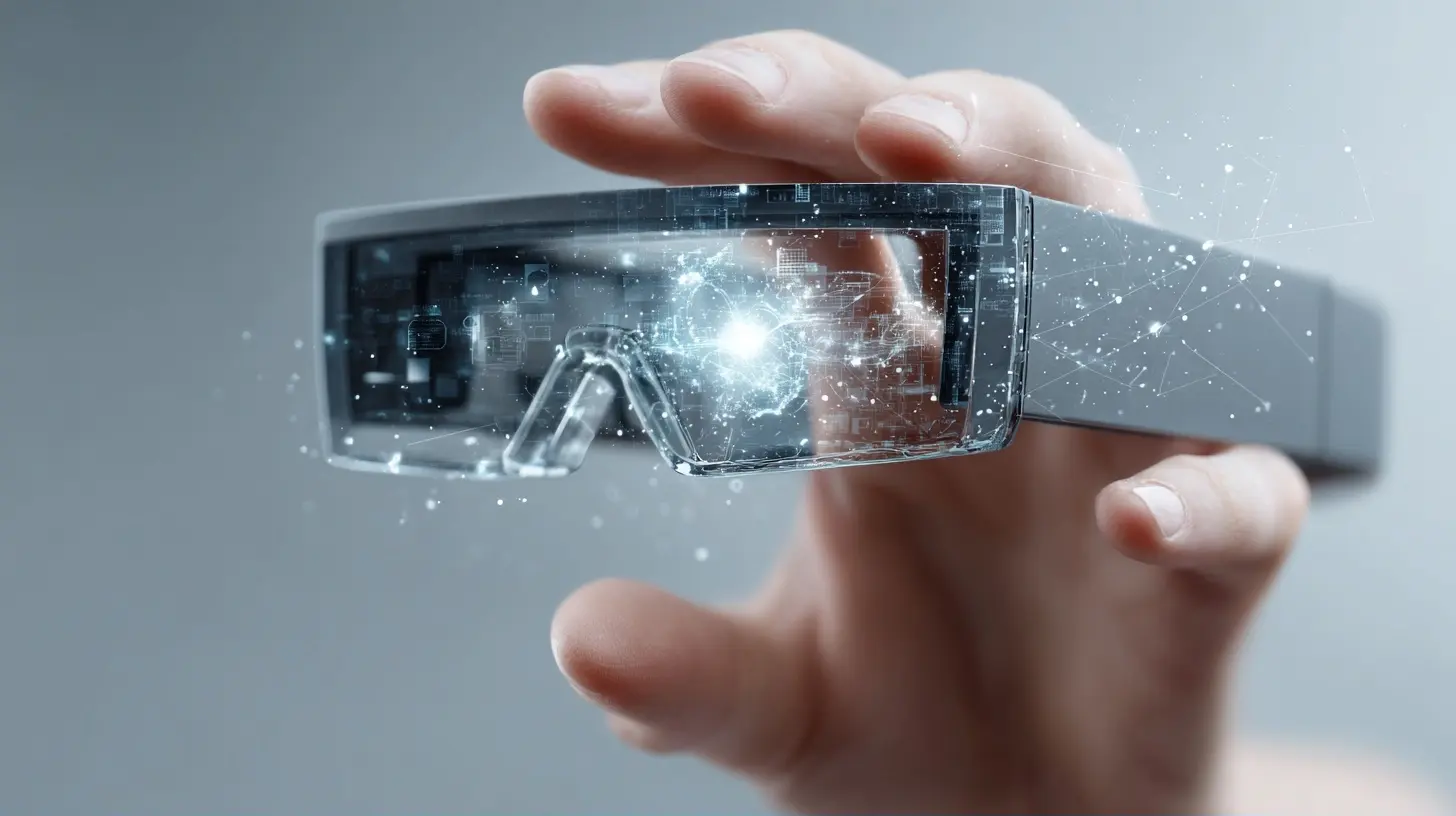
For years, the smart home has been a collection of disconnected gadgets. A speaker here, a camera there, a hub that only talks to certain brands. The promise of an environment that responds to you without you managing it has mostly been marketing.That is starting to change, and not because of a single new hub. It is changing because the cost of putting useful compute into small, low-power devices has dropped sharply. A tiny sensor package can now run basic machine learning models locally, which means it can make decisions without sending data to a server. That matters for two reasons: latency and privacy.
The rise of local-first sensing
Consider a device that watches a room and adjusts lighting, temperature, or audio based on who is present and what they are doing. In the past, that required a camera feeding video to the cloud, which raised obvious privacy concerns and added delay. Today, a small module can detect presence, motion, and even rough activity type using radar or low-resolution thermal sensing, all on the device itself. No images leave the room.The practical upside is that these devices become genuinely useful rather than creepy. A bedroom that dims lights and lowers the thermostat when you fall asleep, without a camera pointed at your bed, is a product many people would buy. A home office that switches audio profiles when you sit down at your desk is a small convenience that adds up.
What to watch for
The risk here is fragmentation. Every vendor wants its own app and its own ecosystem. Unless these devices speak a common language, you end up with five apps and no coordination. Matter, the connectivity standard backed by most major players, is supposed to solve this. It has been slow to deliver on its promises, but the trajectory is positive. Before buying into any ambient device in 2026, check whether it supports Matter and whether it can operate locally when the internet is down. If it cannot, it is a toy, not infrastructure.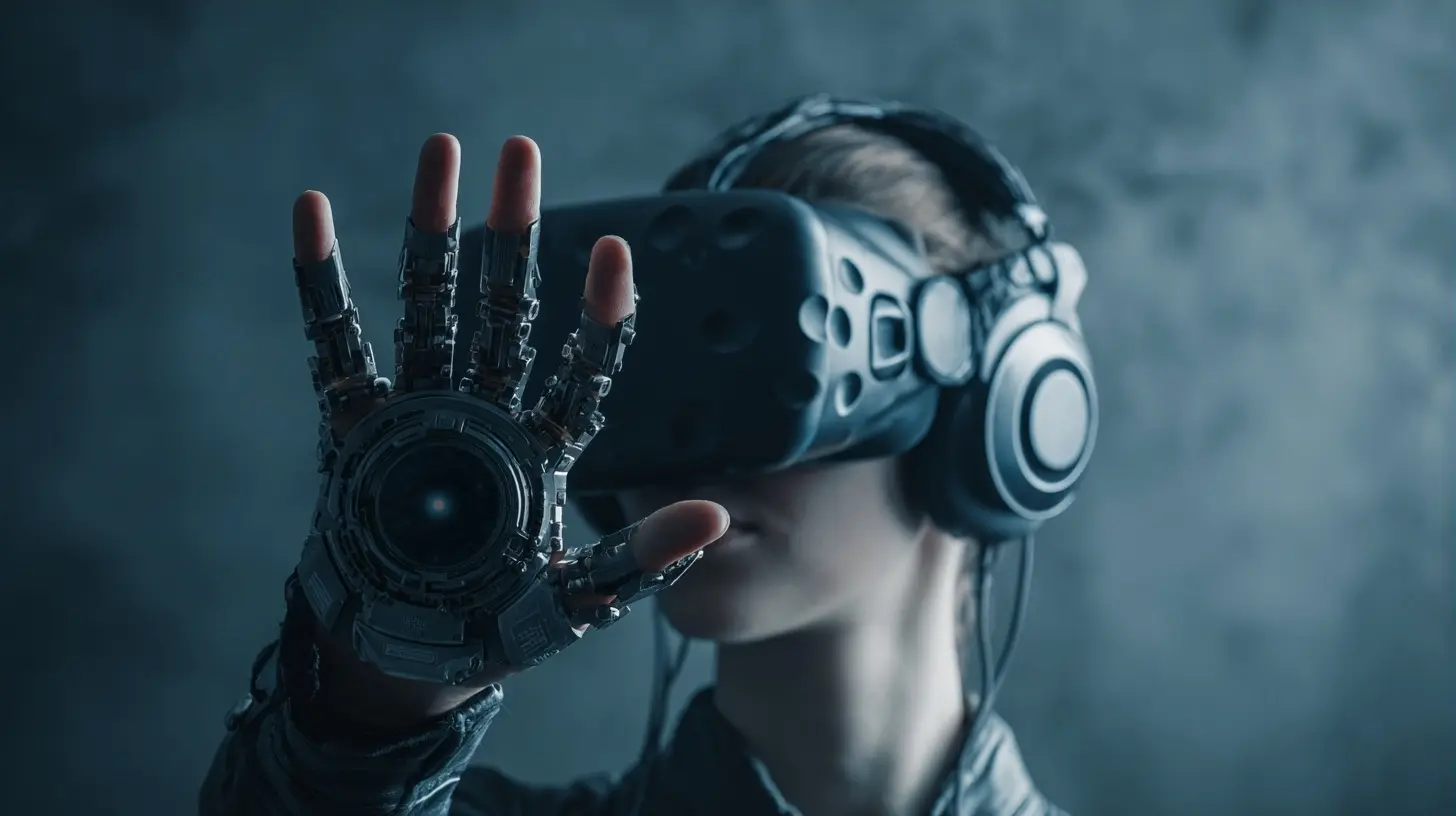
Personal AI hardware that actually earns its place
The first wave of AI gadgets was embarrassing. Humane's pin and the Rabbit R1 both promised to replace your phone and both fell flat. The mistake was not the idea. It was the execution. They tried to do too much, relied on cloud models that were slow, and solved problems that were not painful enough.The second wave looks different. Instead of trying to replace your phone, these devices do one or two things extremely well.
Wearable recorders with real utility
A small clip-on device that records conversations, transcribes them locally, and surfaces action items is not a fantasy. The technology exists. The challenge is battery life, accuracy in noisy environments, and the social awkwardness of wearing a recorder. The companies making progress here are the ones that focus on a specific user. Journalists. Doctors. Salespeople who live in back-to-back meetings.For a general consumer, the value is less clear. Do you really need a dedicated device when your phone can do much of this? Maybe not. But for professionals whose income depends on remembering what was said, a dedicated device that never runs out of battery and never interrupts a conversation is worth carrying.
The trade-off no one talks about
The uncomfortable truth about always-on recording is that it changes how people behave around you. Some will clam up. Others will perform. That is a social cost, not a technical one, and no amount of good engineering solves it. If you adopt this category, be upfront about it. Ask for consent. The people who succeed with these devices are the ones who treat them as a tool for transparency, not surveillance.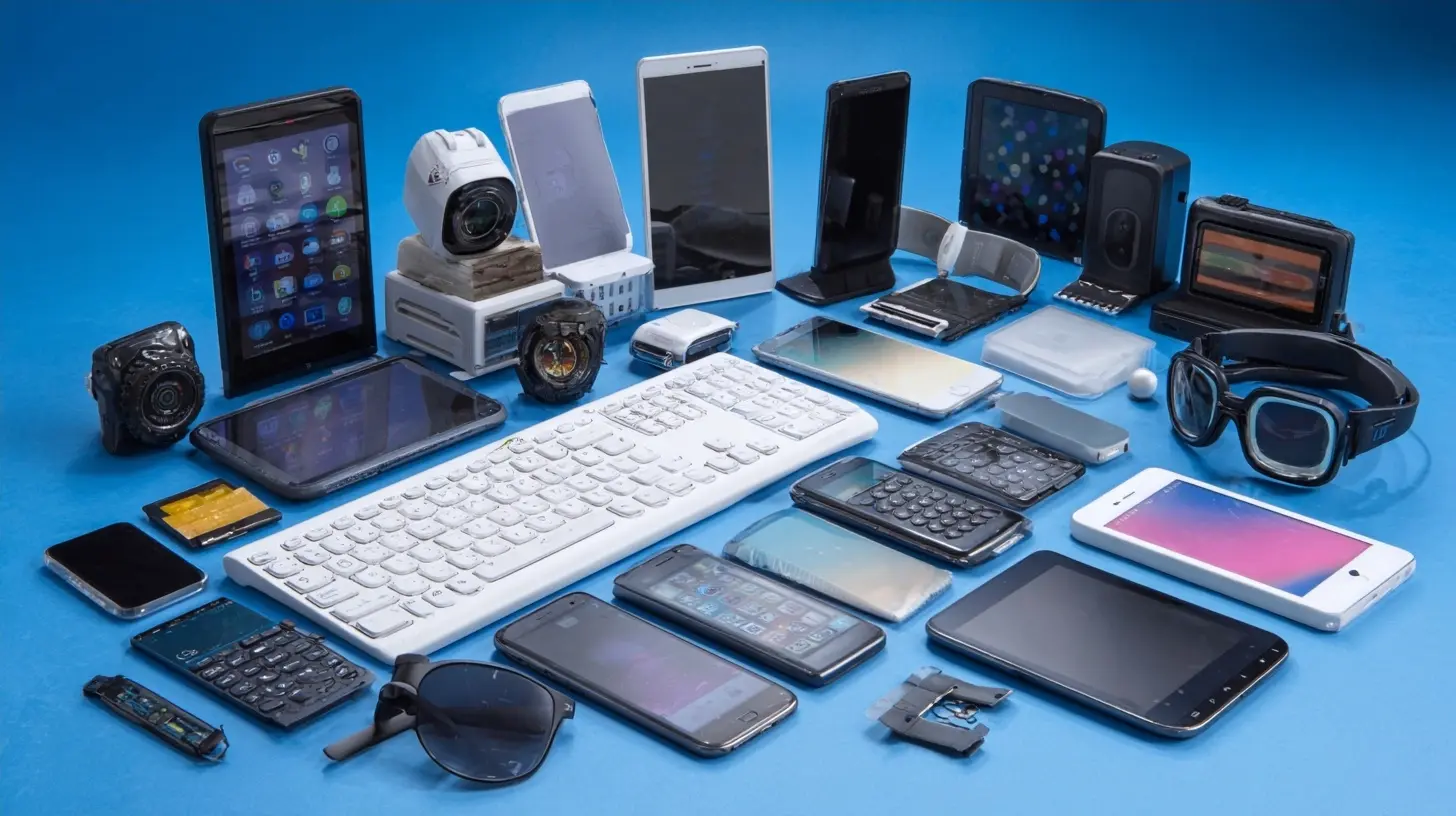
Health sensors that move beyond step counting
Wearables have been stuck for a while. Heart rate, steps, sleep. Useful, but not transformative. The next step is continuous monitoring of things that currently require a blood draw or a clinic visit.Non-invasive glucose monitoring
This is the holy grail of wearable health. Several companies have been working on it for years, and while no consumer product has fully cracked it, the progress is real. The appeal is obvious: millions of people with diabetes prick their fingers multiple times a day. A wearable that tracks glucose continuously without breaking the skin would change their lives.The caveat is accuracy. Regulatory bodies hold medical devices to high standards for good reason. A reading that is off by 20 percent can lead to a dangerous insulin decision. So expect the first consumer products in this space to be positioned as wellness tools, not medical devices, with clear disclaimers. That is not a reason to dismiss them. It is a reason to read the fine print.
Blood pressure and hydration
Similar dynamics apply to cuffless blood pressure and hydration sensing. The technology is promising. The validation is ongoing. If you are considering any of these, ask three questions: Has the company published peer-reviewed accuracy data? Is the device cleared by a regulator for the specific claim it makes? And does it work across different skin tones and body types? A sensor that works well on one demographic and poorly on another is not ready.Audio and visual tools for creators
The creator economy has spawned a wave of gear aimed at people who make things alone. Much of it is cheap and forgettable. But a few categories are quietly getting very good.Wireless microphones that just work
If you have ever tried to record an interview with a phone, you know the pain. Wind noise, clipping, sync issues. A new generation of compact wireless mics has solved most of this. They pair instantly, record locally as a backup, and sound good enough for professional use. The best ones are small enough to clip to a collar and last through a full day of shooting.The reason this matters beyond creators is that everyone is now a publisher. A teacher recording a lesson, a realtor walking through a house, a podcaster interviewing a guest. Good audio is the difference between something people finish and something they abandon in ten seconds.
Pocket-sized cameras with computational tricks
Dedicated cameras have been losing ground to phones for years. But a new class of small cameras is finding an audience by doing things phones cannot. Better low-light performance. Interchangeable lenses. Physical controls that do not require looking at a screen. These are not for everyone. They are for people who have hit the limits of phone photography and want more without carrying a full kit.The trade-off is convenience. A phone is always with you. A dedicated camera is not. If you buy one, be honest about whether you will actually carry it. Many people do not, and the camera ends up in a drawer.
Energy and power gadgets for the home
Electricity prices have made people pay attention to how much power their homes use. That has created demand for gadgets that measure, manage, and reduce consumption.Smart panels and circuit-level monitoring
A device that clamps onto your electrical panel and reports usage per circuit is no longer exotic. It can tell you which appliances are costing you the most and when. The insight is often surprising. An old fridge or a failing AC unit can quietly add hundreds to your annual bill.The value depends on what you do with the data. If you just look at it once and never change anything, you have wasted your money. If you use it to replace an inefficient appliance or shift usage to off-peak hours, it pays for itself.
Home batteries that are not just for backup
Battery storage used to be a luxury for people with solar panels. It is becoming more accessible, and the use case is broadening. Some utilities now pay customers to draw from their batteries during peak demand, which turns a backup system into an income stream. The economics vary widely by region, so run the numbers for your area before buying. In some places it is a clear win. In others, it is a decade-long payback.The overlooked category: repair and maintenance tools
One of the quietest trends in tech is the right-to-repair movement. As more people keep devices longer, there is growing demand for tools that help them diagnose and fix problems themselves.Diagnostic dongles and apps
A small dongle that plugs into a car, appliance, or computer and reports what is wrong can save a service call. For cars, this is already common. For appliances and consumer electronics, it is less so, but the tools exist. The barrier is often software, not hardware. Manufacturers have little incentive to make repair easy.If you are handy, these tools are worth owning. If you are not, they can still help you avoid getting ripped off. Knowing that a repair should cost 80 dollars rather than 400 changes the conversation.
How to tell which of these will actually stick
Not every promising category becomes mainstream. Here is a simple framework for evaluating any emerging gadget.Does it solve a problem you already have?
The best gadgets do not create new needs. They solve existing ones better, cheaper, or more conveniently. If you have to be convinced you need it, you probably do not.Does it work without an internet connection?
Cloud-dependent devices are fragile. Companies shut down. Servers go offline. A device that works locally is more likely to still be useful in five years.Is the company built to last?
Many hardware startups fail. Before buying, check whether the company has shipped previous products, whether it has a clear business model, and whether it has a track record of supporting older devices with updates. A great product from a company that disappears in a year is a bad purchase.What is the total cost of ownership?
The purchase price is only part of it. Subscriptions, replacement parts, and accessories add up. A cheap device with a mandatory subscription can cost more than an expensive one without.Common mistakes to avoid
Even smart buyers get tripped up. Here are the ones I see most often.Buying version one of anything. The first generation of a new category is almost always flawed. Waiting for version two or three usually pays off.
Ignoring the ecosystem. A device that does not work with what you already own is a hassle, no matter how good it is on its own.
Overestimating your own discipline. Many health and productivity gadgets require consistent use to deliver value. If you know you will not keep up with it, do not buy it.
Confusing novelty with utility. A gadget that is fun for a week is not the same as one that is useful for a year. Be honest about which one you are buying.
What to do with this information
You do not need to buy anything today. The point of watching emerging categories is to understand where things are heading so that when you do need to buy, you make a better decision. The gadgets that will be huge in 2026 are being built right now by small teams solving specific problems. Some will fail. Some will be acquired and shelved. A few will become the products everyone takes for granted a decade from now.Pay attention to the ones that solve real problems, work without the cloud, and come from companies with a track record. Ignore the ones that rely on hype and subscriptions. And remember that the best time to adopt a new category is usually not when it is loudest, but when it has quietly gotten good enough to trust.
all images in this post were generated using AI tools
Category:
Technology ReviewsAuthor:

Adeline Taylor
Discussion
rate this article
2 comments
Tabitha Chapman
If you're not paying attention to these under-the-radar gadgets, you're missing out. Innovation is happening fast, and these hidden gems will redefine what we expect from technology in just a few years.
September 24, 2026 at 12:36 PM
Marcus Edwards
Exciting picks! Can't wait to see which gadget takes off.
September 21, 2026 at 11:20 AM