Could This Visitor From Another Star System Be Alien Technology? SETI Investigates
June 28, 2026 - 07:25
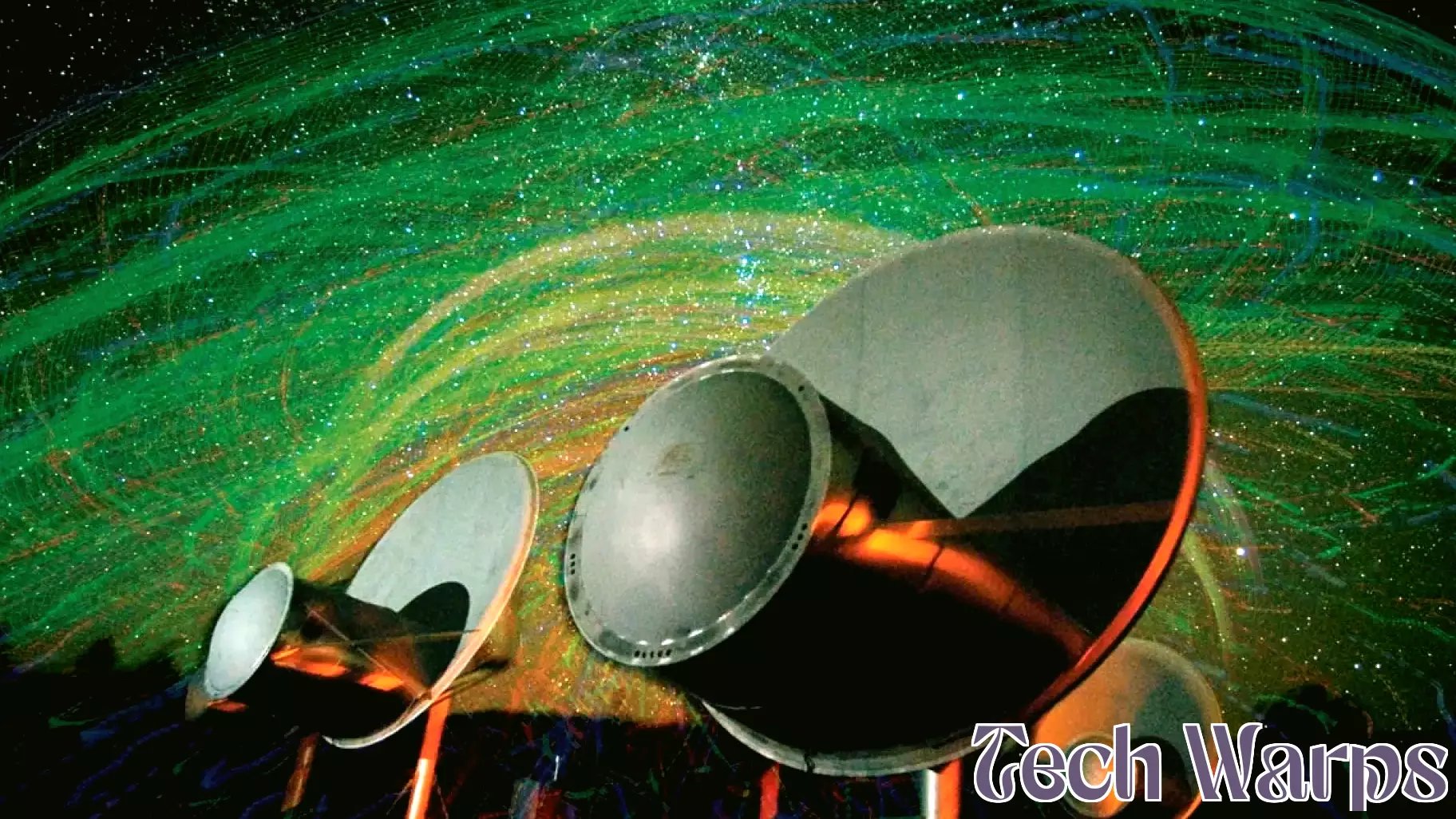
Earlier this year, a strange object from deep space zipped through our solar system, sparking intense curiosity among astronomers. The interstellar visitor, detected by telescopes as it passed close to Earth, prompted the SETI Institute to turn its antennas toward the sky in search of signs of alien technology. For a brief moment, the possibility that this was not just a rock but a piece of engineered hardware from another civilization seemed real.
SETI, the Search for Extraterrestrial Intelligence, typically listens for radio signals from distant stars. But this object was different. It moved on a trajectory that could not have originated within our solar system, marking it as only the second confirmed interstellar object ever seen. The first, known as Oumuamua, also raised eyebrows due to its unusual shape and acceleration. This new visitor, named Comet Borisov, appeared more conventional at first glance, yet its origin alone made it worth a closer look.
Researchers scanned the comet for any artificial radio transmissions or unusual light patterns. They found nothing out of the ordinary. After weeks of observation, the scientific consensus settled on a natural explanation. The object is almost certainly a comet, a ball of ice and dust ejected from another star system billions of years ago. Its behavior, including a faint tail of gas and debris, matches what we expect from a natural body.
While the search for alien technology came up empty this time, the episode highlights how quickly our tools can respond to unexpected visitors. Each new interstellar object gives scientists a chance to refine their methods. For now, the cosmos remains quiet, but the hunt continues.
MORE NEWS
November 10, 2026 - 03:37
Update on Collaboration Between Micromem Technologies and University of TorontoMicromem Technologies has successfully fulfilled its financial obligations outlined in the collaboration agreement with the University of Toronto and Defence Research and Development Canada. This...

November 9, 2026 - 06:05
Transforming Healthcare: The Impact of Constraint-Driven InnovationIn recent years, constraint-driven innovation has emerged as a powerful force in reshaping healthcare delivery worldwide. This approach focuses on overcoming limitations to create impactful medical...
November 8, 2026 - 21:27
Arizona Hearing Centers Introduce Innovative Technology for Tinnitus TreatmentWith over 50 million Americans dealing with tinnitus, local hearing clinics in Mesa and Scottsdale are stepping up by implementing advanced frequency mapping technology. This innovative approach...
November 8, 2026 - 12:16
Hudson Technologies Faces Fair Value Adjustment After Q3 UpdateHudson Technologies has recently experienced a reduction in its Fair Value estimate, which has dropped to US$5.75 from the previous US$7.31. This adjustment reflects a more cautious outlook from...