Debate over impairment detection technology to stop drunk or impaired drivers
May 15, 2026 - 07:31
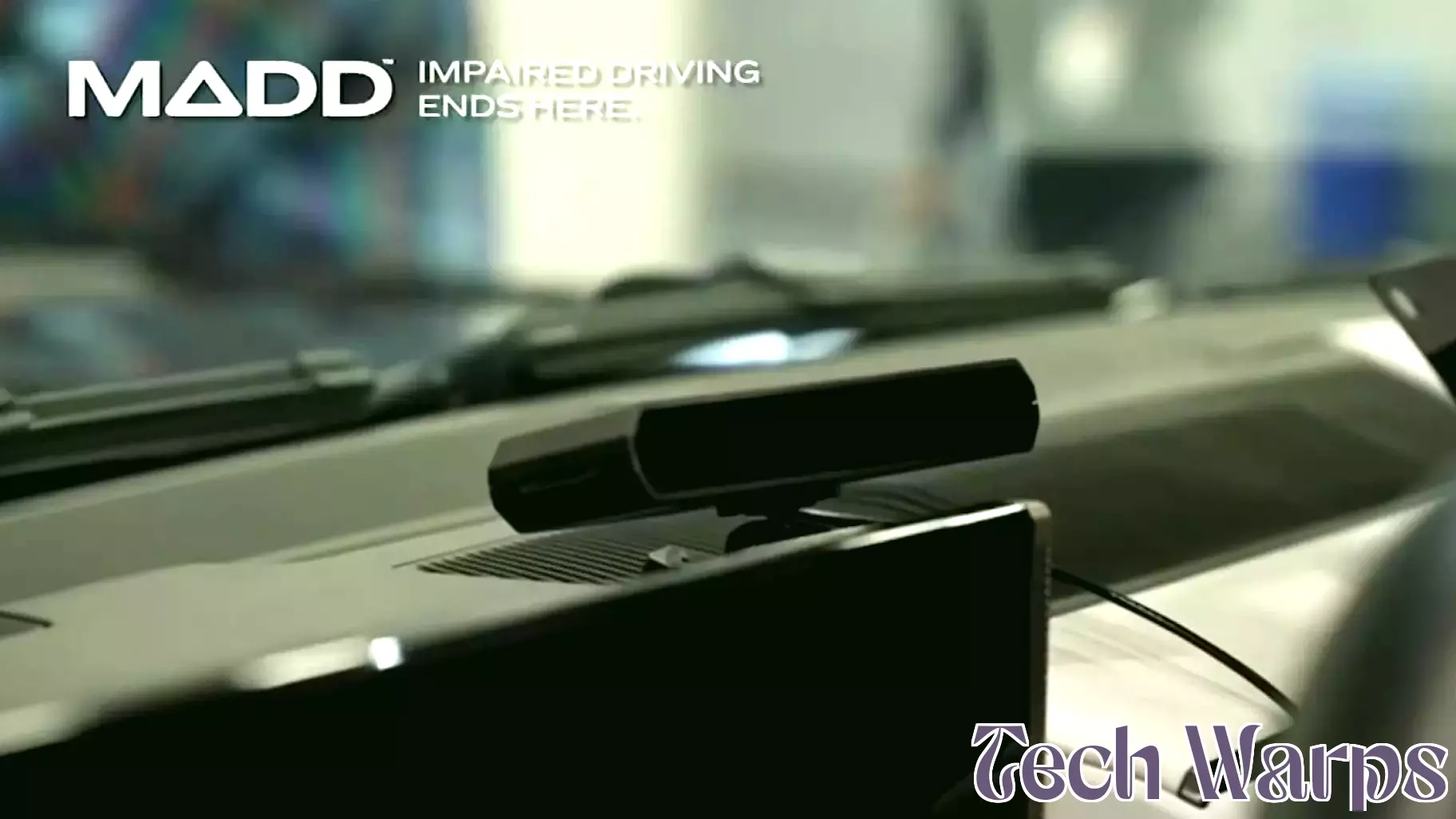
A proposed federal mandate requiring all new cars to include impairment detection systems is sparking heated discussion among safety advocates, privacy watchdogs, and automakers. The technology, which would automatically prevent a vehicle from moving if the driver is over the legal alcohol limit or otherwise impaired, is seen by many as a potential lifesaver. However, critics argue that the systems are not yet reliable enough and raise serious questions about personal privacy and data security.
The push comes from a provision in the federal infrastructure law, which directs the National Highway Traffic Safety Administration to develop standards for such technology. The goal is ambitious: to eliminate the roughly 10,000 alcohol-related driving deaths that occur each year in the United States. Proponents point to passive sensors that can measure blood alcohol content through the air in the cabin or through touch-based steering wheel sensors. They argue that these methods are less intrusive than a breathalyzer and could save thousands of lives without requiring any action from the driver.
Opponents, however, warn that the technology is not foolproof. False positives could strand sober drivers, while sophisticated drunk drivers might find ways to bypass the system. There are also concerns about who has access to the data collected by these sensors. Could insurance companies use it to raise rates? Could law enforcement access it without a warrant? These questions remain largely unanswered.
Automakers have expressed caution, noting that the technology is still in development and that rushing it to market could lead to costly recalls and consumer backlash. They also point to the challenge of detecting impairment from drugs other than alcohol, which is far more complex. As the debate continues, the clock is ticking. The federal timeline calls for a final rule by late 2024, with automakers given several years to comply. For now, the question is not whether this technology will arrive, but how ready we are for it.
MORE NEWS
October 21, 2026 - 03:17
Minnesota Tech Leaders Have One Week Left to Sign Up for Minneapolis SummitTechnology executives in Minnesota have one week left to register for the 12th Annual Minneapolis C-Level Technology Leadership Summit. The event, organized by HMG Strategy, is set to bring...

October 20, 2026 - 03:38
Surgical Adhesive Offers Alternative to Traditional StitchesA new medical adhesive developed by researchers with ties to MIT could change how surgeons close wounds and repair tissue. The material, created by a company founded by MIT alumnus Hyunwoo Yuk, is...

October 19, 2026 - 22:49
Transit Technology, Innovation, and Building Trust in Public AgenciesThe evolution of transit technology has changed how public agencies operate, according to ETA founder and CEO John Maglio. In a discussion on the subject, Maglio examined the path that transit...
October 19, 2026 - 04:34
China Tightens Solar Export Rules for 2026, Raising Supply and Price ConcernsChina plans to restrict exports of 12 solar manufacturing technologies starting in 2026, a move that could reshape global supply chains and push panel prices higher. The measures target advanced...