Former NSF Director Seeks to Enhance Accessibility in Science and Technology at ASU
November 10, 2025 - 21:01
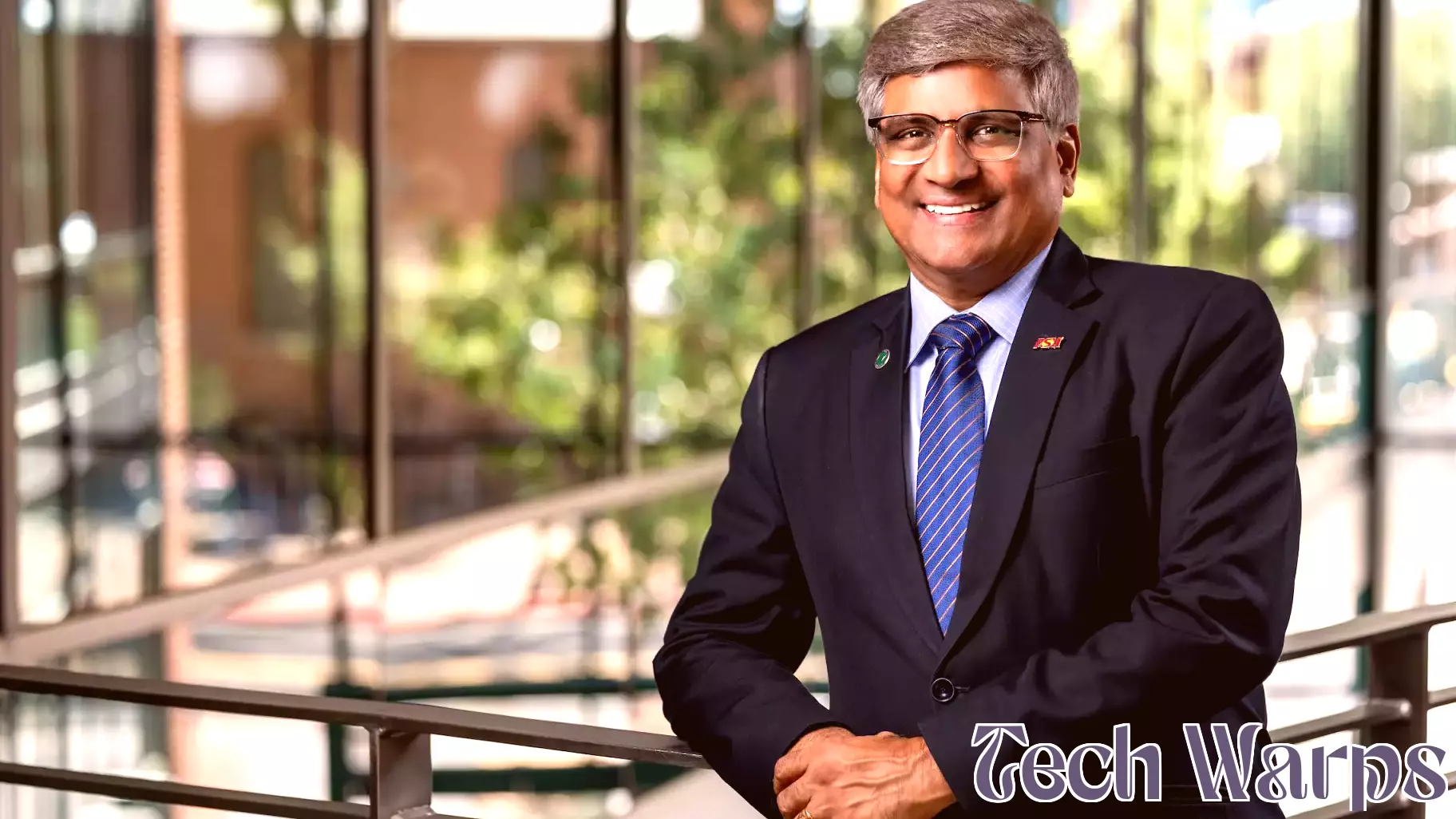
From his third-floor office at Arizona State University, floor-length windows provide Sethuraman Panchanathan with a breathtaking view of the expansive Tempe campus. This picturesque setting is familiar to Panchanathan, who serves as a Professor of Technology and Innovation and previously held the position of director at the National Science Foundation.
In his return to ASU, Panchanathan is focused on making science and technology more accessible to a broader audience. He believes that fostering inclusivity in these fields is crucial for innovation and progress. By leveraging his extensive experience and leadership, Panchanathan aims to create initiatives that break down barriers and encourage participation from diverse communities.
His commitment to accessibility reflects a growing recognition of the importance of inclusivity in STEM education and careers. As he embarks on this new chapter at ASU, Panchanathan is poised to inspire the next generation of scientists and technologists, ensuring that opportunities are available to all.
MORE NEWS

October 21, 2026 - 03:17
Minnesota Tech Leaders Have One Week Left to Sign Up for Minneapolis SummitTechnology executives in Minnesota have one week left to register for the 12th Annual Minneapolis C-Level Technology Leadership Summit. The event, organized by HMG Strategy, is set to bring...
October 20, 2026 - 03:38
Surgical Adhesive Offers Alternative to Traditional StitchesA new medical adhesive developed by researchers with ties to MIT could change how surgeons close wounds and repair tissue. The material, created by a company founded by MIT alumnus Hyunwoo Yuk, is...

October 19, 2026 - 22:49
Transit Technology, Innovation, and Building Trust in Public AgenciesThe evolution of transit technology has changed how public agencies operate, according to ETA founder and CEO John Maglio. In a discussion on the subject, Maglio examined the path that transit...

October 19, 2026 - 04:34
China Tightens Solar Export Rules for 2026, Raising Supply and Price ConcernsChina plans to restrict exports of 12 solar manufacturing technologies starting in 2026, a move that could reshape global supply chains and push panel prices higher. The measures target advanced...