The Future of Real-Time Air Exposomics With Matt Lewis
July 6, 2026 - 05:26
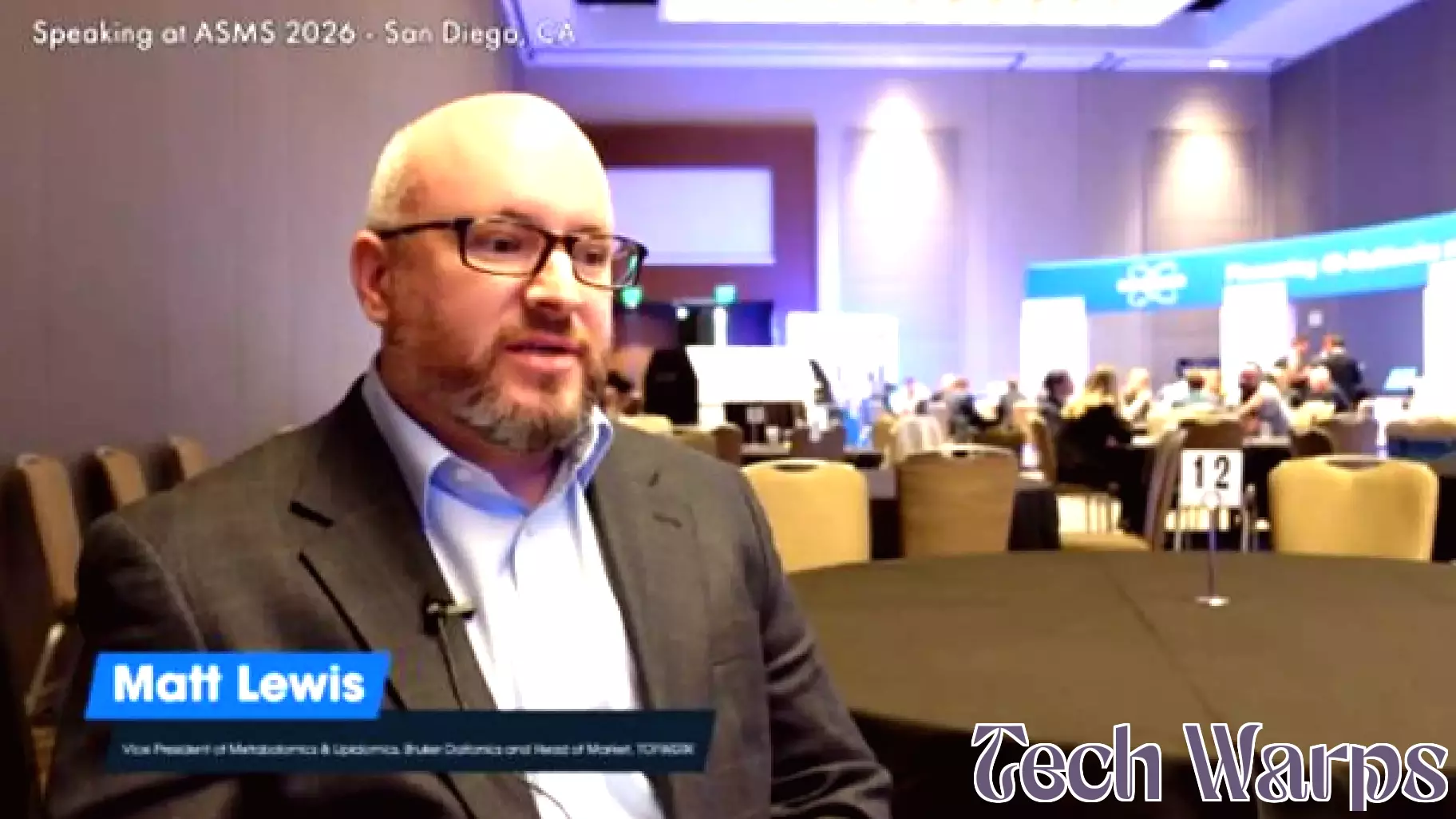
In a recent interview, environmental chemist Matt Lewis outlined a significant shift in how scientists track airborne pollutants. Rather than relying on a single method, Lewis argues that combining complementary ionization techniques can dramatically improve the detection of complex, trace-level contaminants and metals floating in the air we breathe.
Traditional air monitoring often struggles to capture the full chemical picture. Many pollutants exist at extremely low concentrations, and standard instruments may miss volatile organic compounds or metallic particles that pose health risks. Lewis explains that by pairing different ionization sources--such as those that work well for small molecules with those better suited for larger, heavier compounds--researchers can create a more complete "exposomic" profile. This means they can identify not just what is in the air, but how different chemicals interact in real time.
The practical implications are broad. For industrial hygiene, this approach could allow workers to be alerted to hazardous metal fumes within seconds. For urban air quality studies, it offers a way to track the rapid chemical transformations that happen when vehicle exhaust mixes with sunlight. Lewis emphasizes that the goal is not to replace existing monitors but to layer new capabilities onto them, making real-time air exposomics a practical tool rather than a lab-only concept. As sensor technology shrinks in size and cost, this dual-ionization method may soon become standard in environmental monitoring stations worldwide.
MORE NEWS
October 21, 2026 - 03:17
Minnesota Tech Leaders Have One Week Left to Sign Up for Minneapolis SummitTechnology executives in Minnesota have one week left to register for the 12th Annual Minneapolis C-Level Technology Leadership Summit. The event, organized by HMG Strategy, is set to bring...
October 20, 2026 - 03:38
Surgical Adhesive Offers Alternative to Traditional StitchesA new medical adhesive developed by researchers with ties to MIT could change how surgeons close wounds and repair tissue. The material, created by a company founded by MIT alumnus Hyunwoo Yuk, is...

October 19, 2026 - 22:49
Transit Technology, Innovation, and Building Trust in Public AgenciesThe evolution of transit technology has changed how public agencies operate, according to ETA founder and CEO John Maglio. In a discussion on the subject, Maglio examined the path that transit...
October 19, 2026 - 04:34
China Tightens Solar Export Rules for 2026, Raising Supply and Price ConcernsChina plans to restrict exports of 12 solar manufacturing technologies starting in 2026, a move that could reshape global supply chains and push panel prices higher. The measures target advanced...