The Unpredictable March of Progress: What History Reveals About AI's Economic Impact
March 1, 2026 - 19:36
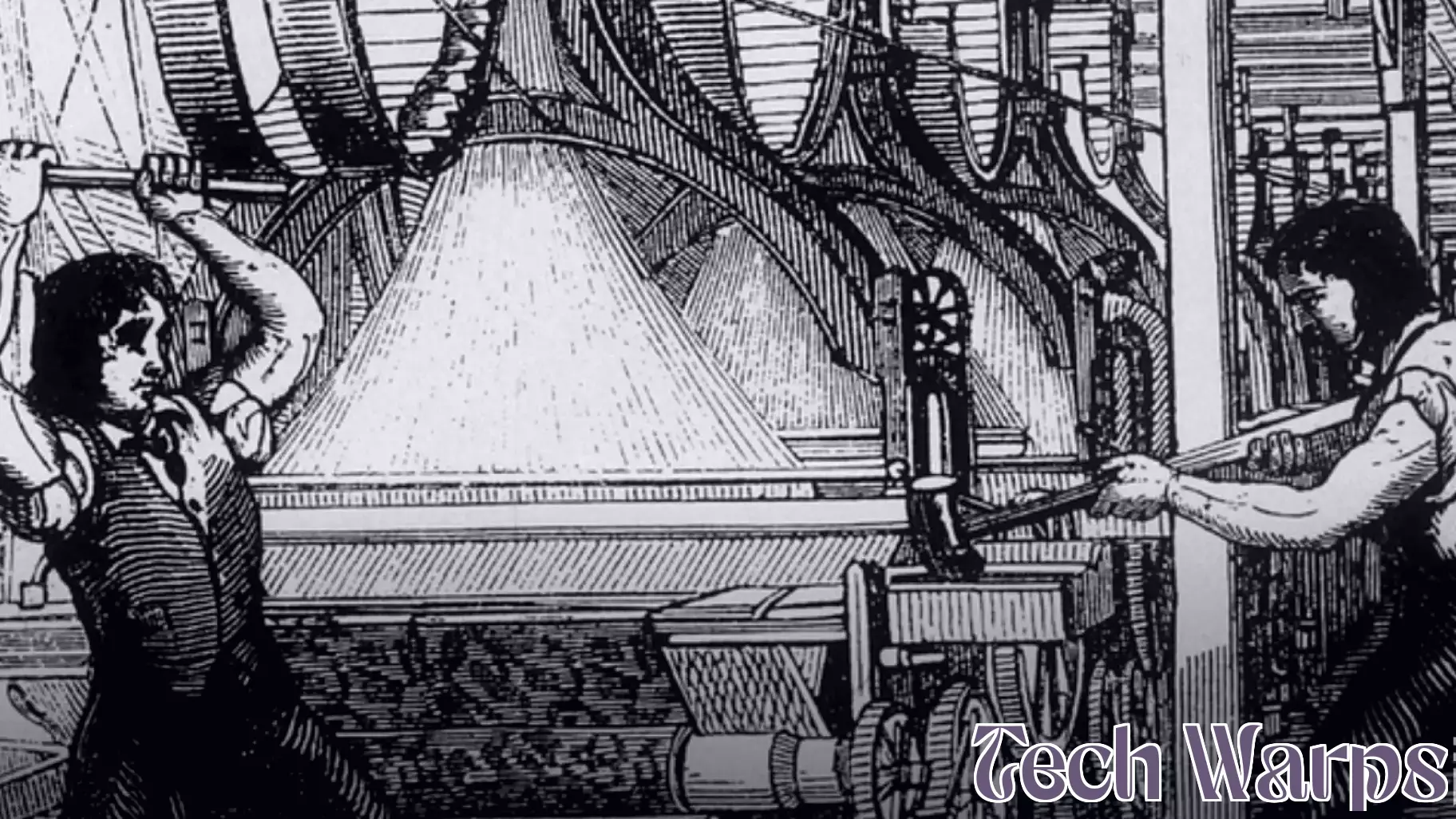
The rapid ascent of artificial intelligence has ignited a fierce debate about its ultimate effect on jobs, growth, and societal structure. To navigate this uncertainty, economists and historians are looking to the past, examining previous waves of technological change for clues. While history offers essential context, it also delivers a sobering reminder: the economic journey of transformative inventions is rarely smooth or predictable.
Historical models, like those examining the Industrial Revolution or the rise of computers, show a consistent long-term pattern of increased productivity and new job creation. However, they equally highlight painful, disruptive transition periods marked by worker displacement, wage stagnation, and social unrest. The mechanization of weaving didn't just change factories; it unraveled communities. This suggests that AI's economic benefits, though likely substantial in the aggregate, will not be automatic or evenly distributed.
Crucially, history underscores what economic models cannot capture. While models can project productivity gains, they struggle to quantify human anxiety, political backlash, or the time required for new institutions and skills to develop. The critical lesson from the past is that technology itself does not dictate the outcome; the accompanying policies, educational reforms, and social support systems do. The economic story of AI will be written not just by its developers, but by our collective choices in managing its integration into the fabric of daily life and work. The challenge lies in shortening the painful transition and ensuring the dividends of innovation are broadly shared.
MORE NEWS

October 21, 2026 - 03:17
Minnesota Tech Leaders Have One Week Left to Sign Up for Minneapolis SummitTechnology executives in Minnesota have one week left to register for the 12th Annual Minneapolis C-Level Technology Leadership Summit. The event, organized by HMG Strategy, is set to bring...

October 20, 2026 - 03:38
Surgical Adhesive Offers Alternative to Traditional StitchesA new medical adhesive developed by researchers with ties to MIT could change how surgeons close wounds and repair tissue. The material, created by a company founded by MIT alumnus Hyunwoo Yuk, is...

October 19, 2026 - 22:49
Transit Technology, Innovation, and Building Trust in Public AgenciesThe evolution of transit technology has changed how public agencies operate, according to ETA founder and CEO John Maglio. In a discussion on the subject, Maglio examined the path that transit...

October 19, 2026 - 04:34
China Tightens Solar Export Rules for 2026, Raising Supply and Price ConcernsChina plans to restrict exports of 12 solar manufacturing technologies starting in 2026, a move that could reshape global supply chains and push panel prices higher. The measures target advanced...